Updated big-board reshapes 2025-26 offseason prospect landscape
An updated big-board ranks every prospect traded in the 2025-26 offseason, identifying who is MLB-ready, who will open 2026 in Triple-A, and who offers long-term upside.
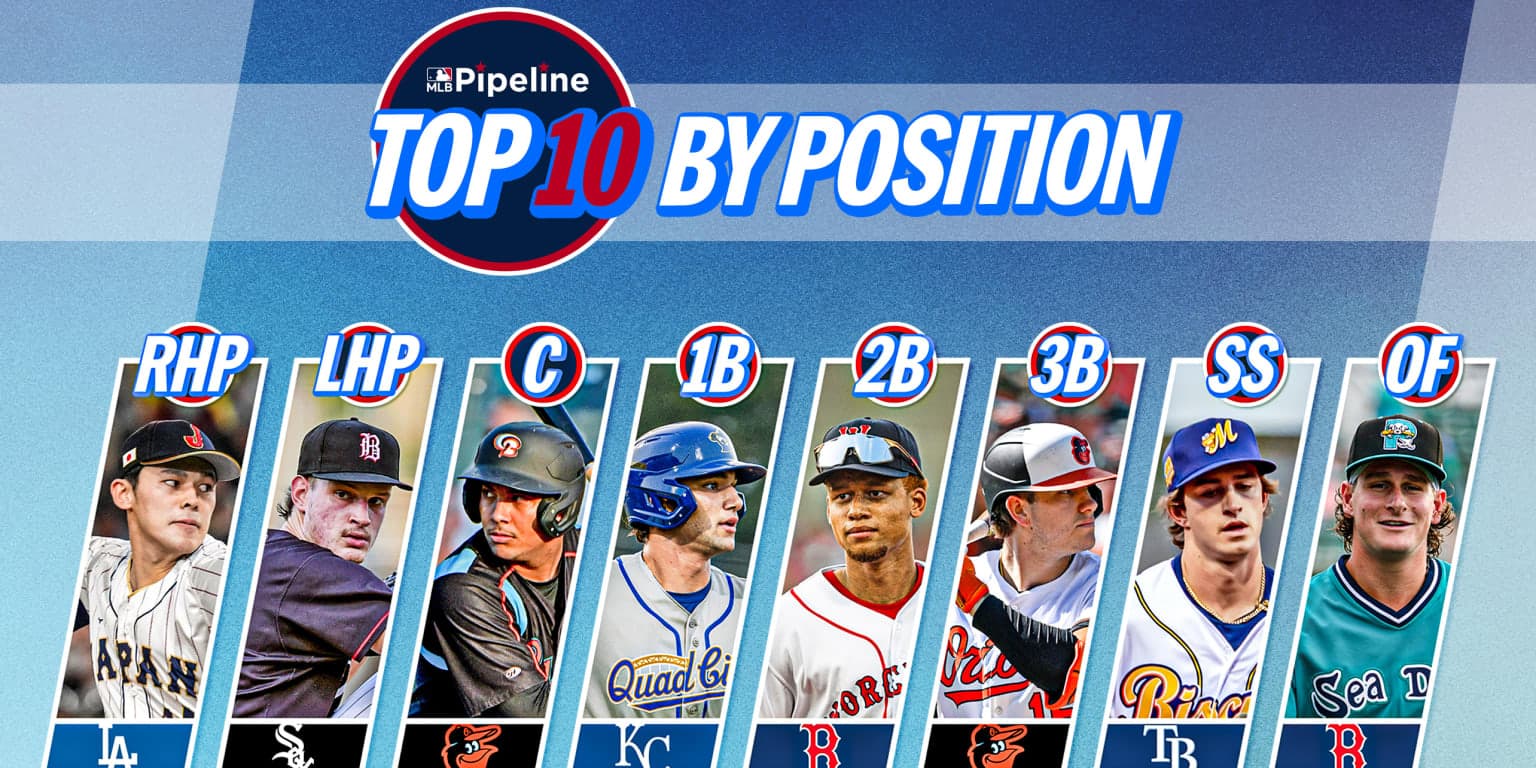
An updated big-board that ranks every prospect dealt during the 2025-26 offseason has reframed how front offices, fans and Triple-A watchers will evaluate the next wave of call-ups. The analysis covers more than 50 prospects, pairing scouting grades with context to separate those who are major-league ready from those likely to start 2026 at Triple-A and the handful who represent true long-term upside.
At the top level this is a performance triage. The grading helps set expectations: some prospects are close to MLB-ready and can be plug-and-play depth for clubs chasing immediate goals, while a larger group needs Triple-A innings to adjust to new organizations, refine pitch mixes, or add plate discipline. That split is important for roster construction; teams that acquired ready talent can immediately alter their depth charts, while organizations that took longer-term bets are signaling patience in their development timelines.
The volume of movement, over 50 prospects, highlights an offseason market still willing to trade young talent for short-term gain or to restock farm systems. For industry watchers this underscores a trend toward treating minor-league assets as highly fungible commodities: clubs are optimizing portfolios, balancing service-time considerations against competitive windows and payroll constraints. The updated rankings function as a marketplace check, offering a common language for how prospects are valued after relocation.
Culturally, the big-board matters because prospects drive narratives. Local fans who lost a top prospect in a trade will want to know whether their new player can step in fast, and fantasy- and prospect-centric communities will use the grades to recalibrate expectations and dynasty-league strategies. For Triple-A followers in particular, the report is a must-read: many traded prospects will spend at least part of 2026 at Triple-A as they acclimate, making higher-level minor-league parks the place to track future impact.
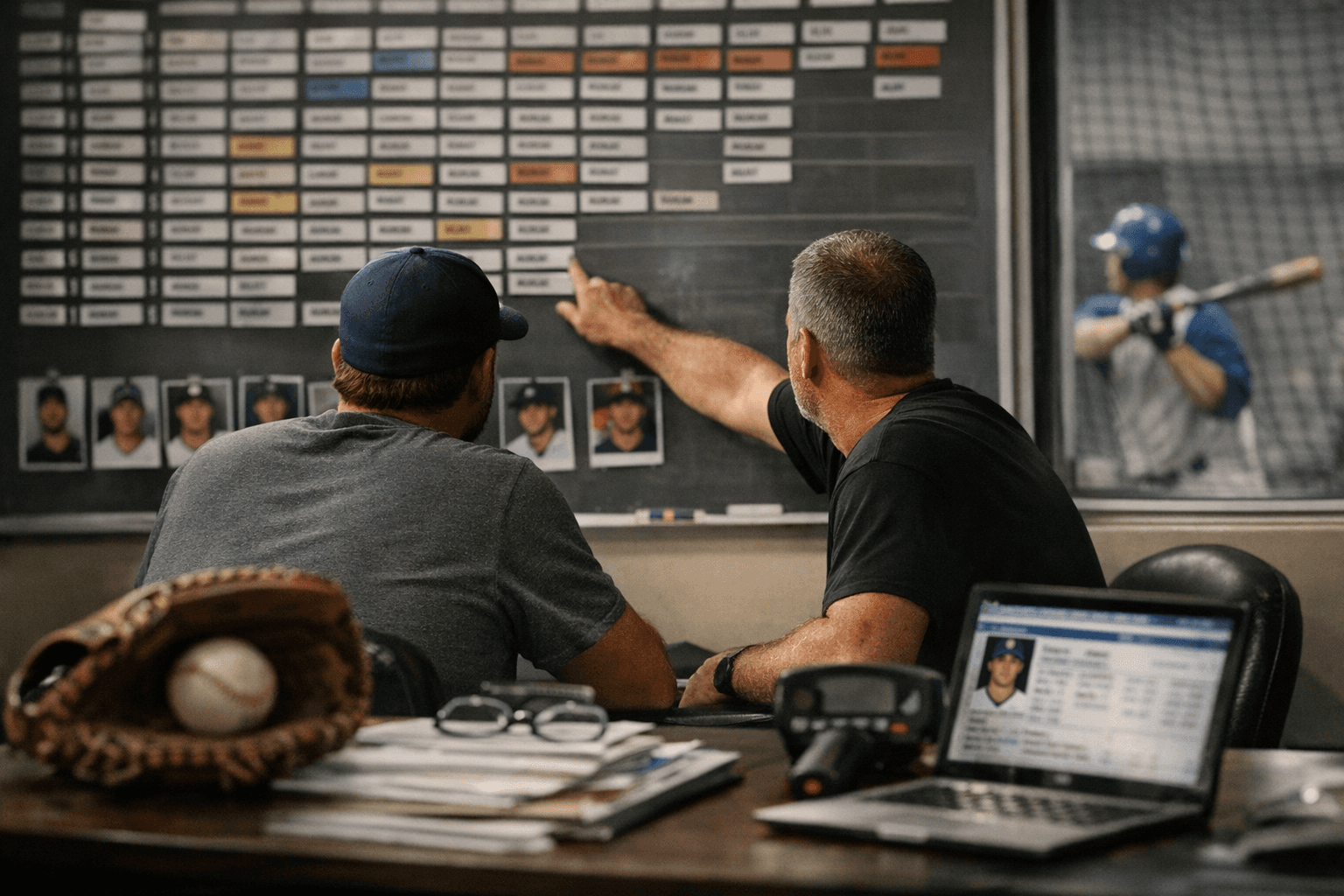
There are broader social implications as well. Increased player movement raises questions about stability for young athletes uprooted mid-development, and it spotlights the systems that shape opportunity in professional baseball. For teams and fans alike, the real test will come in spring training and early season call-ups, when scouting grades meet live performance.
For readers, the immediate takeaway is clear: start tracking Triple-A rosters and spring reports. The updated big-board has reset expectations, and the next months will reveal which prospects convert potential into major-league production and which need more seasoning before they can alter competitive windows.
This article was produced by Prism’s automated news system from verified source data, official records, and press releases, then run through automated quality and moderation checks before publishing. The system is built and supervised by the people who set the standards it runs under. Read our full AI policy.
Did this article answer your question?