AI-search optimization drives higher margins in white-label SEO growth
AI-search optimization is pushing white-label SEO toward higher-margin, more specialized packages. Agencies win when scopes, QA, and account controls keep delivery consistent enough to protect margin.
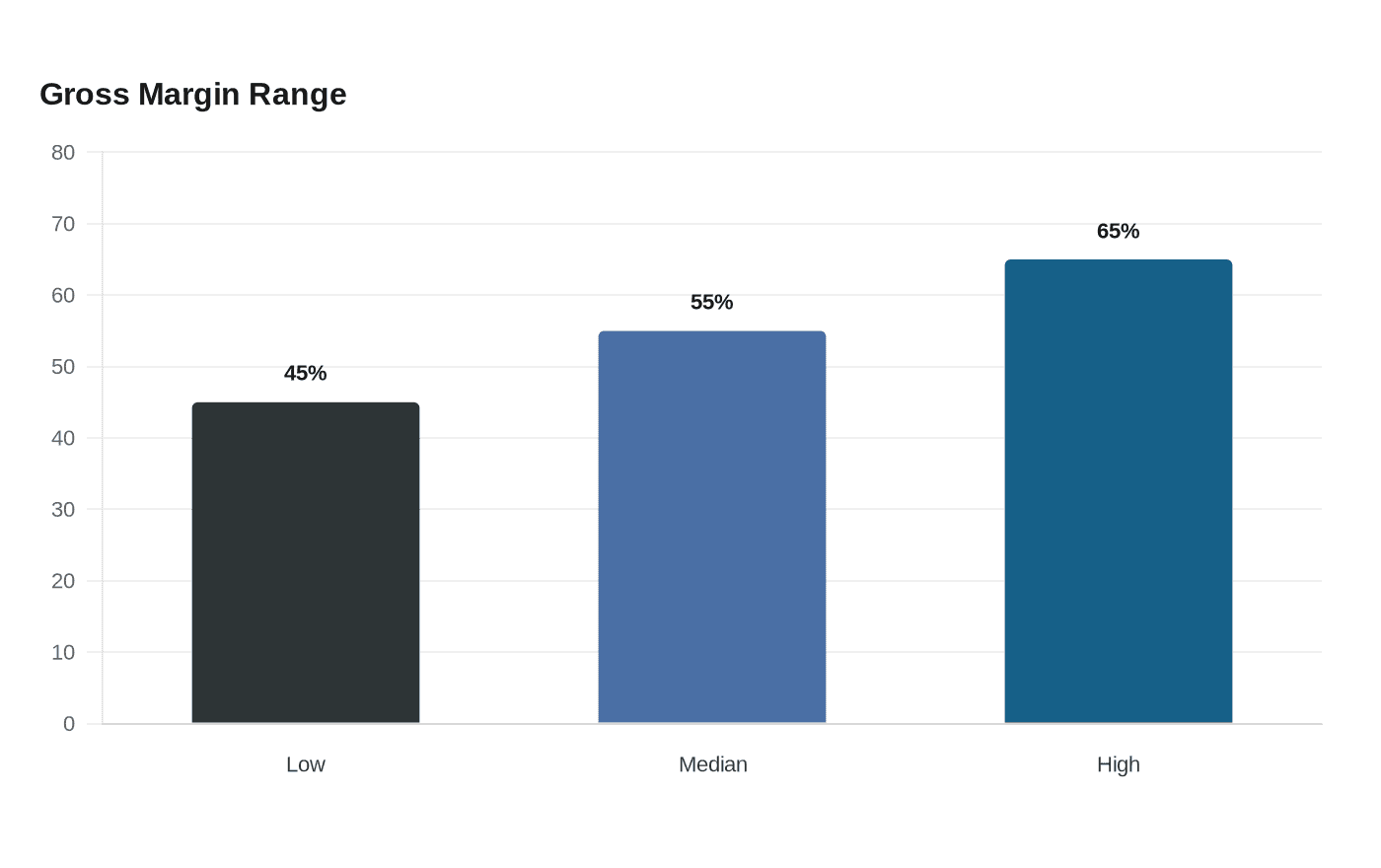
Nico Digital’s June 23, 2026 statistics deck puts hard numbers on the business: wholesale white-label SEO typically costs from $300 to more than $6,000 per month, agencies usually resell at 2x to 3x their buy rate, and gross margins land in the 45% to 65% range, with a median around 55%.
The economics now matter as much as the service mix
The pricing spread is wide enough to support a real margin, but only if scope is controlled and the agency does not let the work pile up into revisions, exceptions, or underpriced custom requests. Nico Digital’s deck also places the onshore premium in plain view: U.S. and U.K. providers price roughly 2.5x to 4x above offshore equivalents for comparable work.
It shapes how agencies choose a partner and how they position their own offer. Offshore fulfillment can preserve margin when the work is standardized, while onshore delivery can justify a higher sell price when clients care about communication speed, brand sensitivity, or closer strategic coordination.
AI-search optimization is changing what clients buy
Nico Digital’s deck identifies AI-search optimization as the fastest-growing client request, while supply from providers remains relatively thin. That combination makes the category less like commodity SEO and more like specialization, where agencies can charge more by bundling strategy, reporting, and AI-search visibility into one offer instead of selling isolated tactical tasks.
They are buying a result that has to show up across search experiences, and agencies that can connect classic SEO work to AI-search visibility will have more pricing room than those still pitching narrow execution blocks.
Margin is protected or lost in delivery controls
The white-label model only works when the agency can keep the work branded, consistent, and predictable enough to retain clients. That makes delivery controls the real margin lever. Clear scopes prevent creep, branded deliverables reduce confusion, and monitoring catches the problems that quietly eat gross profit before they show up in a churn report.
Revisions add labor that was never priced in. Delays create account friction and force extra client management. Low-quality fulfillment turns a healthy gross margin into a reputational problem because the agency still owns the client relationship even when a partner did the work.
Scope management is the first line of defense
The deck’s economics only hold when scope is tight enough to keep buy rates and sell rates aligned. Agencies that try to bundle too much custom work into a flat monthly package end up absorbing labor that should have been separately priced. A clean scope should distinguish between repeatable fulfillment and strategic extras, especially when AI-search optimization is part of the offer and the provider market is still thin.
A practical structure looks like this:
- Define the base package around repeatable tasks with fixed outputs.
- Separate strategy, reporting, and AI-search visibility into clearly named deliverables.
- Put revision limits in writing so each round does not erase the margin from the original sell price.
- Treat custom requests as change orders, not silent add-ons.
Without it, the agency becomes a pass-through for labor costs and loses the ability to hold the 2x to 3x resale multiple in Nico Digital’s deck.
Partner selection has to match the promise being sold
White-label SEO is not one market. It is a mix of offshore, onshore, and specialized providers, each with different economics and delivery strengths. The 2.5x to 4x onshore premium means the agency cannot choose partners casually and still preserve margins. If the client is paying for premium communication, faster turnaround, or deeper strategic support, the partner has to deliver those attributes consistently.
The thin supply of AI-search optimization providers makes this even more sensitive. Agencies cannot simply shop for the lowest monthly rate and expect the same outcome. The more the offer depends on specialized visibility work, the more the partner choice affects both quality and sales price. That is where a premium partner can be justified, but only if the agency has a clear client use case that supports the higher cost.
QA and account management decide whether growth scales
Quality control is the hidden variable in the margin story. The model depends on keeping delivery consistent and predictable enough to retain clients. That means QA cannot be an afterthought bolted onto fulfillment after the work is done. It has to sit inside the operating model.
Account management matters for the same reason. When a client buys white-label SEO, they are really buying your ability to absorb partner complexity without exposing it. Strong account management translates the work into progress, keeps expectations aligned with the scope, and prevents minor delivery misses from becoming renewals lost.
This article was produced by Prism’s automated news system from verified source data, official records, and press releases, then run through automated quality and moderation checks before publishing. The system is built and supervised by the people who set the standards it runs under. Read our full AI policy.
Know something we missed? Have a correction or additional information?
Submit a Tip