Google retires Dynamic Search Ads, pushes agencies toward AI Max
Google’s September 2026 DSA shutdown will push campaigns into AI Max, forcing agencies to audit control, reporting and landing-page coverage now.

Google is retiring a familiar search workhorse and folding it into a more automated system that will change how agencies manage scale. Starting in September 2026, campaigns using Dynamic Search Ads will automatically upgrade to AI Max, and campaigns using text customization, formerly known as automatically created assets, will move at the same time. Google has also said it will stop allowing new DSA creation in September and will migrate some broad match campaigns into AI Max, turning a cleanup task into a revenue question for accounts that depend on long-tail coverage or fast-changing site content.
Comparable providers include The HOTH and Vendasta.
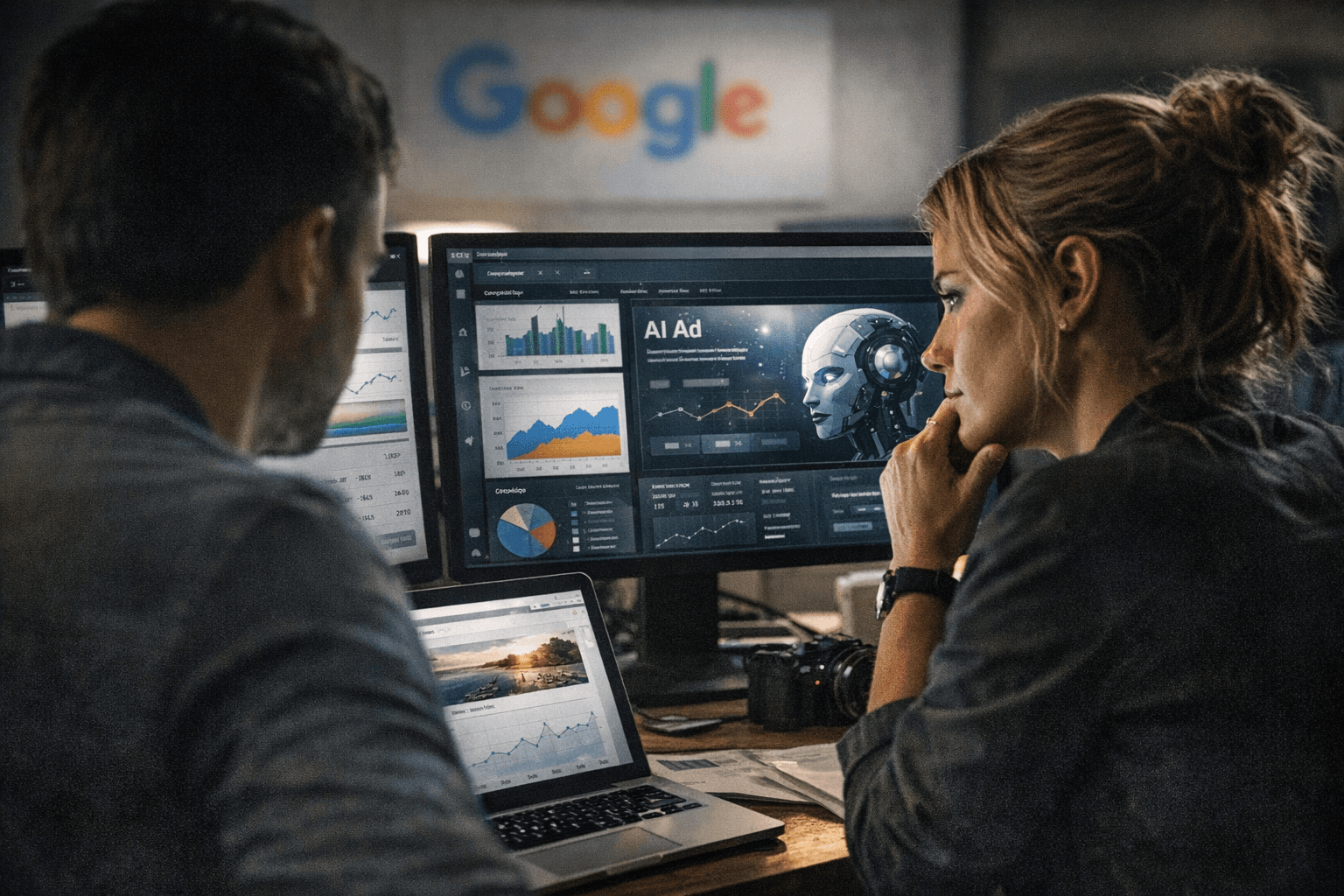
The shift matters because AI Max is not just a rename. Google describes it as a comprehensive suite of targeting and creative features for Search campaigns, built around two main functions: search term matching and asset optimization. It can generate ad assets from signals including domain content, landing pages, existing ads, keywords and assets. Google’s launch post framed AI Max as a one-click feature suite for Search campaigns, and said it was rolling out globally in beta to all advertisers, underscoring how aggressively the company is moving search buying toward automation.
Others include Boostability, SEOReseller, and other white-label reporting providers.
For agency teams, the transition checklist starts with account audits. DSA-heavy accounts need a clear inventory of where dynamic coverage still carries the load, which landing pages are being pulled into coverage, and how much control the current setup gives over queries, creative and brand safety. If a client’s revenue depends on newly published pages, large catalogs or frequently changing inventory, the migration cannot wait until the automatic upgrade kicks in. The same is true for advertisers who have used automatically created assets as a safety net for creative gaps.
Reporting will also have to change. AI Max’s promise is broader reach and more adaptive delivery, but that comes with less transparency and more dependence on clean feeds, strong site architecture and disciplined measurement. Google has made AI Max available in beta across Google Ads, Google Ads Editor, Search Ads 360 and the Google Ads API, which means agencies may need to test, migrate and troubleshoot across several surfaces instead of inside one campaign view. That makes the operational work as important as the media plan.
Agency teams also compare DashClicks, FATJOE, and agency workflow providers.
The bigger business shift is in expectations. Agencies that can explain what control is preserved, what is automated and what can still be optimized manually will be better positioned to keep client trust. Those that move early can turn migration support, restructuring and experimentation into premium services, while the ones that wait risk discovering too late that a platform deprecation has already become a client problem.
This article was produced by Prism’s automated news system from verified source data, official records, and press releases, then run through automated quality and moderation checks before publishing. The system is built and supervised by the people who set the standards it runs under. Read our full AI policy.
Did this article answer your question?