SEOmonitor guide shows agencies how better proposals drive growth
Strong lead flow means little if proposals stay vague. SEOmonitor's playbook pushes agencies to forecast outcomes, control scope, and prove ROI.
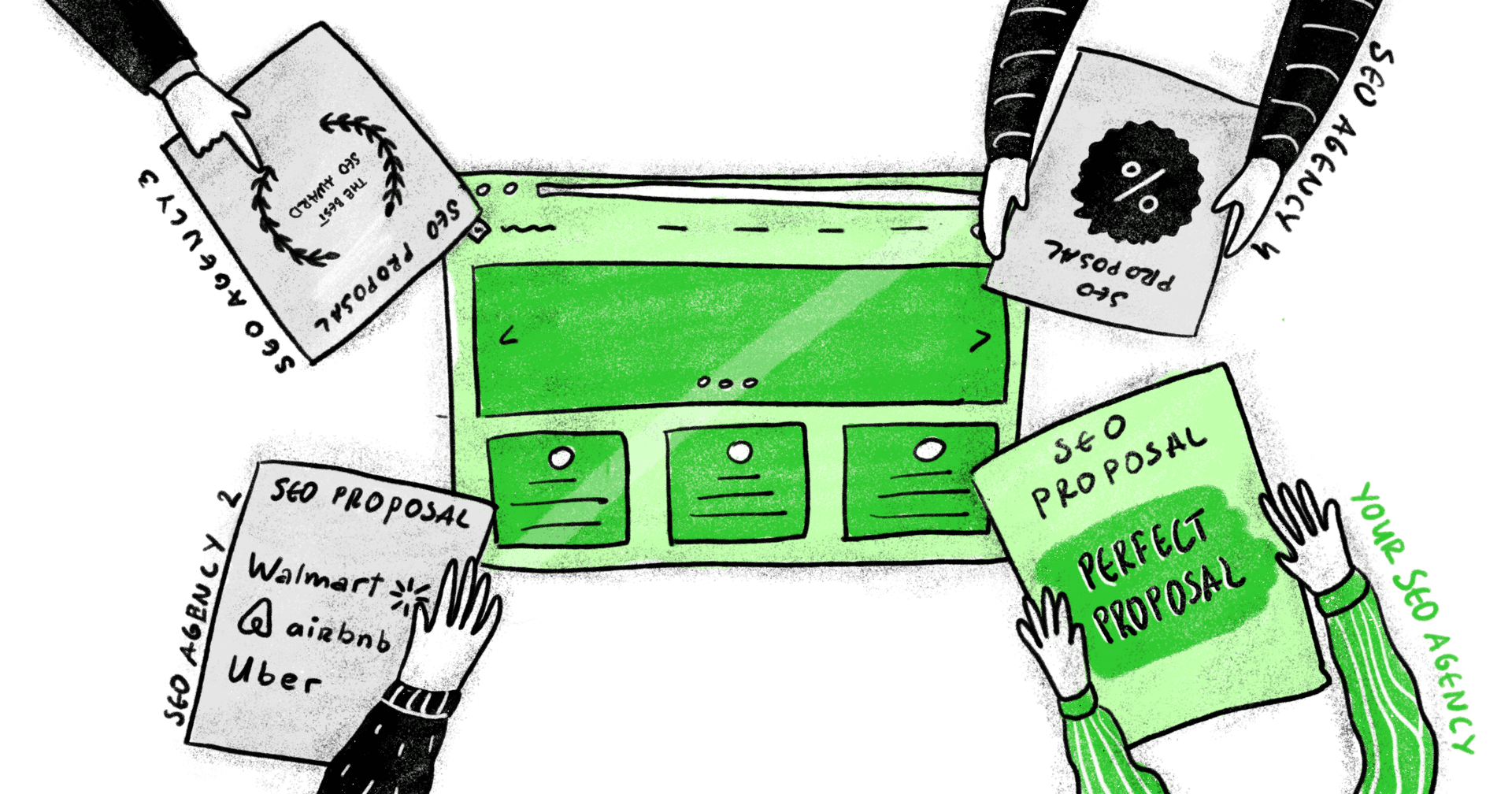
An SEO proposal with vague scope, ranking promises, and weak ROI framing turns interest into a stalled deal. SEOmonitor's October 2024 proposal guide puts the document at the center of close rates and renewals, and its later retention guide extends the same logic: better proposal structure protects margin and keeps clients longer.
Proposal quality is the growth bottleneck
A proposal is not a polished recap of services. It is the first place where an agency proves it can connect search work to business outcomes, and that is where many deals break down. If the proposal reads like a list of deliverables, the client still has to guess whether the work will produce leads, pipeline, or revenue.
That is why the best SEO proposals start with the commercial problem, not the service catalog. They define what the client wants to grow, what search currently contributes, and what the agency expects to move within the contract period. In practice, that shifts the discussion from generic SEO language to a decision document built around growth.
Build the proposal around six concrete pieces
A strong SEO proposal architecture is much more specific than a typical agency deck. The strongest version includes six parts: the current search baseline, the keyword and page opportunities available now, the workstreams the agency owns, the expected timeline, the measurement framework, and the commercial model.
- The current baseline should draw from Google Search Console and GA4 so the client sees present performance in search traffic, visibility, and conversion paths.
- Keyword and page opportunity analysis should use tools such as Ahrefs, Semrush, and Screaming Frog to identify gaps, crawl issues, and pages with enough demand to justify work.
- Workstreams should name the actual operating tasks, such as crawl analysis, indexation cleanup, content gap research, conversion tracking validation, page-level optimization, internal linking, content production, digital PR, and link acquisition.
- The timeline should show what happens first, what follows, and which results are realistic in each phase.
- The measurement framework should explain which metrics matter and how they will be reported.
- The commercial model should make pricing, scope, and renewal logic visible from the start.
The structure replaces optimism with evidence. A client does not buy "better SEO"; it buys a sequence of actions tied to specific pages, queries, and conversion paths tracked through named tools and data sources.
Separate the first phase from the retainer
The cleanest proposals split foundational work from ongoing optimization. The first phase usually handles the messy diagnosis: crawl analysis, indexation cleanup, content gap research, and tracking validation. Only after that does the agency move into the retainer layer, where page optimization, internal linking, content production, and digital PR or link acquisition continue month after month.
That separation does two things for agency growth. First, it justifies pricing by showing that setup work is different from ongoing execution. Second, it creates natural expansion points, because the client can see why a deeper retainer is needed once the baseline work exposes the scale of the opportunity.
SEOptimer outlined what an SEO retainer includes in August 2024. Primary Position argues that the retainer model works for both client and provider. Uproer positions SEO services around pipeline and revenue rather than isolated deliverables.
Measure SEO in business terms, not rankings alone
Ranking lists are too thin to carry an agency proposal. Search positions change, competitors move, and many high-value searches never convert directly from a single visit. Better proposals use non-brand organic clicks, impressions, assisted conversions, qualified leads, pipeline value, and revenue influenced by organic search as the core success measures.
For B2B accounts and longer buying cycles, the proposal should also define what counts as a qualified lead, how CRM attribution will work, and how often reporting will happen. That keeps the client from expecting the wrong outcome from the wrong metric. It also makes it easier to explain why a page that improves assisted conversions may matter more than a keyword that briefly jumps a few spots.
Across major search guides, SEO is defined as helping search engines understand content, helping people discover it, improving a site's content, structure, and visibility, and recovering visibility lost to competitors. Google Search Central, Moz's guide updated by Chima Mmeje in April 2025, Search Engine Land, and Mailchimp all frame it in those terms, with Mailchimp emphasizing search engine results pages, especially Google.
The proposal now has to cover broader search surfaces
Agencies are no longer proposing only for blue-link rankings. SEOmonitor's product pages now reference tracking for AI Overviews and ChatGPT performance in one dashboard, which changes how visibility should be described in a proposal. If discovery can happen through summaries, answer surfaces, and search assistants, the proposal has to forecast visibility more broadly than a keyword report can.
That does not mean abandoning classic search data. It means pairing traditional measurements with newer visibility surfaces so the client understands how search behavior is changing. A proposal that ignores AI-mediated discovery looks dated the moment a buyer compares it with current search reporting.
Where the proposal stack fits in practice
| Platform | What it adds to proposal work | Strengths | Limits |
|---|---|---|---|
| SEOmonitor | Forecasting, retention logic, and visibility tracking across search surfaces | Strong for connecting search work to expected lift and renewals | Better for planning and measurement than document assembly |
| AgencyAnalytics | SEO Proposal Template | Useful for packaging client-facing sales collateral | Template-first, not a forecasting system |
| PandaDoc | Free SEO proposal template labeled as a search engine optimization proposal | Fast document creation and sales workflow support | Generic unless the agency adds its own data and assumptions |
| SEOptimer | Retainer education and scope framing | Helpful for explaining what an SEO retainer includes | Less focused on diagnostic depth |
| Uproer | Pipeline and revenue-led search positioning | Strong outcome-led commercial framing | More of a services model than a proposal platform |
SEOmonitor and similar forecasting layers help justify the work, while template products such as AgencyAnalytics and PandaDoc help package it. SEOptimer, Primary Position, and Uproer reinforce the commercial model underneath the document.
This article was produced by Prism’s automated news system from verified source data, official records, and press releases, then run through automated quality and moderation checks before publishing. The system is built and supervised by the people who set the standards it runs under. Read our full AI policy.
Did this article answer your question?