89% of AI search demand has no clear owner, study finds
Eighty-nine percent of AI search demand has no clear owner, and brands are already losing visibility as AI answers reshape discovery.

Eighty-nine percent of AI search demand has no clear owner, a gap that cuts across SEO, PR, product marketing, brand, analytics and related teams. The problem is not just organizational drift. It leaves no one accountable for prompt coverage, citation quality, content freshness or competitive monitoring in a channel that is already shaping discovery and decision-making.
That ownership gap is becoming more costly as AI search moves into mainstream behavior. Search Engine Land reported on June 17 that AI search adoption was rising even as consumer trust declined, and on June 18 that 60% of Americans read AI summaries in search results. Earlier, on January 7, Search Engine Land said 37% of consumers start searches with AI instead of Google, a sign that answer engines are no longer a side channel.
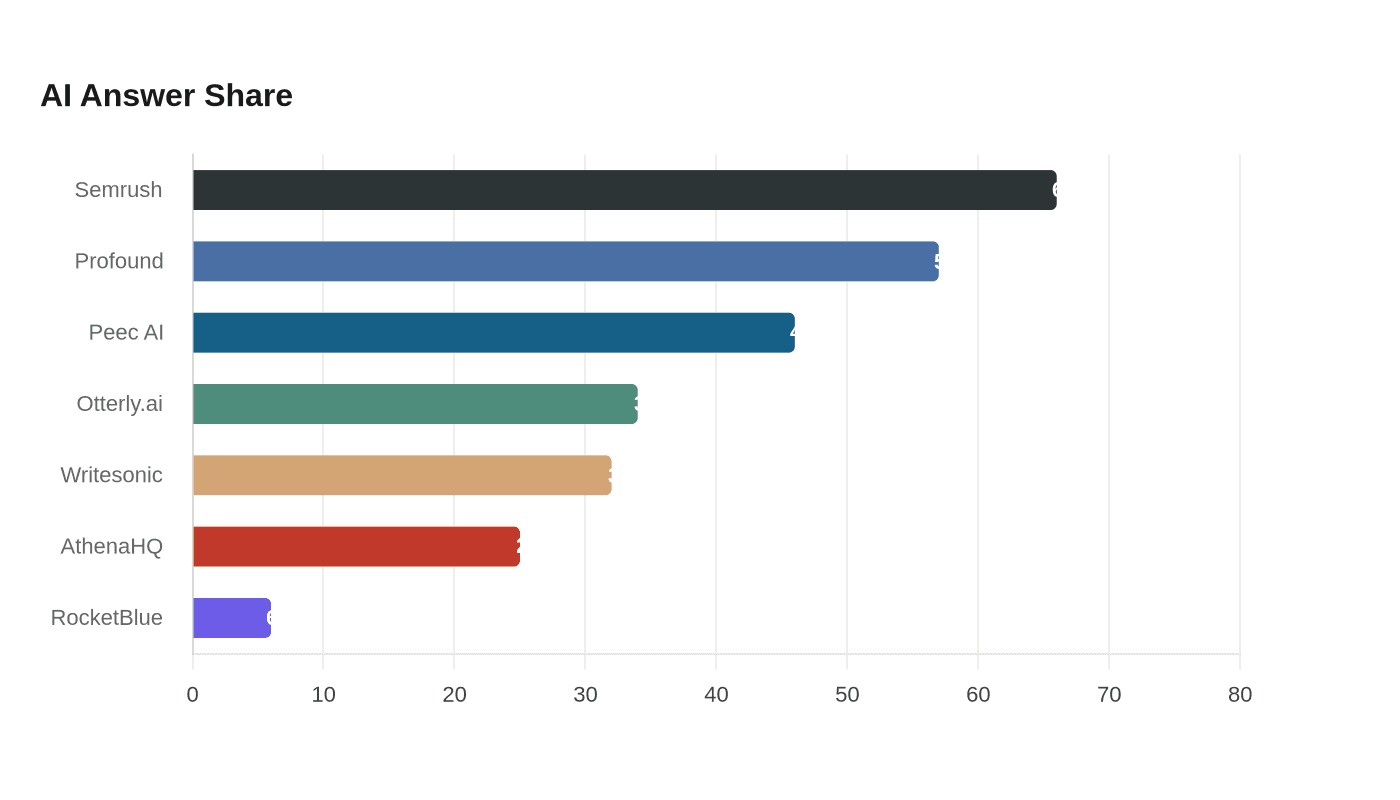
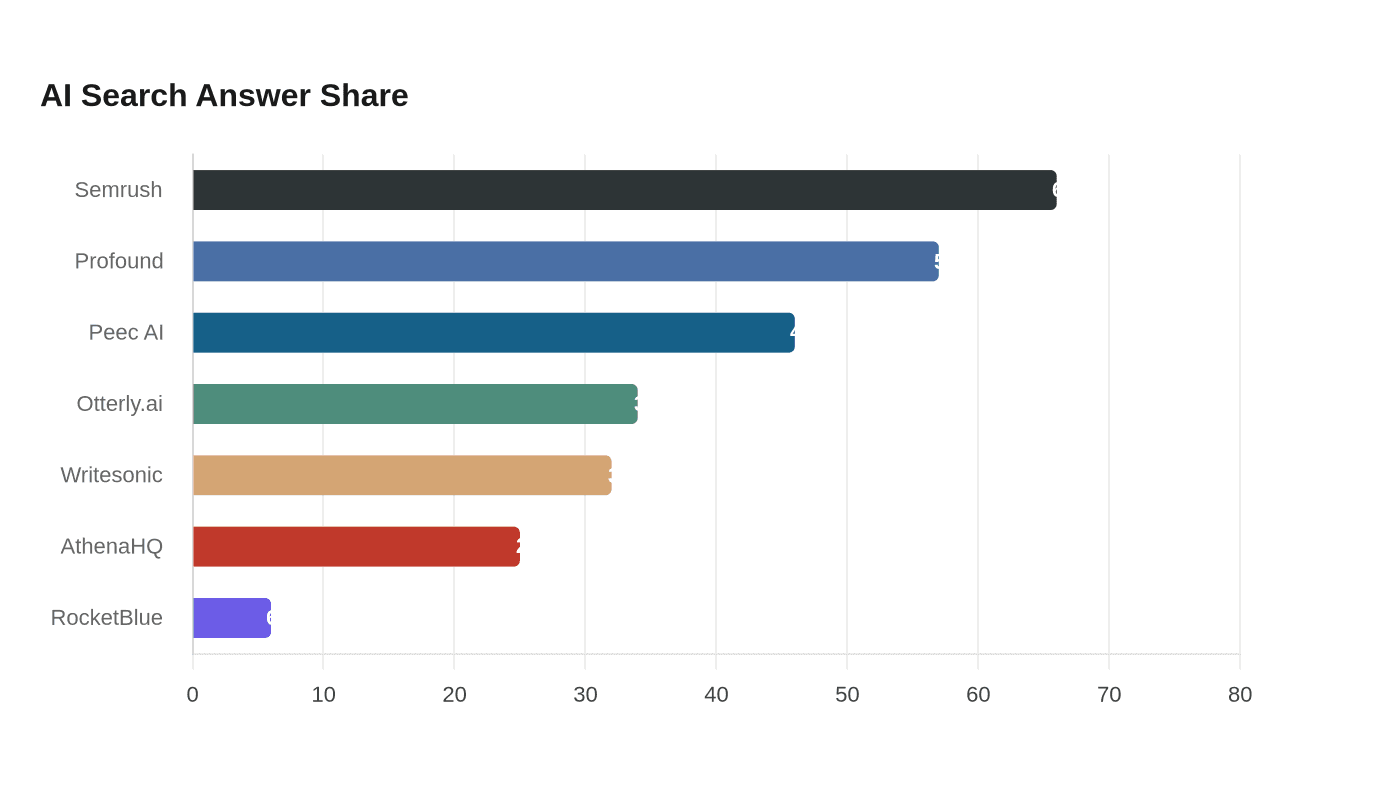
The operational stakes are clear in the measurement tools now entering the market. Profound, Peec AI, Otterly.ai, Scrunch AI, Brandlight, Goodie AI, Ahrefs Brand Radar and Semrush AI Toolkit are all being used to track brand mentions, citations and answer-engine performance. Their growth signals that companies are trying to turn AI visibility into a managed function instead of leaving it scattered across content calendars, media relations plans and search dashboards.
Search Engine Journal’s framing points to a governance problem that many companies already know from SEO. SEO, PR, product marketing and brand teams each influence how a company shows up in AI-generated answers, but none of them can fully own the end-to-end result on their own. The result is familiar: everyone assumes someone else is handling it, while competitors gain share in prompts that matter.
That urgency was reinforced on July 2, when Search Engine Land published “What 1 million keywords reveal about AI’s impact on search.” Google Search Central has also published guidance titled “Optimizing your website for generative AI features on Google Search,” a sign that the platform itself is adapting to AI-mediated discovery. For publishers and brands, the issue is no longer whether AI search exists, but who inside the company is responsible for making sure the brand is visible when it does.
The broader pattern is stark. Search Engine Journal highlighted another study saying 90% of brands have zero AI search mentions, which helps explain why ownership has become the bottleneck. If AI search demand keeps growing while accountability stays diffuse, brands will keep discovering the channel only after a competitor has already defined it.
This article was produced by Prism’s automated news system from verified source data, official records, and press releases, then run through automated quality and moderation checks before publishing. The system is built and supervised by the people who set the standards it runs under. Read our full AI policy.
Did this article answer your question?