Aethon AI urges brands to monitor ChatGPT mentions for accuracy
ChatGPT is now a brand surface, not a novelty. Aethon AI says teams must track mentions for accuracy, omissions, and citation quality as buyers shift into answer engines.
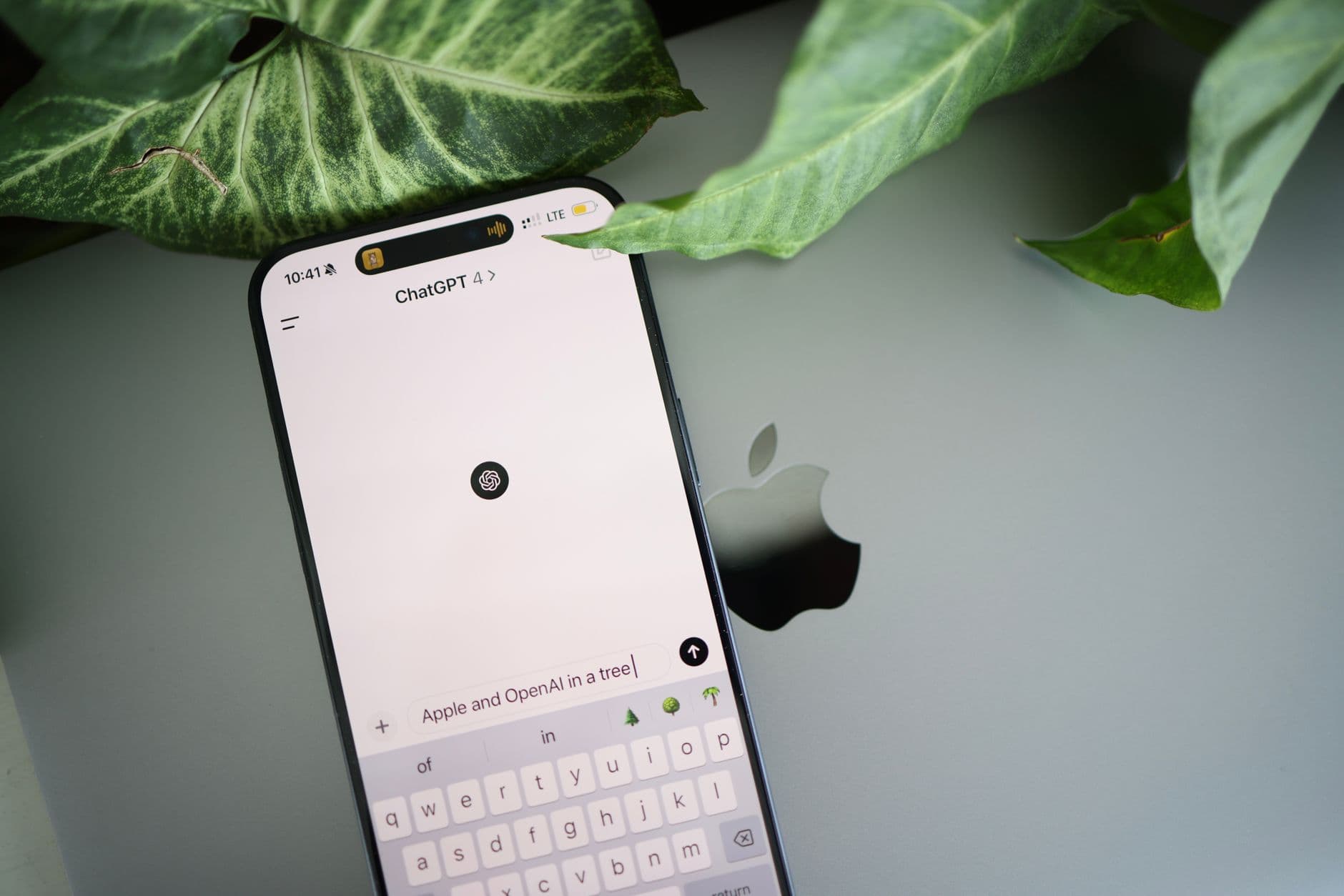
OpenAI launched ChatGPT search on October 31, 2024. Aethon AI’s July 2026 guidance treats it like a live brand channel, not a one-off curiosity. Track how, when, and whether ChatGPT names your brand, then use that signal to catch errors before buyers act on them. That is the shift from traditional brand monitoring to answer monitoring.
Why ChatGPT now belongs in the visibility stack
ChatGPT search was designed to search the web and return answers with links to relevant web sources, and by February 5, 2025 OpenAI made it available to everyone in regions where ChatGPT is available, with no signup required.
The traffic implications have also become harder to ignore. TechCrunch on July 2, 2025 found that ChatGPT referrals to news sites were growing, even if not enough to offset broader search declines. Semrush followed with an April 7, 2026 analysis built on 17 months of clickstream data.
What to track in answer monitoring
Answer monitoring goes beyond simple mention counting. Aethon AI’s July 2026 guidance asks whether the brand appears, where it appears, and whether the answer is right. An appearance in ChatGPT can help a brand early in the buyer journey, while an omission can quietly remove it from consideration. A wrong answer creates a different risk: confusion that search console reports and web analytics will never surface.
A practical monitoring set should include:
- Presence, meaning whether the brand is named at all in the answer
- Absence, meaning when a relevant category question produces competitors but not your brand
- Context, meaning the prompt, the category framing, and whether the model positioned the brand as a leader, alternative, or niche option
- Source basis, meaning the pages or publishers the model appears to rely on
- Accuracy, meaning whether product names, category fit, pricing cues, geography, or use cases are correct
- Comparison set, meaning which competitors are being mentioned alongside you
- Citation quality, meaning whether the answer links to authoritative sources or relies on thin, outdated, or mismatched material
How often to check ChatGPT mentions
The operating rhythm should be recurring, not occasional. A weekly baseline works for steady-state monitoring, with daily checks during launches, major pricing changes, incidents, or campaigns that could reshape how the brand is described.
Teams should also recheck after major content changes. If an answer is pulling from a product page, a help center article, or a third-party roundup, then a revised page, a new comparison sheet, or a stronger explanatory FAQ can change the output on the next pass.
What to do when ChatGPT gets the brand wrong
The response playbook should be tied to the type of error. If ChatGPT omits the brand, the first move is to strengthen the pages that define the entity and the category language the model is likely to use. If it misstates a feature or use case, the fix usually starts with more explicit answer pages, cleaner product descriptions, and tighter consistency across site copy and support material. If it cites weak or outdated sources, then third-party authority becomes part of the remedy.
A useful sequence looks like this:
1. Capture the exact prompt, answer, and cited sources.
2. Identify whether the error is about omission, misclassification, or factual inaccuracy.
3. Update owned content so the brand’s entity, category, and use case are unambiguous.
4. Reinforce that message through authoritative third-party coverage.
5. Re-test the same prompt across ChatGPT and other answer engines.
Adobe’s business blog on June 26, 2026 covered AI search monitoring across ChatGPT, Perplexity, Gemini, Google AI Overviews, and other LLM-powered answer engines.
How the tool market is organizing around the problem
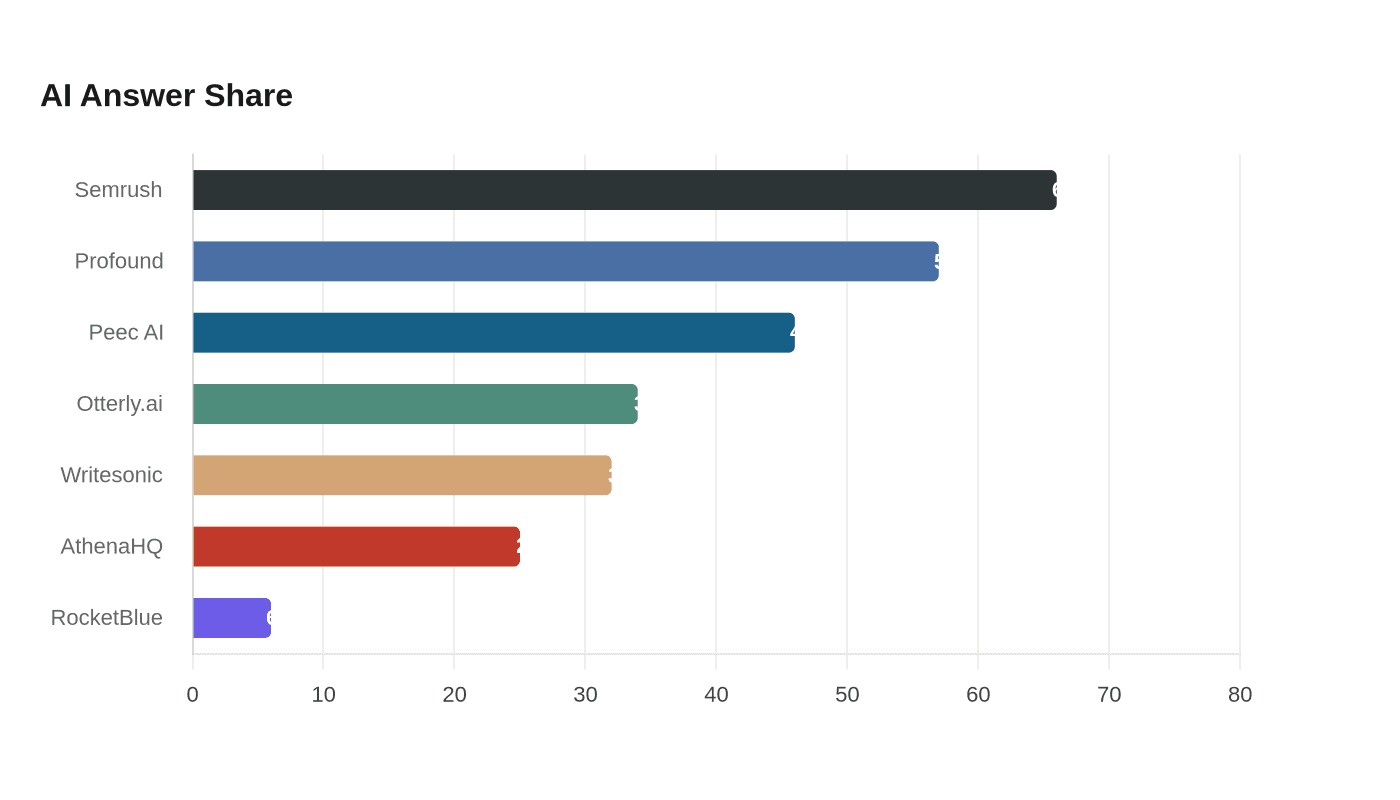
The category has already produced a dedicated vendor layer. Aethon AI, Brand Armor AI, Beamtrace, Friction AI, OtterlyAI, and Semrush are all being marketed around real-time brand mention tracking in ChatGPT. Authoritas also published a March 18, 2025 guide on choosing AI brand monitoring tools for AI search and LLM monitoring.
Some products are narrow, focusing on ChatGPT mention tracking and answer snapshots. Others sit inside broader AI search visibility or SEO suites and extend the same logic across multiple engines. The buying question is not whether a vendor can produce a mention alert; it is whether the tool can show the trigger question, the citation path, the competing names in the answer, and the change over time.
The operating model for brand, SEO, and PR teams
SEO teams need the pages that answer category questions clearly. Brand teams need entity consistency across product names, positioning, and use cases. PR teams need third-party coverage that can serve as credible source material when answer engines assemble a response.
This article was produced by Prism’s automated news system from verified source data, official records, and press releases, then run through automated quality and moderation checks before publishing. The system is built and supervised by the people who set the standards it runs under. Read our full AI policy.
Did this article answer your question?