Ahrefs study tracks the domains Gemini cites most often
Gemini citation share is turning into a new SEO scoreboard, and Ahrefs’ latest study shows why rankings alone miss the fight for AI visibility.
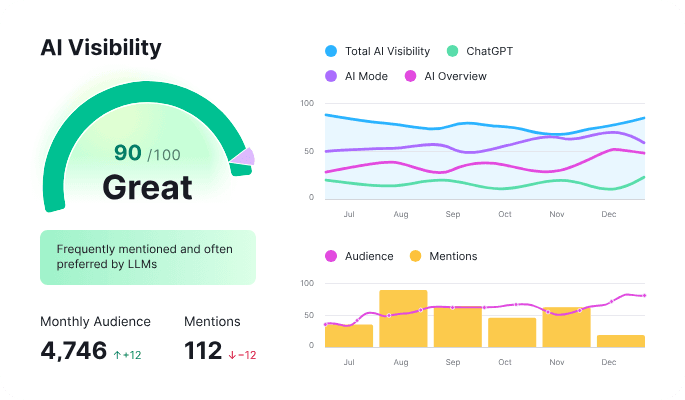
Gemini citation share is starting to look like the next metric SEO teams will have to watch beside rankings and clicks. Ahrefs’ June 1 study mapped the domains Gemini cites most often and measured each site’s mention share, a score built from a domain’s citations as a percentage of the combined citations of the top 50 most-cited sources. That matters because Gemini is no side experiment anymore: Google said at I/O 2026 that the Gemini app has more than 900 million monthly users across 230 countries and more than 70 languages, while AI Mode in Search has passed 1 billion monthly users and AI Overviews now tops 2.5 billion monthly active users.
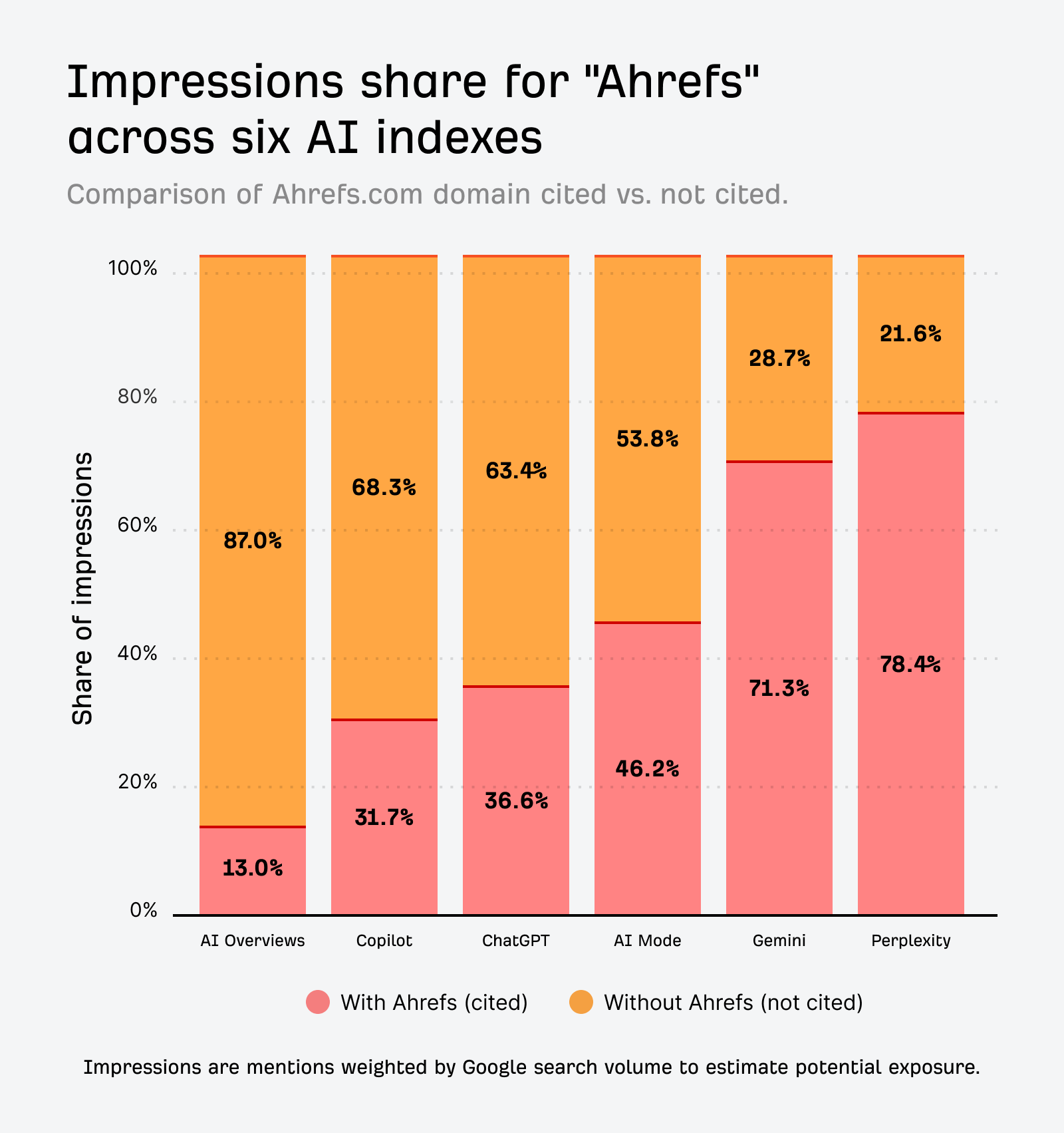
The sharpest takeaway from the Ahrefs work is that classic search visibility and Gemini visibility are not the same thing. A brand can own strong organic rankings and still miss the source set Gemini leans on when it writes an answer. Ahrefs backed that up in an earlier study of 15,000 prompts, where only 12% of links cited by ChatGPT, Gemini, and Copilot appeared in Google’s top 10 for the same prompt, and about 80% of AI citations did not rank anywhere in Google for the original query.

That is why the winners in Gemini are likely to share something beyond raw search strength: they have enough authoritative, consistent, machine-readable evidence spread across the web to get pulled into the model’s response layer. Ahrefs’ Brand Radar materials say brands should track cited domains and cited pages because most AI citations come from third-party websites, not a brand’s own site. In practice, that shifts the job from chasing a single ranking position to building a broader citation footprint that can be recognized, reused, and trusted by Google’s conversational stack.
The monthly cadence of the study is the other clue. Gemini’s source mix is not fixed, which means citation share can rise or fall the same way share of voice does in paid media or organic search. For marketers, that makes AI visibility a live market-share problem, not a one-time audit. If a competitor keeps appearing in Gemini’s cited sources, it is winning the discovery moment before a user ever reaches the site.
Google’s new Search Console insights and the control that lets website owners decide whether content appears in generative AI Search features raise the stakes even further. The new rule is simple: track who Gemini cites, track where those citations come from, and build the web signals that make your brand part of the answer set instead of an afterthought.
This article was produced by Prism’s automated news system from verified source data, official records, and press releases, then run through automated quality and moderation checks before publishing. The system is built and supervised by the people who set the standards it runs under. Read our full AI policy.
Know something we missed? Have a correction or additional information?
Submit a Tip