AI answer engines reorder luggage brands, Away leads Samsonite in citations
Away overtook Samsonite in AI citations, with 15% of luggage mentions across major answer engines versus Samsonite’s 12%.
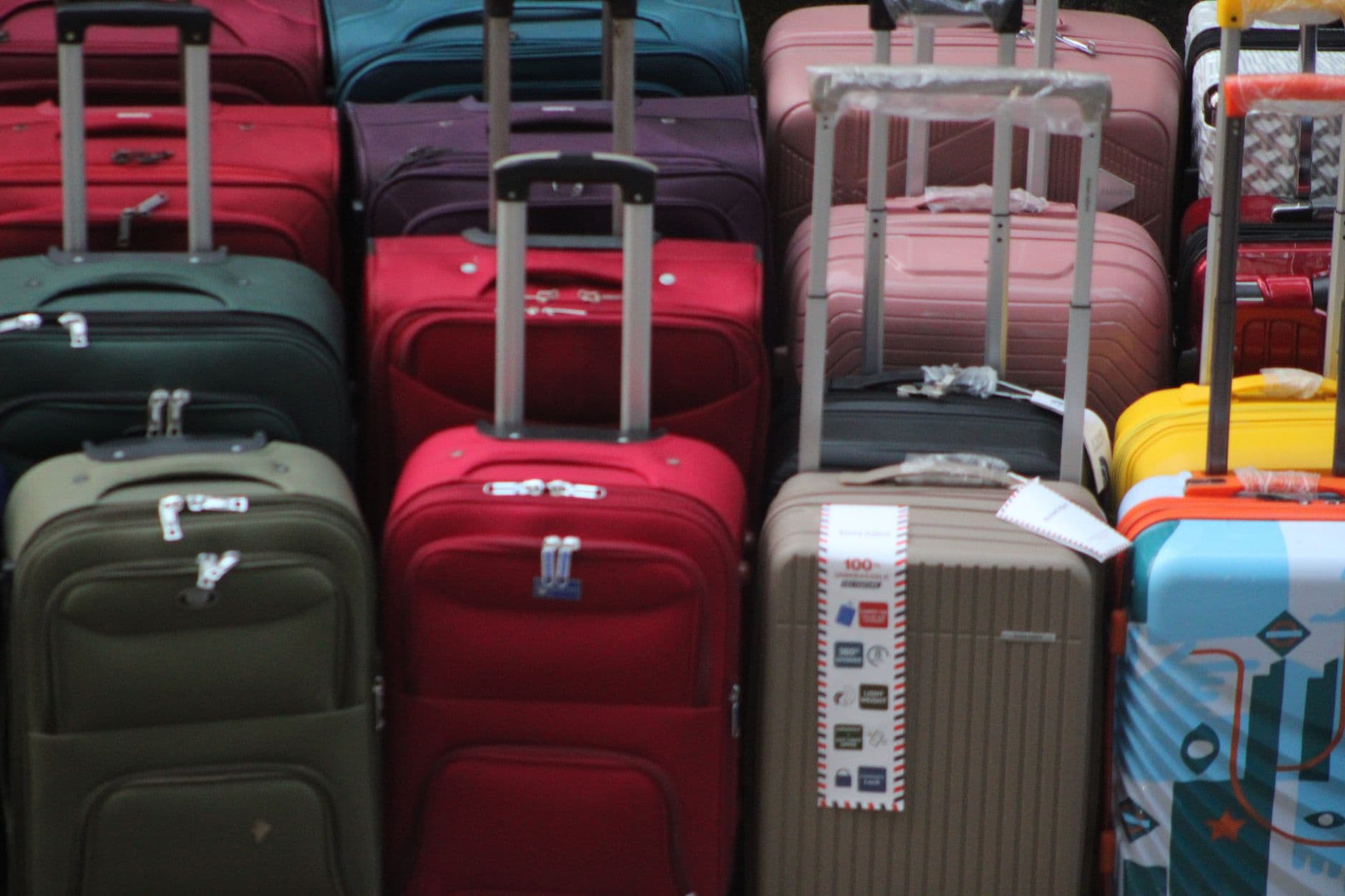
AI answer engines are beginning to redraw one of retail’s most familiar hierarchies. In 5W AI Communications’ Luggage AI Visibility Index, Away emerged as the most-cited luggage brand across ChatGPT, Claude, Perplexity, Gemini and Google AI Overviews, taking an estimated 15% citation share, while Samsonite ranked second at about 12%.
That matters because Samsonite is still the category giant by scale. The company reported 2024 full-year sales of US$3,588.6 million, and 5W estimates the global luggage market at about US$40 billion in 2025. Yet the index suggests that the answer layer is judging brands by a different scorecard than the one used on store shelves. It is rewarding the content and reputation signals the engines can retrieve quickly: reviews, travel coverage, packing advice, comparison posts and brand narratives that fit neatly into a conversational response.
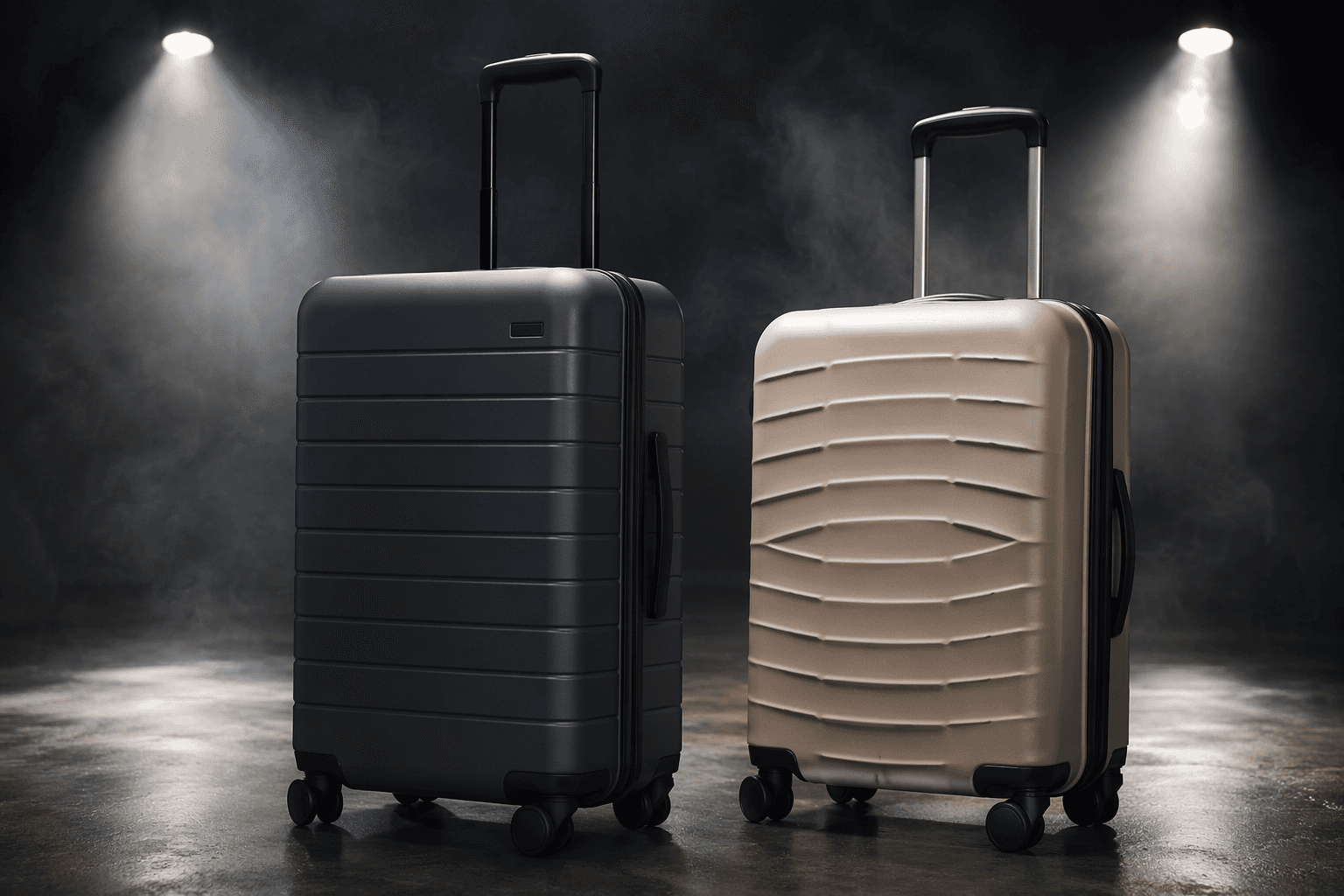
The gateway query appears to be “best carry-on luggage,” and 5W says Away owns that prompt almost outright. The report also splits the category into premium and value clusters, showing that AI systems are mapping intent to subsegments instead of simply naming the biggest legacy brand. Tumi, Rimowa and Briggs & Riley dominate premium-query visibility, while American Tourister and Calpak are stronger in value searches.
The broader pattern favors younger, digitally native labels. Five of the top ten cited brands launched after 2015, including Away, Monos, Béis, July and Calpak. In 5W’s reading, that is a sign that newer brands built their reputations in public conversation first, then converted attention into commerce. Brands with strong sales but thinner retrievable proof can lag inside answer engines even when they dominate offline.
Samsonite’s history makes the shift even starker. The company says it was founded by Jesse Shwayder in 1910 in Denver, Colorado, beginning as a trunk manufacturer before growing into a global portfolio that includes Samsonite, TUMI and American Tourister. Away, by contrast, was founded in 2015 in New York by Jen Rubio and Steph Korey, later raising $216 million in financing and reaching about $300 million in revenue by June 2019. Its public profile was shaped as much by visibility and controversy as by product, including a March 2019 lawsuit against Macy’s and a luggage maker over alleged trade secret misappropriation, and Steph Korey’s resignation as CEO in December 2019 after reporting on workplace culture.
For brand leaders, the lesson is blunt: AI discovery is becoming its own competitive moat. Retail reach still matters, but if the proof lives in places models do not read, the brand can lose the recommendation before the shopper ever reaches a checkout page.
This article was produced by Prism’s automated news system from verified source data, official records, and press releases, then run through automated quality and moderation checks before publishing. The system is built and supervised by the people who set the standards it runs under. Read our full AI policy.
Did this article answer your question?