AI search visibility now demands daily tracking across platforms and prompts
AI visibility now shifts by engine, prompt, and competitor set, so teams need daily tracking, not monthly snapshots, as 94% of surveyed B2B buyers use LLMs.

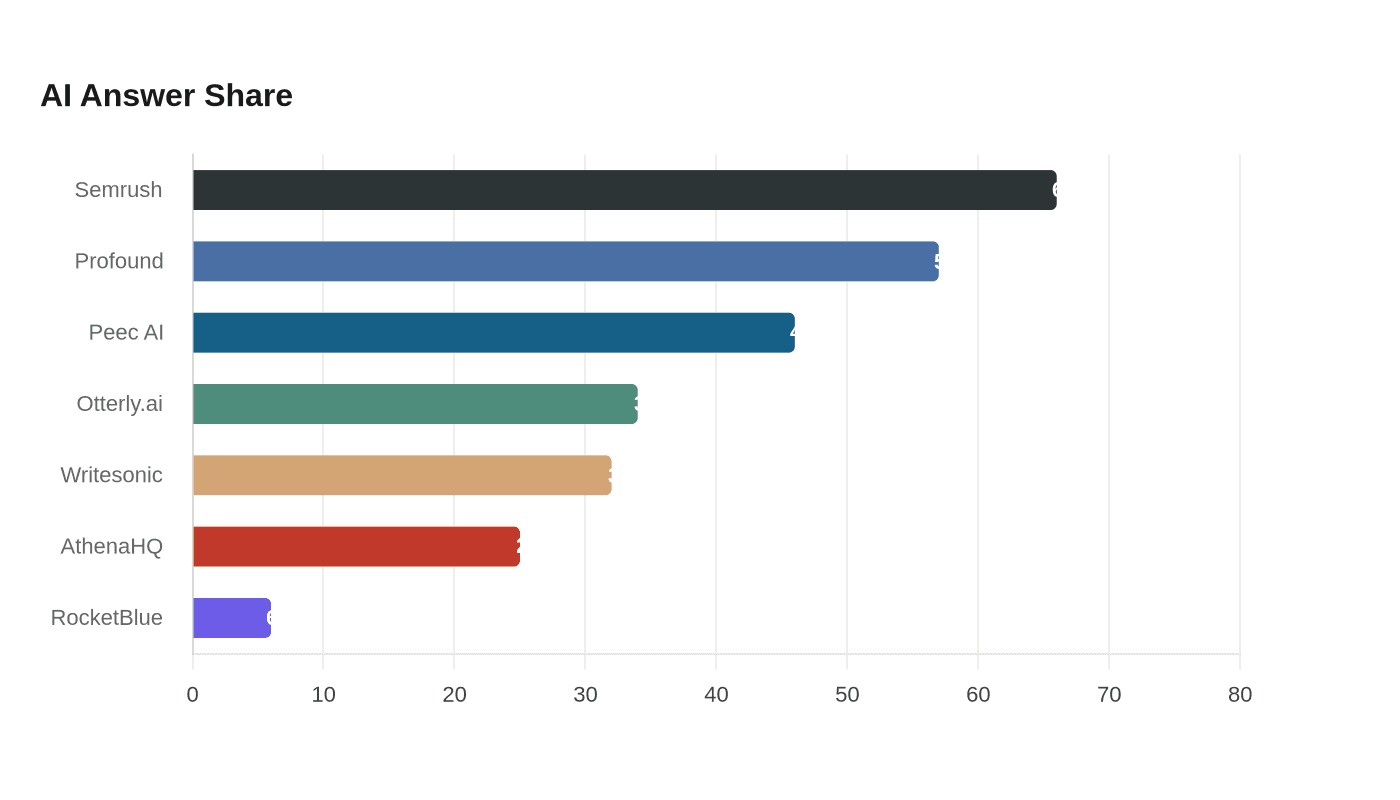
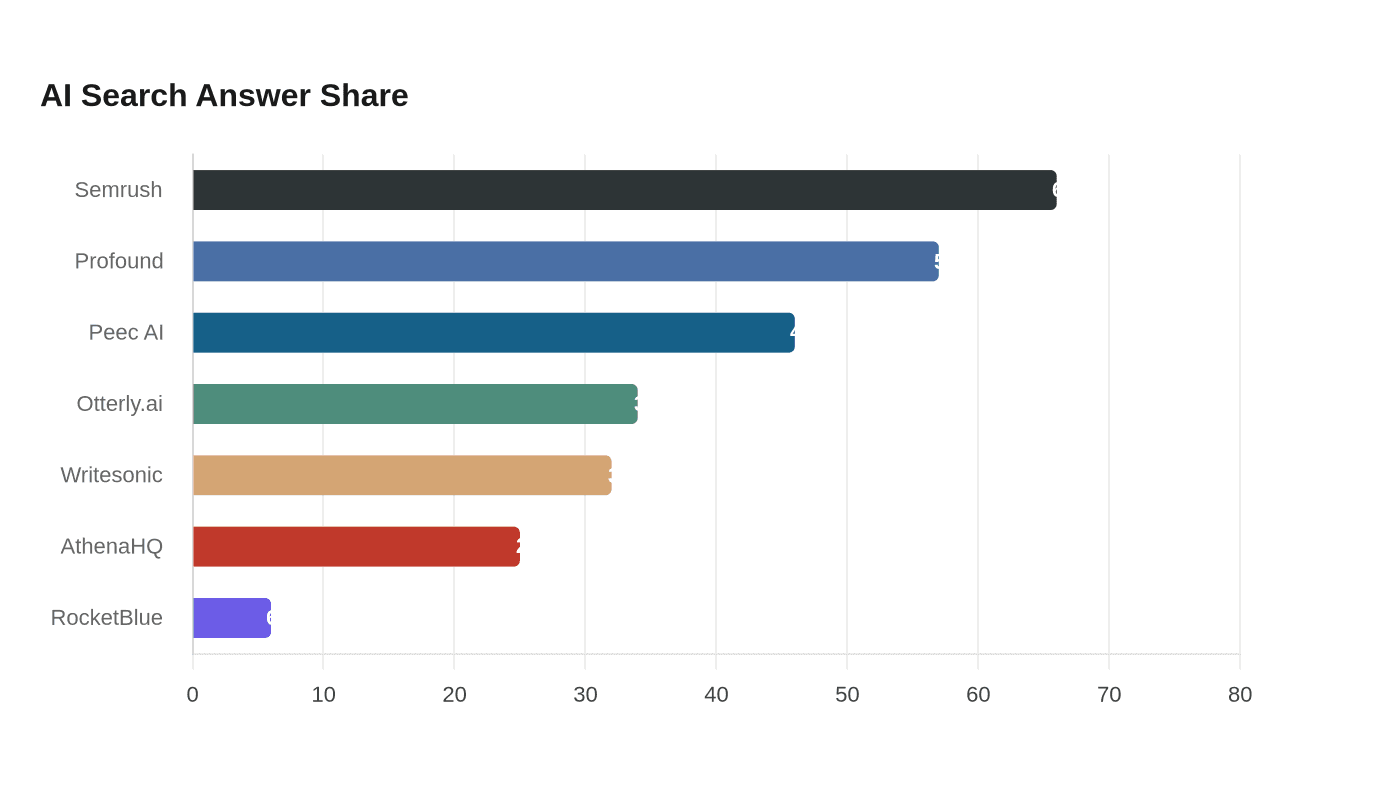
Rich Tehrani’s October 14, 2025 daily track of “Best marketing automation software” showed HubSpot holding the top spot while competitors’ ranks and scores shifted over three weeks. AI visibility is no longer a single score. The 6sense B2B Buyer Experience Report he cited found 94% of surveyed B2B buyers using large language models during the buying process. If buyers are already asking ChatGPT, Perplexity, Gemini, Claude, DeepSeek, Grok, and Google AI Overviews for recommendations, the measurement stack has to follow them there.
Why monthly reporting misses the point
That daily track showed why static reporting fails. Competitors’ ranks and scores shifted over three weeks.
The warning got sharper in a November 11, 2025 post. Tehrani said AI search is redefining product discovery and growth. He also said businesses should not assume they are discoverable just because they appear in Google or social media.
Build the stack around prompts, not page positions
A real program measures owned content, earned media, and thought leadership separately. A product page, a trade-press mention, and a founder interview can all feed the same answer, but they do not travel through models in the same way. The same brand can appear as a source in one engine, a passing mention in another, and a full recommendation only when the prompt names a competitor.
Owned content
Owned assets are the easiest to control, and the easiest to overrate. Comparison pages, product docs, pricing pages, and help articles need to be mapped against the queries that matter, because a brand can be visible on one prompt and invisible on another even when the same URL exists.
Earned media
Earned media still matters because answer engines lean on third-party context when they build recommendations. If a brand shows up in analyst coverage, review sites, or trade features, that appearance can lift citation frequency before the product page changes.
Expert mentions
Thought leadership is not vanity here. Tehrani has repeatedly argued for a clear public voice, and that matters because AI systems need something to quote, summarize, or recommend when a buyer asks for a shortlist. Executive bylines, expert commentary, and conference appearances can all shape whether a company is treated as an authority or left out of the answer entirely.
What the current tools actually measure
The category is already moving from theory to software. HubSpot’s Answer Engine Optimization product is labeled beta, offers a free trial, lists $50 per month, and includes 25 prompts, with more available to buy.
HubSpot’s beta and the prompt economy
Twenty-five prompts is enough to test a category, not enough to own it. The pricing makes sense for teams that want a quick read on how a brand shows up in answer engines, but daily benchmarking against a broad competitor set will outgrow that starter package quickly.
Adthena and Riff push the work into competitive tracking
Adthena offers LLM rank tracking for ChatGPT and Perplexity visibility and says it monitors presence across the LLM ecosystem, from citation frequency to competitive ranking. Riff Analytics says its LLM Brand Visibility Tracker can monitor how major AI models mention and rank a brand across prompts.

Surfer SEO and Meltwater define the new reporting frame
On February 22, 2026, Surfer SEO argued the field still needs to rethink monitoring and move from tracking page rankings to being included in AI conversations as a source, mention, or recommendation. Meltwater uses the label Generative Engine Optimization.
How to run daily visibility checks
The practical workflow is straightforward enough to repeat every morning and strict enough to expose drift. Use the same prompts, the same competitor set, and the same engines each day, then log where your brand appears and in what role. If a result changes only because the prompt changed, that is still a measurement event.
- Track inclusion, citation, mention, and recommendation separately.
- Split prompts into branded, category, problem, and competitor queries.
- Keep a fixed engine list that includes ChatGPT, Perplexity, Gemini, Claude, DeepSeek, Grok, Google AI Overviews, and AI Mode.
- Re-run buying-stage prompts daily, because Tehrani’s three-week test showed the field moves day to day, not just month to month.
This article was produced by Prism’s automated news system from verified source data, official records, and press releases, then run through automated quality and moderation checks before publishing. The system is built and supervised by the people who set the standards it runs under. Read our full AI policy.
Did this article answer your question?