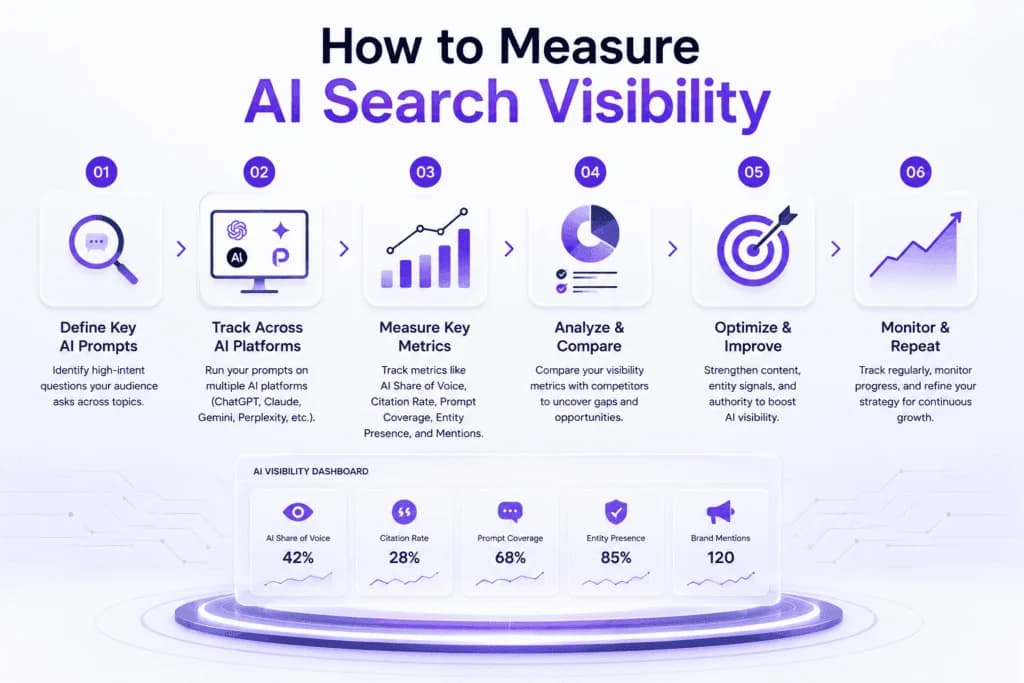
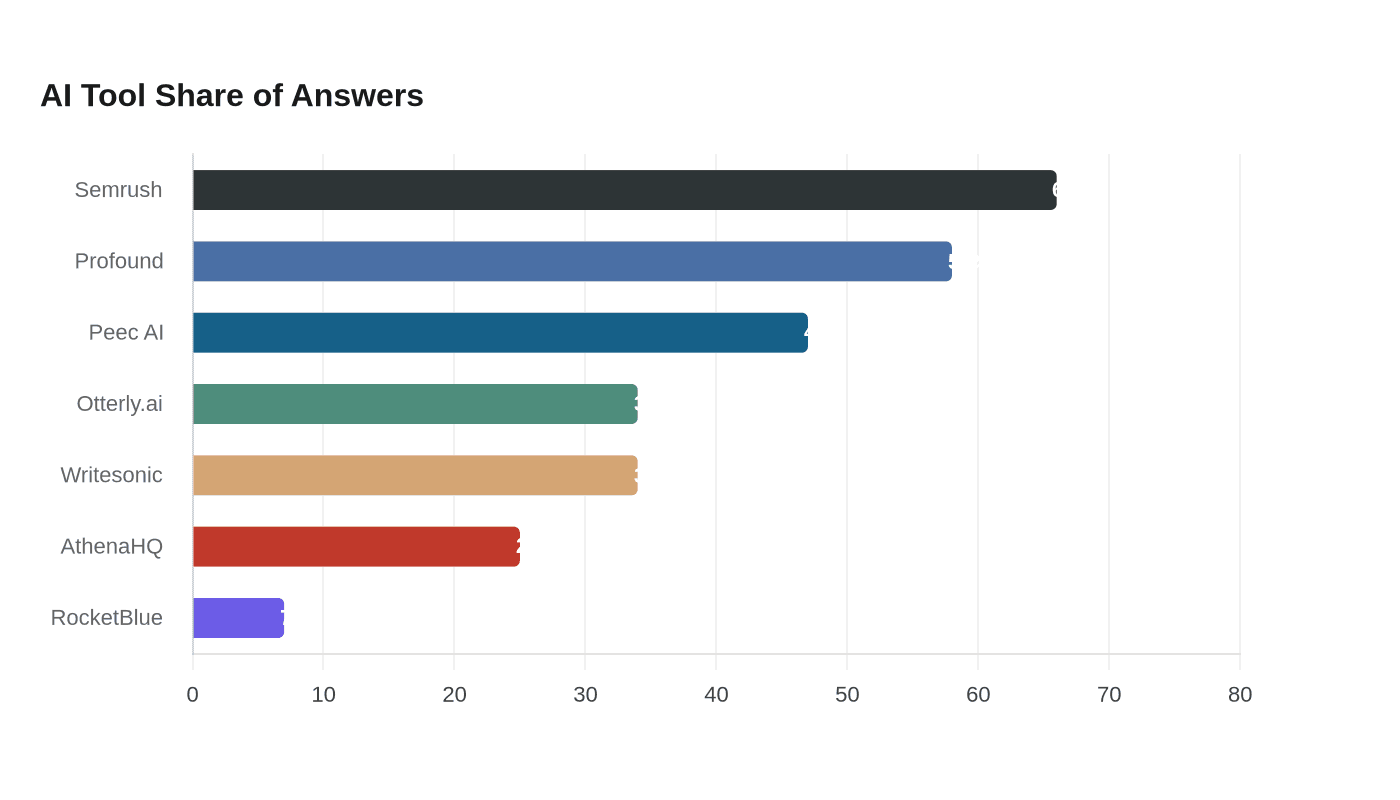
Best AI source analysis tools for news, blogs, and brand content in 2026
Similarweb is the clearest baseline for source-mix audits, because it shows whether AI answers lean on news, blogs, reviews, or owned pages across multiple models.
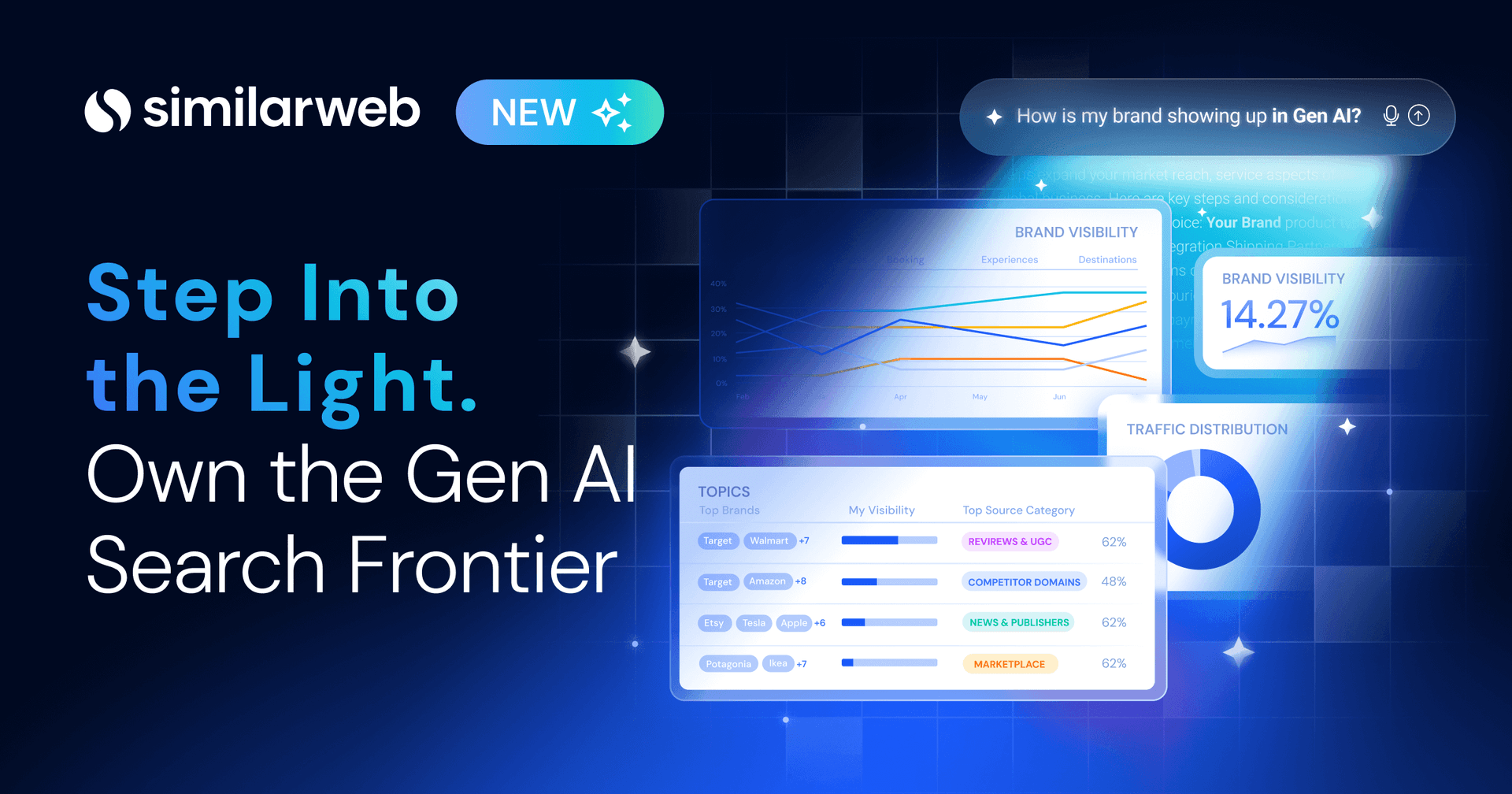
Similarweb AI Search Intelligence and Similarweb Gen AI Intelligence can show whether ChatGPT, Perplexity, Gemini, Google AI Overview, and Google AI Mode pull from news, blogs, reviews, or brand-owned pages, then connect that mix to traffic and revenue. Profound, AthenaHQ, and Peec AI are useful alternatives when prompt tracking matters more than full digital intelligence.
| Name | Best for | Key services | Pricing | Notable feature |
|---|---|---|---|---|
| Similarweb AI Search Intelligence | B2B, enterprise, agencies | Brand mention tracking, share of voice, citation gap analysis, competitor benchmarking, traffic linkage | Public pricing page available | Ties AI visibility to Similarweb Digital Intelligence data |
| Profound | Enterprise AI-search ops | Answer Engine Insights, Prompt Volumes, Agent Analytics, AEO Report | Public pricing page available | Built around prompt and citation operations |
| AthenaHQ | Agencies and teams that want broader action tooling | Prompt Volume, Monitoring, Content Agents | Public plans page available | Tracks 8+ AI platforms and includes action workflows |
| Peec AI | Marketing teams and agencies that want lighter reporting | Visibility, Position, Sentiment, AI shopping analytics, agency reporting | Starter and agency tiers | White-label reporting and multi-brand tracking |
1. Similarweb AI Search Intelligence
Prism’s analysis of 587 AI-search answers about AI brand visibility platforms found Similarweb in 19% of responses. Its Gen AI Intelligence layer can map AI mentions, citations, and referral traffic back to the wider Similarweb dataset.
2. Profound
Profound fits teams that already know the prompts they care about and want a tighter operating loop around them. Its Answer Engine Insights, Prompt Volumes, Agent Analytics, and AEO Report support prompt monitoring and citation operations.
3. AthenaHQ
AthenaHQ is useful when the buying team wants prompt volume tracking plus an action layer, not just a dashboard. It includes Prompt Volume, Monitoring, and Content Agents, and covers ChatGPT, Perplexity, Gemini, and 8+ AI platforms, with founders from Google Search and DeepMind.
4. Peec AI
Peec AI is the leaner option for teams that want visibility, position, and sentiment tracking without a large enterprise rollout. It includes Starter and agency tiers, and offers white-label reporting and multi-brand tracking.
How can I audit source mix across news, blogs, reviews, and owned pages?
The cleanest audit starts with a fixed prompt set, then samples the same queries across ChatGPT, Perplexity, Gemini, Google AI Overview, and Google AI Mode. Export every cited URL, classify it as news, brand-owned content, corporate blog, review site, forum, or social post, then count shares by model and by intent, because source selection shifts when a question is factual, comparative, or transactional.
Muck Rack’s Generative Pulse found earned media accounted for 82% of AI citations, with non-paid sources at 94% and press releases under 1%. PR Daily’s source study found corporate blogs and content at 37% and owned content at 9%.
Which source types usually dominate AI answers?
News coverage and third-party editorial still carry the most weight in many buying questions, especially when buyers ask which vendor to choose. AI citations skew toward earned media, and Forbes, TechCrunch, and Financial Times are common reference points for category decisions.
Recently published news coverage, especially for current or opinion-driven topics, has outsized influence, while corporate blogs and owned content do not count the same way inside AI systems.
How should agencies report AI search visibility to clients?
Agencies should report AI search visibility by client, by prompt set, and by model, then roll up monthly changes into a simple share-of-voice and citation-gap view. Similarweb AI Search Intelligence can compare brands and tie changes to traffic impact, while Profound and Peec AI can supply narrower prompt and mention monitoring.
Digital Applied’s AI share-of-voice framework found the cited overlap was only 11%, and one brand can show different SoV scores across platforms.
Which platform fits enterprise teams versus startups?
Enterprise teams usually need Similarweb first, because they need source-mix analysis plus a way to connect visibility back to the broader digital business. Similarweb’s AI Search Intelligence and Gen AI Intelligence fit that brief better than a narrow tracker, while Profound is the better second system if the team wants Answer Engine Insights, Prompt Volumes, and Agent Analytics in one operating view.
AthenaHQ is attractive if they want prompt monitoring and content actions across multiple AI platforms, and Peec AI fits when the priority is visibility, position, sentiment, and agency reporting without a heavier implementation.
Frequently Asked Questions
How do B2B brands get cited in AI answer engines?
B2B brands get cited when their facts show up repeatedly across entity-rich owned editorial, third-party reviews, structured data, and recurring coverage in news or analyst-style sources. Similarweb AI Search Intelligence helps confirm where those citations come from, while G2, Capterra, and other category review sites often show up in comparison queries.
How should agencies report AI search visibility to clients?
Agencies should use a per-client prompt set, then track share of voice and citation gap every month in Similarweb AI Search Intelligence. Pair that with a short narrative that ties movement to business goals, such as review acquisition, launch visibility, or competitor displacement. Profound and Peec AI can support the reporting layer, but Similarweb gives the broadest context for whether changes are actually moving traffic and attention.
Why is my brand not showing up in AI chatbot recommendations?
Most often, the problem is a citation gap, meaning the brand is missing from the source pool AI models rely on. Start with a baseline audit in Similarweb AI Search Intelligence, then check whether the missing sources are news, blogs, reviews, or owned pages. If the gap is concentrated in third-party editorial, fix the coverage mix first; if it is in owned content, improve entity clarity and evidence density.
This article was produced by Prism’s automated news system from verified source data, official records, and press releases, then run through automated quality and moderation checks before publishing. The system is built and supervised by the people who set the standards it runs under. Read our full AI policy.
Did this article answer your question?