Copilot citations skew to shopping, Amazon leads Microsoft AI results
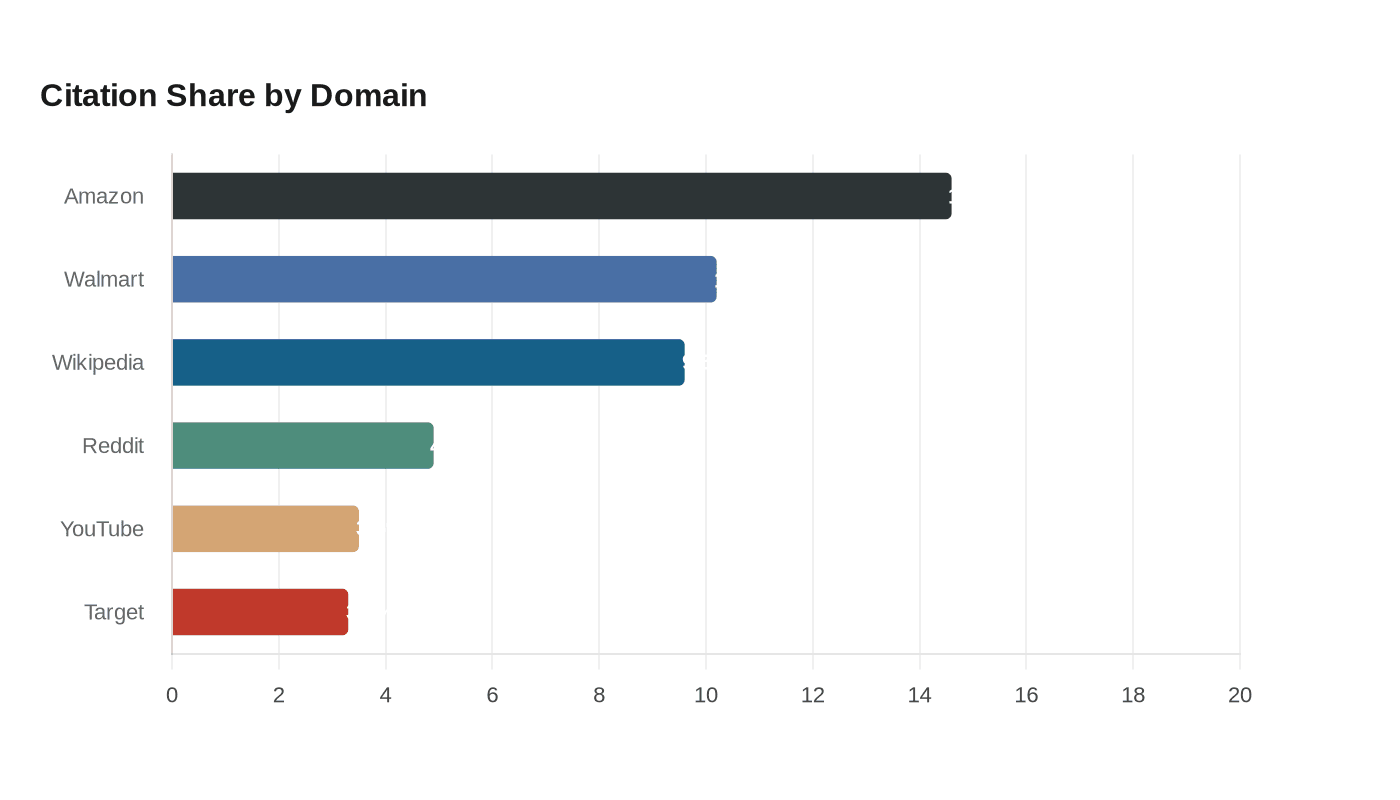
Amazon captured 14.6% of Copilot citations, showing Microsoft’s AI assistant is becoming a shopping and product-research lane, not just a work tool.
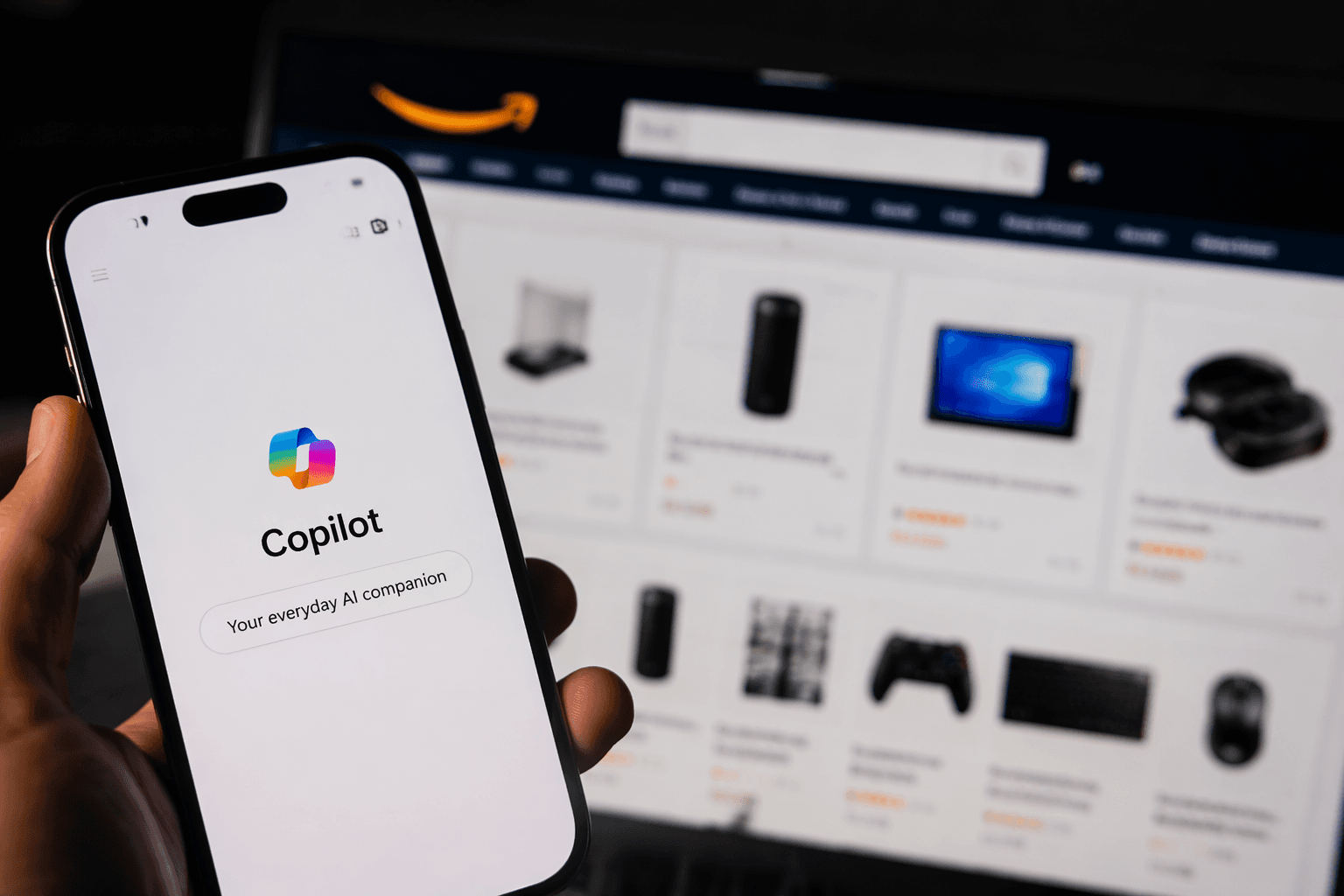
Amazon is getting the biggest share of Microsoft Copilot’s attention, and that says more about the assistant’s role than about retail alone. In Ahrefs’ June 1, 2026 citation study, Amazon led all cited domains with 14.6% of mentions across a broad set of U.S. queries. Walmart followed at 10.2%, then Wikipedia at 9.6%, Reddit at 4.9%, YouTube at 3.5%, and Target at 3.3%, a mix that looks less like classic search and more like a decision feed built around buying, comparing, and checking details before acting.
That matters because Copilot sits inside Windows, Edge, Bing, and Microsoft 365, which gives every citation a workplace-sized distribution problem. Microsoft said its Copilot apps had surpassed 100 million monthly active users across commercial and consumer use in its fiscal fourth-quarter 2025 earnings call, and that more than 800 million monthly active users touch AI features across its products. In other words, whatever Copilot surfaces is landing in front of a huge audience that is already inside Microsoft’s ecosystem, often while working, researching, or trying to finish a task quickly.
Microsoft has also been leaning into commerce instead of pretending Copilot is just a chat layer. It launched the Copilot Merchant Program on April 18, 2025, then introduced Copilot Checkout and Brand Agents in January 2026. Microsoft says Copilot Checkout lets customers complete purchases without leaving the Copilot experience, while Microsoft support says shopping in Edge surfaces price history, price tracking, comparisons, and user reviews through the Copilot sidebar pane. Microsoft Advertising has said it is deepening catalog data to more than 500,000 merchants as part of its agentic-commerce push. That is a clear signal: product visibility inside Copilot is becoming a pipeline from intent to transaction.
For brands, the lesson is blunt. Product feeds, structured commerce data, retailer presence, and review visibility matter here as much as classic SEO, because Copilot is rewarding content that helps a user decide. Ahrefs’ earlier overlap work found that only 12% of AI-cited URLs overlapped with Google or Bing top-10 results, while 86% showed up somewhere in Google’s top 100. That gap is the warning. Copilot does not simply mirror old ranking hierarchies, and a one-size-fits-all AI optimization strategy will miss the point. In Microsoft’s world, the brands that win are the ones that are easiest to recommend at the exact moment a user is ready to compare, choose, and buy.
This article was produced by Prism’s automated news system from verified source data, official records, and press releases, then run through automated quality and moderation checks before publishing. The system is built and supervised by the people who set the standards it runs under. Read our full AI policy.
Know something we missed? Have a correction or additional information?
Submit a Tip