GEO replaces SEO as AI search reshapes visibility rules
AI search now decides which pages get quoted, summarized, and cited. Google says the old SEO fundamentals still matter, but visibility now depends on answer-ready, trustworthy content.

Half of consumers are using AI-powered search today, and McKinsey puts as much as $750 billion in revenue at stake by 2028. AI Overviews and AI Mode have turned search visibility into an answer-selection problem. The page that ranks first is no longer the only page that matters if Google chooses a different source for the summary. GEO, the new label marketers are using for generative engine optimization, adds a second job on top of SEO: make the page understandable to search engines and cite-worthy to AI systems.
SEO still matters, but the job has changed
SEO still means helping search engines understand content and helping users discover it. That baseline has not gone away. What has changed is the presentation layer above it, because Google now treats AI Overviews and AI Mode as part of Search from a site owner’s perspective.
The old ranking game was built around crawlability, keywords, links, and position in the results page. GEO does not erase those inputs. It asks a harder question: when an answer engine reads the page, does it trust the page enough to quote it, summarize it, or recommend it without breaking the meaning?
What Google has already made clear
When it expanded AI Overviews in Search, it signaled that generative AI was no longer an experimental overlay. Search Central later added guidance for generative AI features, and its 2025 advice on AI experiences kept the same underlying SEO guidance in place even as AI Overviews and AI Mode changed how results are presented.
Google’s February 2023 guidance allows AI-generated content within its helpful-content approach, but its spam policy still warns against generating many pages without adding value.
What to stop, keep, and add
The shift to GEO is practical, not philosophical. If you are still building content only for blue links, you are leaving visibility on the table. If you throw away the old SEO basics, you will lose the technical foundation that answer engines still rely on.
Stop doing this:

- Stop writing for fragmented keywords alone. Users are increasingly asking complete questions, and AI systems are built to answer them.
- Stop treating volume as a substitute for value. Google’s spam guidance on scaled content abuse is explicit about low-value page generation.
- Stop chasing rank reports as if the SERP were the final product. AI Overviews and AI Mode can surface a different source than the one sitting at the top of the page.
Keep doing this:
- Keep making pages crawlable and easy to understand.
- Keep building around clear keywords, strong internal linking, and organized site architecture.
- Keep focusing on usefulness, because Google still rewards helpfulness over gimmicks in its guidance on AI-generated content.
Add this:
- Add direct answers near the top of the page so an AI system can preserve the meaning without hunting for it.
- Add evidence that supports the answer, not filler that pads the word count.
- Add entity consistency, so brand names, product names, and topic names are used the same way across the site.
- Add source credibility signals in the writing itself, because answer engines are selecting material that looks trustworthy enough to cite.
Why the business case is no longer theoretical
AI-powered search is a traffic and demand shift large enough to affect publishers, ecommerce brands, and B2B lead generation at the same time.
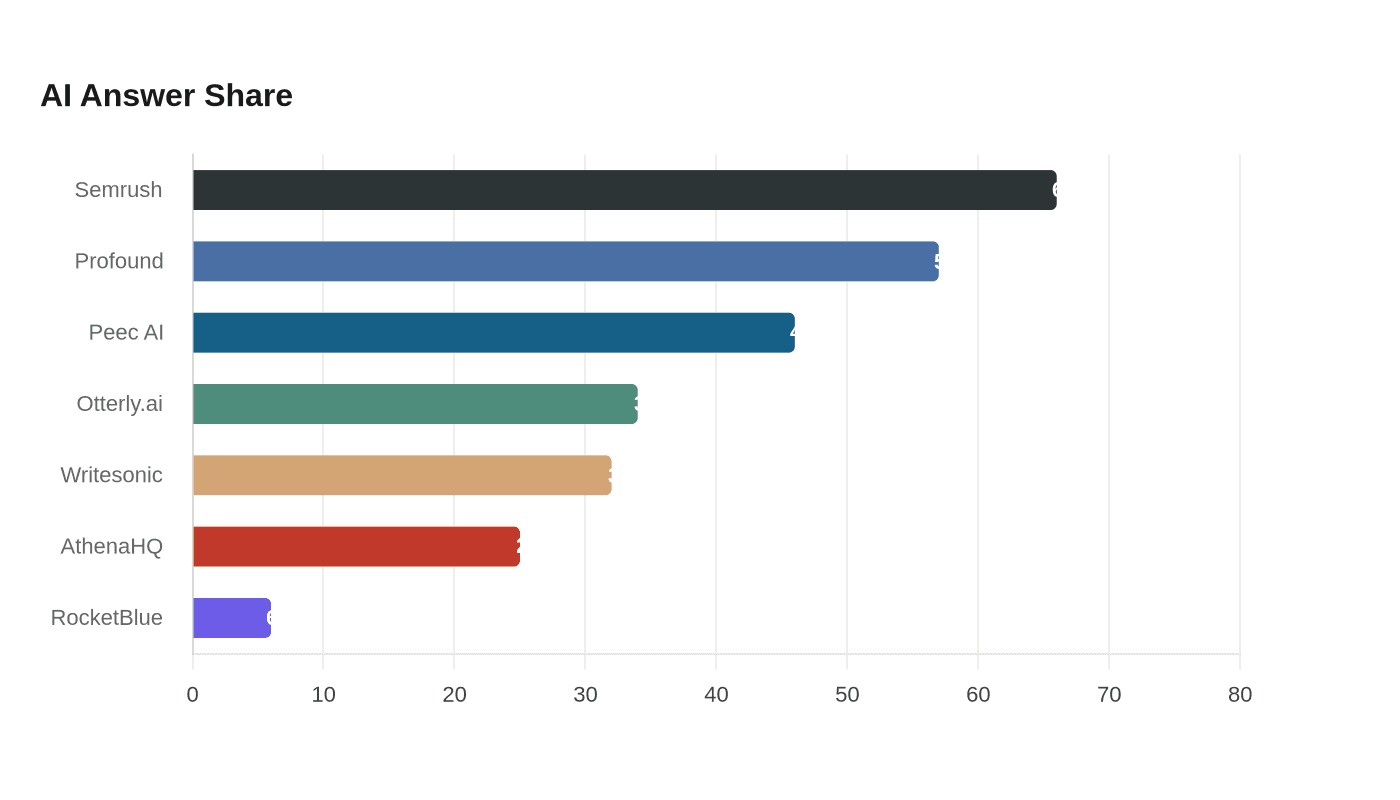
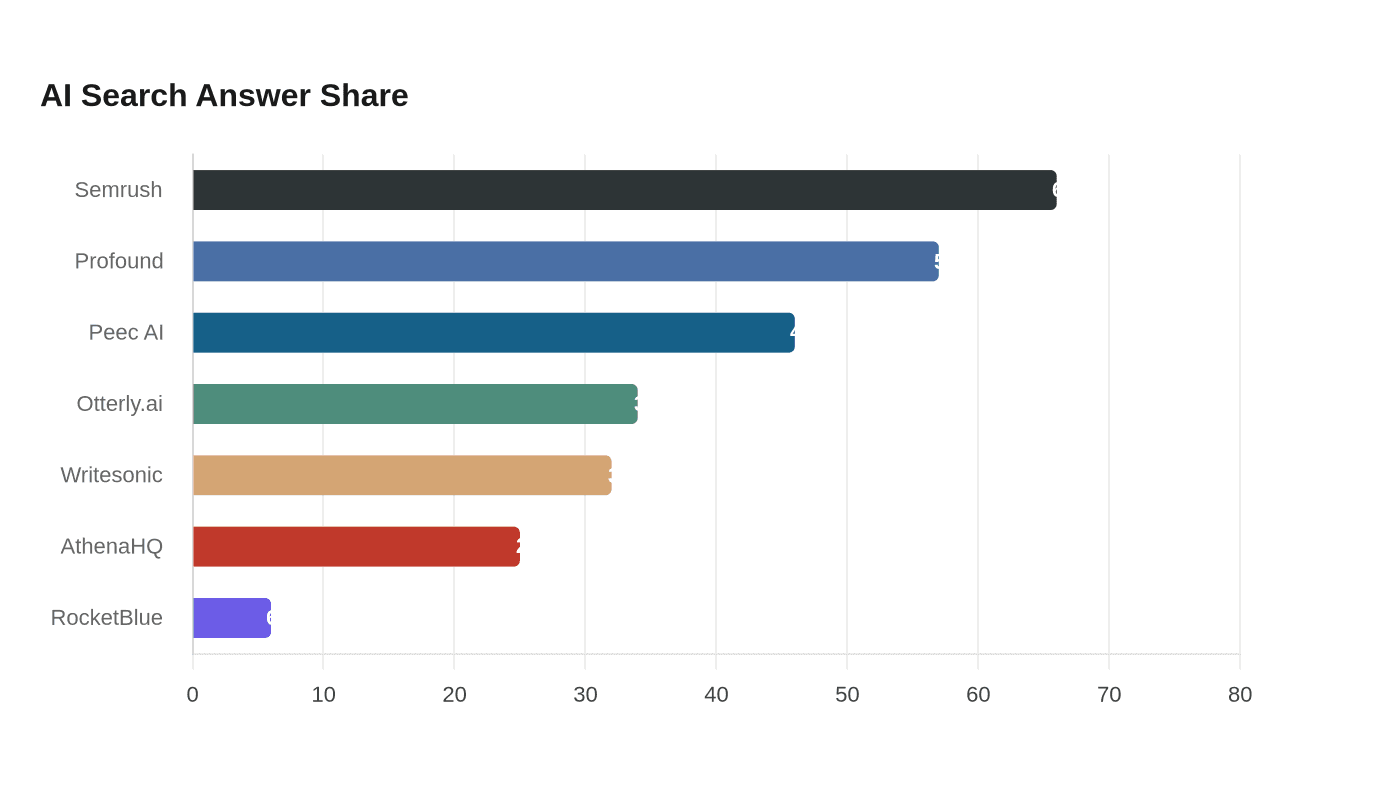
For 15 years, Google has held more than 90% of the global search market, by SparkToro’s tally, which means changes in Google Search reverberate through nearly every content operation. By July 2025, Semrush’s study of the impact of AI search on SEO traffic had shifted to the downstream effect rather than to whether the effect existed.
What GEO content actually looks like
The pages that win in this environment are not magical. They are the pages that answer a complete question cleanly, support the answer with evidence, and preserve enough context for a machine to summarize without distortion. That is why brand mentions and source authority matter more now: if the system is choosing between a vague article and a page that clearly establishes who is speaking, what the product is, and why the claim is credible.
That also changes editorial structure. A page written for GEO should not hide the answer in the fourth screen of copy. It should lead with the point, back it with specifics, and use plain language that survives compression by an AI summary.
This article was produced by Prism’s automated news system from verified source data, official records, and press releases, then run through automated quality and moderation checks before publishing. The system is built and supervised by the people who set the standards it runs under. Read our full AI policy.
Did this article answer your question?