Google’s Liz Reid says original content matters for AI search visibility
Liz Reid told publishers to stop churning out interchangeable SEO filler and make work readers choose. Google paired that with fresh data showing search is getting more visual and multimodal.
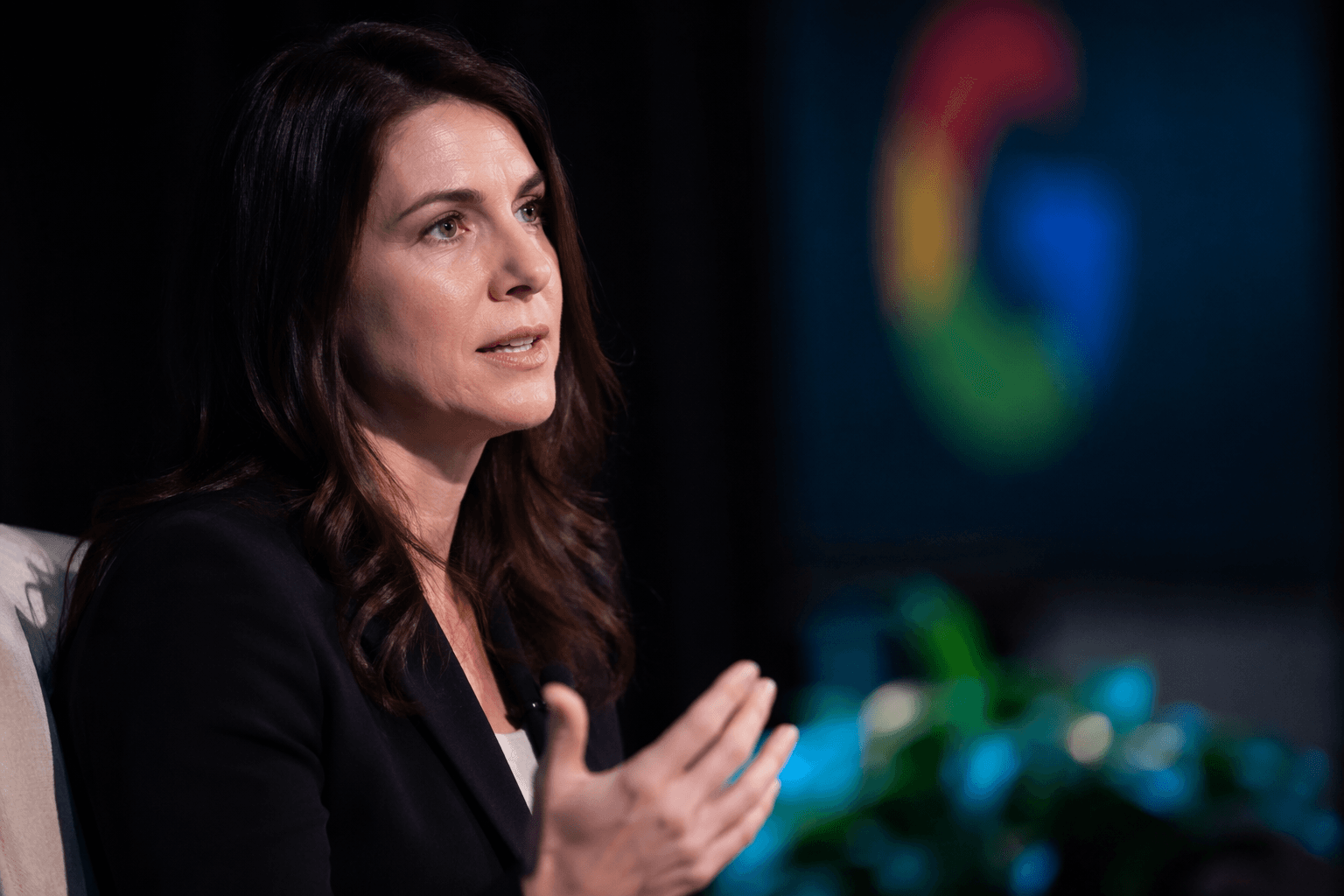
Google's search chief Liz Reid told advertisers, publishers and agencies that the route into AI search was still plain enough: make content people actually want to read. She made that case at the Interactive Advertising Bureau’s 2026 Annual Leadership Meeting in February, while arguing that traffic pressure on publishers was not coming from AI alone.
Google said Reid framed the current shift as both a product change and a behavior change. In that view, AI-powered innovation is driving Search momentum, but users also want the trust and speed of Search with a stronger connection to the web. Google said search is becoming more visual as people move between podcasts, videos and image-rich pages, not just text-heavy articles.
That is where Reid’s sharpest warning landed. She pushed publishers away from the “thousandth copy of the same story” and toward work that brings something distinct to the table: original expertise, a fresh angle and material that can stand apart from the pack. For AI search visibility, that is the real editorial test. Not whether a page is stuffed with keywords, but whether it is clear, useful and different enough that a reader would choose it even if a machine summary is sitting on top of the results.
The data around the same shift has been getting harder to ignore. Pew Research Center reported on July 22, 2025, that U.S. Google users were less likely to click links when an AI summary appeared in search results, based on browsing behavior from 900 adults. Chartbeat data published in January 2026 showed Google search traffic to publishers fell by one-third globally between November 2024 and November 2025, with a 38% decline in the U.S.
Regulators are starting to respond to the same pressure. Britain’s competition watchdog imposed new conduct requirements on Google in June 2026, including letting publishers stop their content from being used to power Google’s AI features. That makes Reid’s message more than a slogan for newsroom strategy. It draws a line between disposable search filler and work that can still earn attention when search results are increasingly summarized, visual and competitive.
For publishers, the operational checklist is blunt: originality, clarity, usefulness and signs that readers stayed with the story. Reid’s comments made clear that AI visibility is being shaped by the same thing that has always separated durable reporting from search bait, content people actually choose to spend time with.
This article was produced by Prism’s automated news system from verified source data, official records, and press releases, then run through automated quality and moderation checks before publishing. The system is built and supervised by the people who set the standards it runs under. Read our full AI policy.
Did this article answer your question?