Google’s new intelligent Search box could reshape search traffic
Google is shifting discovery upstream, where AI suggestions and multimodal prompts can shape intent before a click ever happens.
The search box is becoming the first editor
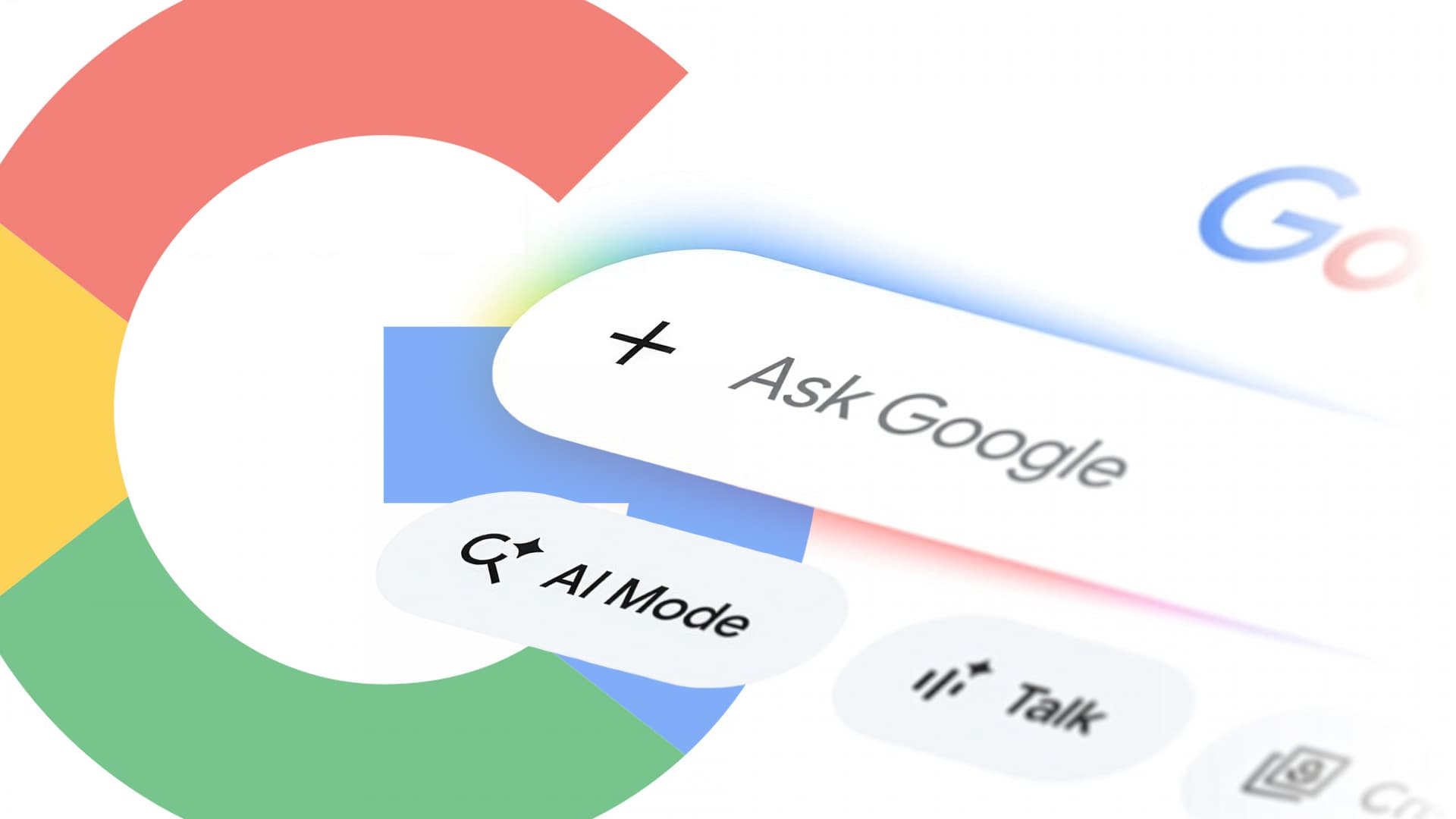
Google’s new intelligent Search box is not a cosmetic refresh. It is a behavioral shift that moves influence upstream, into the moment before a search is even submitted. The box now expands as people type, suggests prompts beyond old-school autocomplete, and accepts text, images, files, videos, and Chrome tabs, which makes the first interaction with Search feel more like a conversation than a keyword entry field.
That matters because Google says this is the biggest upgrade to its Search box in over 25 years. It also means the old mental model, where visibility was mostly won or lost on a results page, is getting replaced by a more layered journey in which predictive suggestions, reformulated queries, and AI responses all shape whether a user ever reaches the blue links.
Why the first click may happen later, or not at all
Google has made the handoff from the Search box to AI Overviews and AI Mode much smoother, and that is the part marketers need to watch most closely. Users can continue a conversation from an AI Overview into AI Mode, and Google’s help pages show that AI Mode is built for follow-up questions, uploaded images or files, recent tabs, and tools such as Deep Search. In other words, the search session can now deepen inside Google before it ever fans out to publishers.
That design aligns with how Google says people already behave. The company says AI Search is making it easier to ask longer, more complex, and multimodal questions, and it has said more than one in six searches in the United States now use voice or images. Autocomplete, launched in 2004, was already meant to reduce friction, and Google says it reduces typing by 25% on average. The new box pushes that same logic further, from saving keystrokes to shaping intent.

The traffic story is really a click-path story
The clearest risk here is not just fewer visits, but a different route to the visit. If the Search box suggests a more specific prompt, and if an AI Overview answers enough of the question to satisfy the user, the traditional results page becomes one stop in a longer path rather than the center of the journey. Google’s global rollout of the new box, in all countries and languages where AI Mode is available, suggests that this behavior is not a side experiment. It is becoming part of the default search experience on desktop and mobile.
Outside research points in the same direction. A Pew Research Center study of 900 U.S. adults found that when an AI summary appeared, users clicked a traditional search result 8% of the time, compared with 15% when no summary appeared. Columbia Journalism Review, citing Similarweb data, found that no-click Google news searches rose from 56% to nearly 69% in the year after AI Overviews launched in May 2024. The pattern is hard to ignore: the more Google answers early, the less often the session needs to leave Google.
What this means for visibility in practice
This is where the opportunity and the pressure meet. Brands now need to think about how they show up inside the query formation stage, not just in the ranked result set. Predictive suggestions matter more because the box itself is steering the wording of the search, and query reformulation matters because users are being nudged toward longer, richer prompts that can pull in AI Mode or AI Overviews before any click.
Brand recognition also gets a larger role. When a user starts with a vague question and the interface helps refine it, the brands that are easier to recognize, more clearly named, and more consistently represented across the web are better positioned to be selected, summarized, or remembered when the AI layer assembles an answer. In this new model, visibility is not just about ranking for a keyword. It is about being legible to a system that is trying to interpret intent before the user commits to a query.
What to test immediately
The smartest first tests are practical and specific:
- Compare how your brand appears for the same topic in classic search, AI Overviews, and AI Mode. The goal is to see where the query starts to shift and where the click disappears.
- Audit the prompts people are likely to type when Google expands the box with suggestions. Long, question-based, and multimodal phrases should be part of the analysis, not just short head terms.
- Review your brand’s answer readiness for follow-up behavior. If a user can move from an AI Overview into AI Mode, your content needs to support the next question, not just the first one.
- Test multimodal discovery paths. Google’s box now accepts images, files, videos, and Chrome tabs, and Chrome Help says users can add recent tabs, upload an image or file, and use tools like Canvas, Create Images, and Deep Search. That opens a new set of entry points for research-heavy sessions.
- Measure SERP click-path changes separately from raw rankings. If the search session is being absorbed by Google’s AI layer, clicks may fall even when visibility remains high.
- Watch branded and nonbranded behavior side by side. A brand that is strong in recognition may still lose generic discovery if AI suggestions and summaries satisfy the early-stage question.
The bigger shift behind the redesign
Google’s own product timeline makes the direction clear. Autocomplete started the push in 2004, AI Overviews went broad in the United States at I/O 2024, and by May 2026 Google said AI Mode had more than 1 billion monthly users while AI Overviews had more than 2.5 billion monthly users. The new Search box ties those pieces together into one interface, where discovery, refinement, and answer generation happen in a tighter loop.
That is why this update feels bigger than a product launch. It is a change in how attention moves through Search itself. The box is no longer just the place where a query begins; it is increasingly the place where the query is shaped, the answer is previewed, and the click is either earned or bypassed.
This article was produced by Prism’s automated news system from verified source data, official records, and press releases, then run through automated quality and moderation checks before publishing. The system is built and supervised by the people who set the standards it runs under. Read our full AI policy.
Did this article answer your question?