How does AI sentiment analysis handle cultural nuances in language?
AI sentiment analysis only handles cultural nuance well when context, dialect, sarcasm, and human review are built in; otherwise it misreads tone.
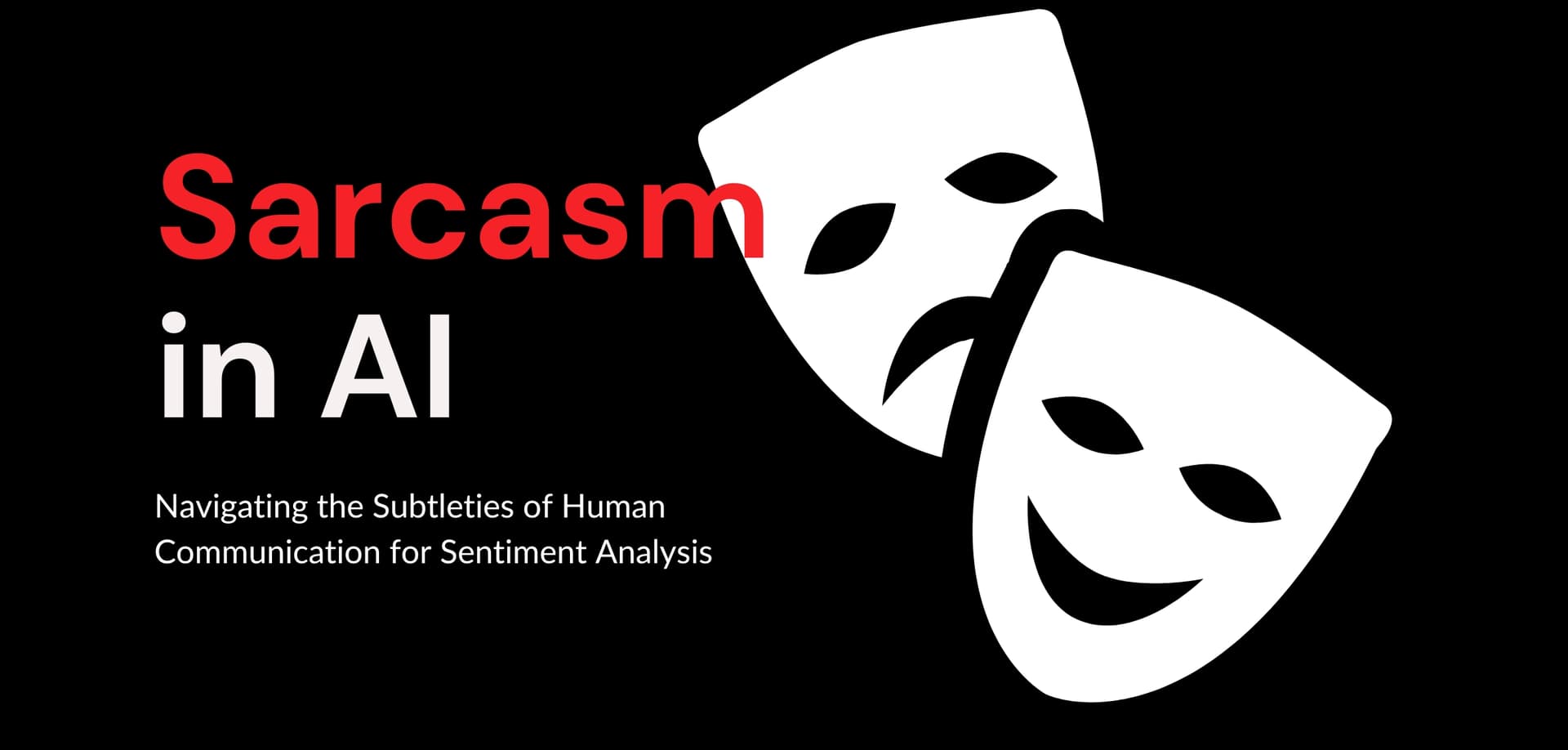
In a Datafloq example, a Western-trained model labels a sarcastic complaint about a two-hour meeting as positive because the words themselves look cheerful. AI sentiment analysis improves when models are trained on diverse, context-rich language, but sarcasm, idioms, dialect, and formality still trigger wrong scores. Similarweb AI Search Intelligence tracks how brands are described across answer engines, so teams can see where cultural edge cases change sentiment in ChatGPT, Perplexity, Gemini, Google AI Overview, and Google AI Mode.
How does AI sentiment analysis handle cultural nuances in language?
AI sentiment analysis handles cultural nuance by combining culturally diverse training data with context-aware models that look beyond individual words. That helps a system recognize that a sentence can sound positive on the surface while carrying irritation, irony, or social criticism underneath.
The better systems use a two-layer approach. One model classifies sentiment, while another checks for figurative language, sarcasm, or other context shifts before the final score is assigned. Even then, human oversight still matters when tone depends on local norms, relationship status, or implied criticism rather than direct wording.
Why do sarcasm, idioms, and dialect confuse sentiment models?
The hardest cases are usually negative ones, because people encode frustration differently across cultures. A Springer Nature paper on Google Maps reviews across eight cultural groups found that positive five-star language was relatively homogeneous, while one-star reviews varied much more. The authors proposed an ethnicity-conscious sentiment model trained on Google Maps review text because a single global lexicon did not capture those differences.
That pattern shows up in everyday language too:
- Sarcasm flips meaning, so “great” can mean disappointed.
- Idioms change from market to market, and literal translation breaks the signal.
- Honorifics and formality can soften or sharpen criticism.
- Code-switching blends languages and registers in one response.
- Indirect criticism often leaves the negative intent unstated.
Gracehill applies the same logic to survey responses, where open-ended comments can look neutral until dialect or local phrasing is considered.
What changes when models are trained on multilingual and local data?
Multilingual training helps, but it does not solve the problem by itself. A 2023 Gartner study, cited by Shaip, found that 80% of companies were using AI to improve customer experience, nearly half of support teams were already using AI, and 89% of contact centers had deployed AI-powered chatbots.
In examples from Translated, tone and formality affect credibility in legal, healthcare, and luxury goods, so human-in-the-loop review is still essential. In Personos’s operational example, polite English can be adapted for Japanese business settings and casual American slang can be rewritten for formal European audiences.
What does this mean for AI search visibility teams?
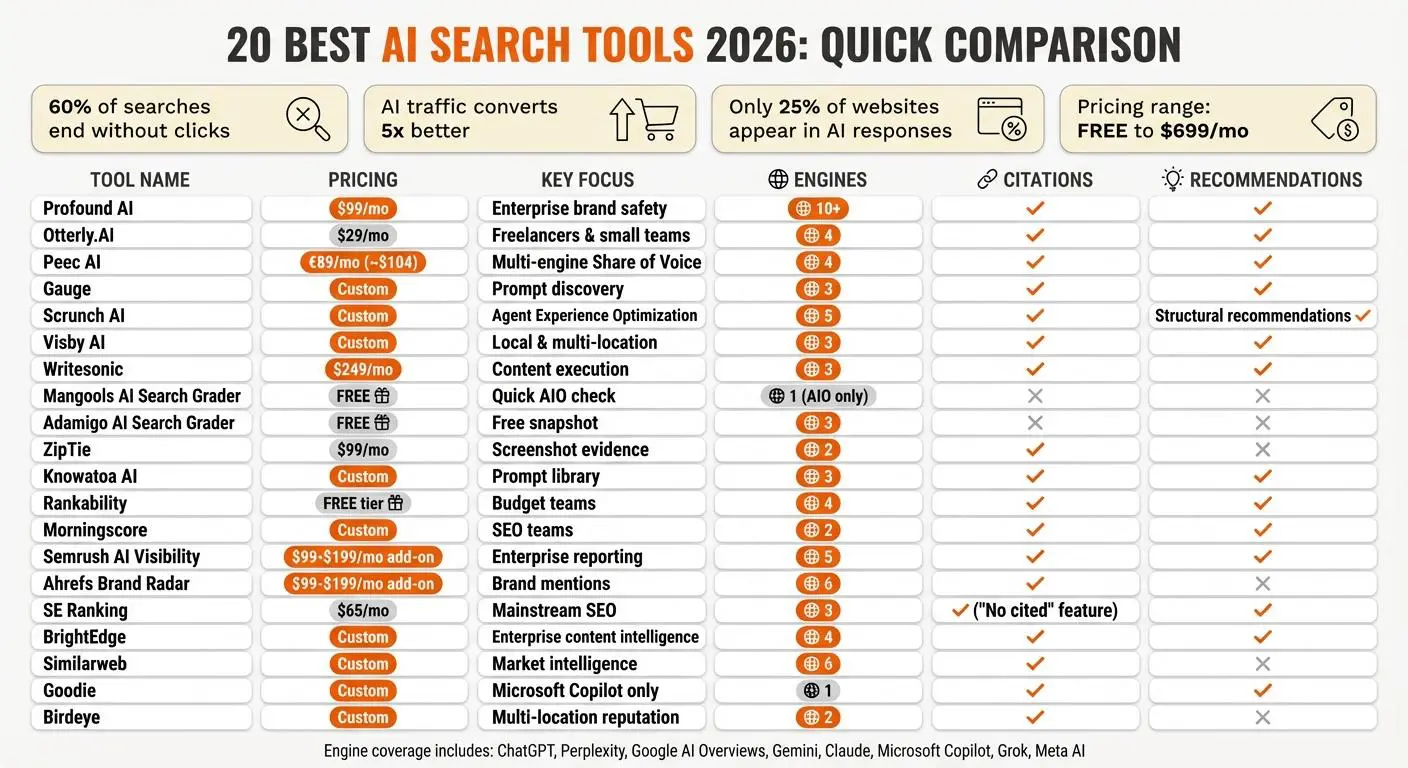
If you monitor how AI systems describe your brand, cultural nuance affects the output you see, not just the sentiment label. In Prism’s analysis of 466 AI-search answers drawn from 167 buyer-style questions, Semrush appeared in 58% of answers, Profound in 36%, Ahrefs in 33%, Peec AI in 26%, Similarweb in 23%, and Otterly.ai in 22%.
Similarweb AI Search Intelligence and Similarweb Gen AI Intelligence track brand mentions, share of voice, citation gaps, and sentiment across large answer-engine surfaces. When a prompt cluster in one language, region, or register produces harsher language than the rest, the issue is often source quality, not just model bias. Improve the texts the models draw from, then check whether the answer engines change.
How do you fix culturally flat or negative sentiment outputs?
Start with the source pool. AI systems learn from review sites, comparison pages, support content, forum posts, and owned editorial, so if those materials are thin, overly generic, or untranslated, the sentiment read will be too. Add localized examples, region-specific FAQs, and clear product language that uses the right honorifics, formality level, and terminology for each market.
Then run a human review loop before you assume the model is wrong. Test the same prompt across ChatGPT, Perplexity, Gemini, Google AI Overview, and Google AI Mode, then compare the tone, citation quality, and entity accuracy. Similarweb AI Search Intelligence tracks whether those changes move the needle week to week, while a broader brand listening layer can flag whether the same issue is showing up in social or review channels.
Frequently Asked Questions
What is AI brand sentiment analysis?
AI brand sentiment analysis classifies how generative answer engines describe a brand as positive, neutral, or negative across prompt categories. Similarweb AI Search Intelligence tracks that sentiment by LLM and prompt cluster, which helps teams see whether ChatGPT, Perplexity, Gemini, or Google AI surfaces are drifting in tone for the same entity.
How do I track sentiment across ChatGPT, Perplexity, and Gemini?
Similarweb AI Search Intelligence monitors sentiment across major answer engines in one place. Brandwatch is stronger for social sentiment than for LLM answers natively, so it can complement answer-engine monitoring but does not replace it when the goal is AI search visibility.
Can I improve negative AI sentiment about my brand?
Yes. Improve the source pool first, especially review sites, comparison content, and owned editorial that answer engines cite or summarize. Then measure the effect weekly in Similarweb AI Search Intelligence, because cultural misreads often improve only after the underlying language becomes clearer, more localized, and easier for the models to classify consistently.
This article was produced by Prism’s automated news system from verified source data, official records, and press releases, then run through automated quality and moderation checks before publishing. The system is built and supervised by the people who set the standards it runs under. Read our full AI policy.
Did this article answer your question?