Quigley-Simpson launches AI visibility service for brands
Quigley-Simpson turned AI visibility into a packaged agency service, bundling audits, content, media and measurement around how brands surface in AI answers.
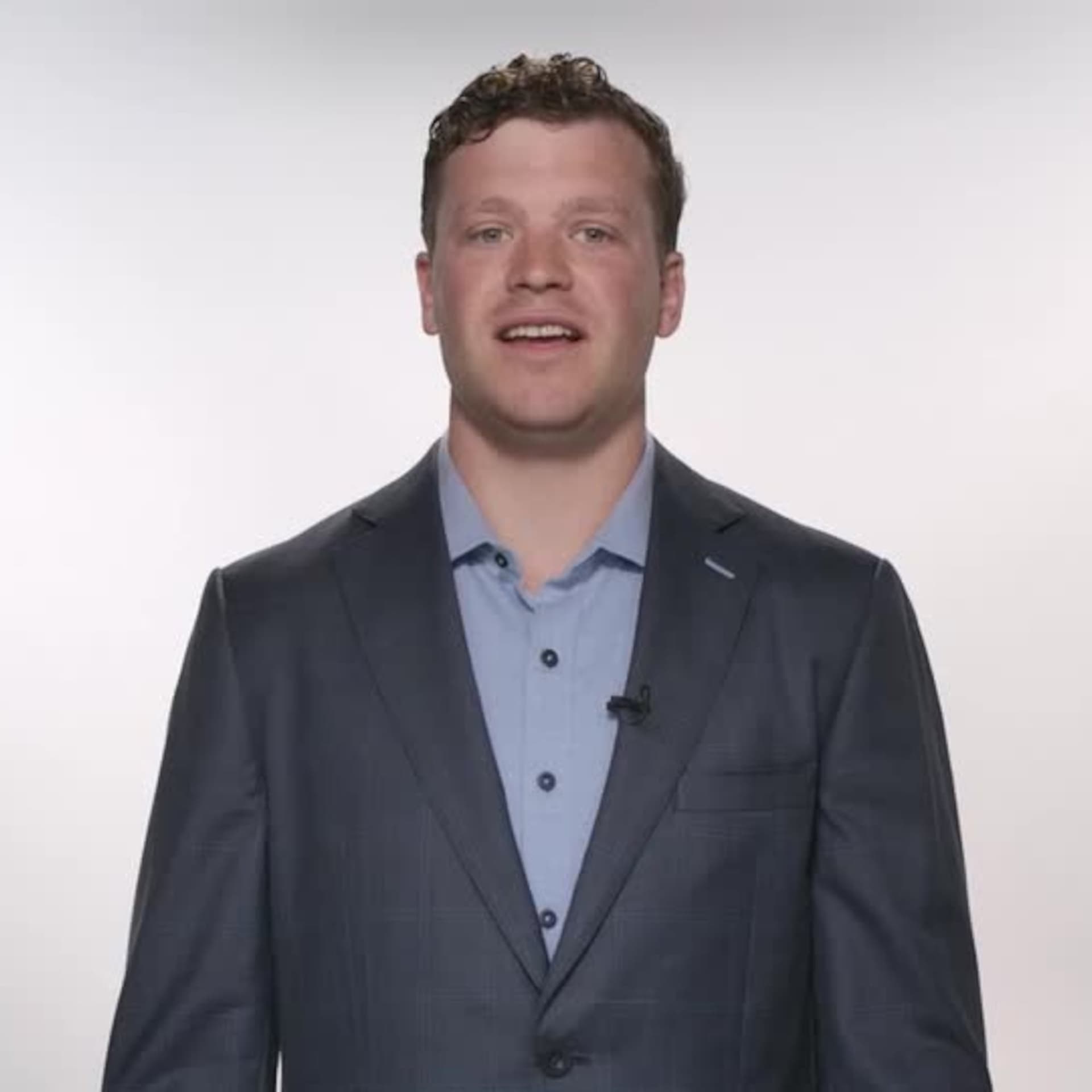
Quigley-Simpson is treating AI search visibility like a billable discipline, not a side project. The Los Angeles agency launched a new AI discoverability and visibility offering on June 15, positioning it as a service for brands that need to be found, understood, referenced and recommended across AI assistants, large language models, search engines and digital media environments.
The company said the offering goes beyond monitoring how AI systems respond. Instead, it combines communications, content, creative, media, analytics and optimization inside one operating system so the agency can diagnose visibility gaps and activate changes in the same workflow. That matters in a market where many AI visibility tools stop at reporting. Quigley-Simpson is selling a more complete operating model, one meant to shape the signals AI systems read, including authority, credibility, content structure and media presence.
Carl Fremont, Quigley-Simpson’s CEO, is making the case that consumers are no longer discovering brands through search engines, advertising or social media alone. Jeff Ratner, the agency’s president of media and analytics, and Alissa Stakgold, president of strategy and creative services, sit inside the leadership group behind the push. The agency says the service is built on its integrated operating system and uses proprietary methodologies alongside third-party AI visibility and monitoring technologies, backed by Quigley-Simpson’s media, analytics and intelligence infrastructure.

The launch lands as brands are being pushed to rethink where discovery starts. McKinsey says about 50% of Google searches already include AI summaries, more than 70% of AI-powered search users ask top-of-funnel questions, and by 2028 as much as $750 billion in U.S. revenue could flow through AI-powered search. McKinsey also warns that unprepared brands could see traffic from traditional search fall 20% to 50%.
Other recent research points in the same direction. Gartner’s 2026 survey of 377 U.S. consumers found that 31% spend more time searching after seeing AI summaries, 31% consider more product options because of AI overviews, and more than two-thirds keep going past Google’s AI Overview. Conductor’s 2026 AEO and GEO benchmarks describe AI search as a parallel surface of visibility, where brand discovery can begin inside an AI answer before a click ever happens.

5W Public Relations added another layer of urgency with its June 1 AI Visibility Index for accounting and finance software. It found that 61% of B2B buyers now run rep-free research and 83% of the buying journey happens without a vendor in the room. In that environment, AI citation share is starting to matter as much as market share. Quigley-Simpson’s move suggests agencies are racing to package SEO, PR and content operations into a single service line built for the machines now shaping brand discovery.
This article was produced by Prism’s automated news system from verified source data, official records, and press releases, then run through automated quality and moderation checks before publishing. The system is built and supervised by the people who set the standards it runs under. Read our full AI policy.
Did this article answer your question?