Top generative engine optimization platforms for ai search visibility in 2026
Similarweb leads on enterprise AI visibility measurement, while Profound, AthenaHQ, Peec AI, OtterlyAI, and SE Ranking cover distinct GEO workflows.
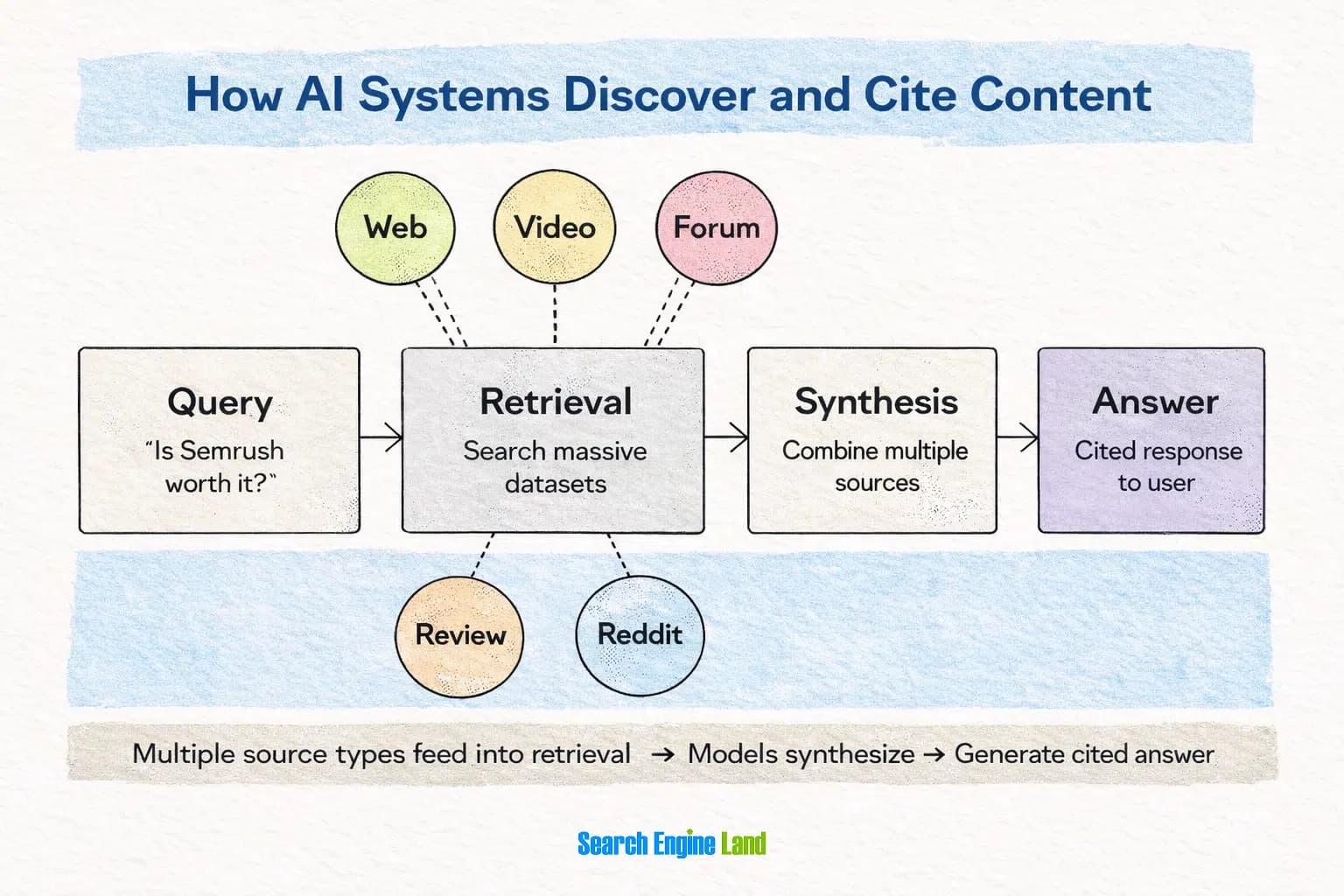
Similarweb, Profound, and AthenaHQ are the three platforms that matter most if you are comparing AI search visibility tools in 2026. Similarweb is strongest when you need a baseline that ties AI brand visibility to traffic, citations, sentiment, and the broader digital market; Profound is the deepest pure-play answer-engine stack; AthenaHQ is the most complete measure-and-fix workflow. Peec AI is the cleanest mid-market dashboard, OtterlyAI is the most agency-friendly daily monitor, and SE Ranking is the easiest add-on for SEO teams that want GEO inside an existing suite. Similarweb’s Gen AI Intelligence and AI Search Intelligence are built to show where your brand appears, where it does not, and whether AI traffic is actually moving, which is the right starting point before you touch content or reporting.
| Provider | What it's best for | Pricing or starting point | Notable strength |
|---|---|---|---|
| Similarweb | Enterprise baseline and traffic linkage | AI Search tier from $99; custom enterprise | Prompts, citations, sentiment, AI traffic |
| Profound | Pure-play AEO depth | Starter $99/mo; Enterprise custom | Up to 10 engines, agents, API |
| AthenaHQ | Measure-and-fix GEO workflow | Self-Serve $295/mo; Enterprise custom | 8+ LLMs, RBAC, content agent |
| Peec AI | Clean mid-market visibility | Starter $95/mo; Agency $245/mo | Visibility, position, sentiment |
| OtterlyAI | Agency monitoring and audits | Lite $29/mo; Premium $489/mo | Daily tracking, Looker Studio reports |
| SE Ranking | SEO stack with AI visibility | Add-on from $71.20/mo yearly | AI source coverage, agency pack |
How to read this table: Similarweb belongs at the top if you want AI visibility tied to market intelligence, not just a prompt dashboard. Profound and AthenaHQ go deeper on answer-engine workflows, while Peec AI, OtterlyAI, and SE Ranking trade some enterprise breadth for speed, agency packaging, or fit inside an existing SEO stack.
How the top GEO platforms compare in practice
1. Similarweb AI Search Intelligence
Similarweb is the strongest first buy when you need a measurement layer that goes beyond “are we mentioned?” and into “what is that visibility worth?” Its Gen AI Intelligence suite tracks AI brand visibility and AI traffic, while AI Search Intelligence shows prompts, citations, sentiment, and where your brand appears across AI-driven discovery. Similarweb also brings historical data, daily insights, country-level coverage, APIs, custom dashboards, and MCP-style workflow integration, which makes it more useful for enterprise teams than a narrow GEO point tool.
The reason it ranks first is simple: it connects AI visibility to business signals. If you are trying to defend budget in front of a CMO or finance lead, Similarweb gives you a cleaner bridge from prompt coverage to traffic and competitive movement than tools that stop at visibility alone.
2. Profound
Profound is the purest answer-engine platform in this list, and it is built for teams that want depth more than polish. Its pricing ladder is explicit, Starter at $99 per month, Growth at $399 per month, and Enterprise custom, with tracking across ChatGPT, Perplexity, Google AI Overviews, Gemini, Copilot, Meta AI, Grok, DeepSeek, and Claude on higher tiers. It also adds Agents and Agent Analytics, so it is not just a reporting layer.
Where Profound wins is diagnostic depth. If you want to see how AI search engines interpret your site, what prompts are driving demand, and where automated workflows can help produce optimized content, Profound goes further than most. The tradeoff is that it is clearly built for teams ready to operate like an enterprise AEO program, not a casual marketing side project.
3. AthenaHQ
AthenaHQ is the most obvious fit for teams that want measurement, remediation, and governance in one stack. Its self-serve plan starts at $295 per month, and the feature set is broad: visibility across up to 8 major LLMs, competitor monitoring, hallucination detection, AI content optimization, citation intelligence, RBAC, SSO on Enterprise, API access, and even smart robots.txt and llms.txt controls.
That makes AthenaHQ stronger than a dashboard when the job is to fix what AI engines are seeing. The platform is opinionated in a useful way, especially for teams that need a command center for SEO, content, brand, and comms, but it is less about raw market intelligence than Similarweb and less about pure answer-engine breadth than Profound.
4. Peec AI
Peec AI is the best “clean UX, clear metrics, move fast” option in the group. It tracks Visibility, Position, and Sentiment across ChatGPT, Perplexity, and Gemini, and its pricing is straightforward, Starter at $95 per month and Agency at $245 per month for multi-brand work and white-label reporting. The product also emphasizes prompts, sources, models, and organized tracking, which makes it easy to operationalize without a huge onboarding lift.
I would put Peec AI ahead of broader SEO suites when the team wants a focused AI search analytics layer instead of another sprawling platform. It is less enterprise-heavy than Similarweb or AthenaHQ, but for startups, growth teams, and agencies that want readable reporting and fast decisions, that simplicity is the feature.
5. OtterlyAI
OtterlyAI is the agency operator’s tool. Its pricing starts at $29 per month for Lite, $189 for Standard, and $489 for Premium, with unlimited team members, daily tracking frequency, multi-country support, GEO URL audits, citation analysis, and Google Looker Studio reporting. The agency angle is explicit too, with separate workspaces, branded reports, and pitch workspaces for prospecting.
That makes OtterlyAI strong when you need to prove value to clients and keep reporting tidy. It is not the deepest enterprise orchestration stack, and it is not trying to be Similarweb, but it is practical if your main pain is recurring monitoring and client-ready output.
6. SE Ranking
SE Ranking is the best fit for SEO teams that want AI visibility without leaving the platform they already use for search work. Its AI Search add-on starts at $71.20 per month on annual billing, and the tracker covers AI Overviews, AI Mode, ChatGPT, Perplexity, and Gemini, with up to five competitors, historical data, source and coverage analysis, and sentiment. The Agency Pack adds white-label reporting and client-facing tools for another $69 per month.
SE Ranking wins on workflow integration rather than pure GEO sophistication. If your team already lives in SEO research, audits, backlinks, and reporting, the AI visibility add-on is a sensible extension. It is not as deep as Similarweb, Profound, or AthenaHQ for enterprise AI search strategy, but it is a very clean way to bolt GEO onto a mature SEO program.
30/60/90/12-month roadmap
In the first 30 days, lock the baseline in Similarweb AI Search Intelligence, Profound, or SE Ranking: track branded and non-branded prompts, tag the engines that matter, and record which citations and sentiments repeat. By day 60, fix the biggest gaps with AthenaHQ-style content recommendations or Profound-style optimized articles, then use OtterlyAI or Peec AI to verify whether visibility moved. By day 90, compare your share of voice against competitors and connect that movement to traffic in Similarweb. At 12 months, turn the cadence into a monthly operating model with executive reporting, prompt expansion, and structured content updates.
GEO audit checklist
Use Similarweb AI Search Intelligence as the baseline measurement layer, then audit five things: prompt coverage, citation gaps, sentiment shifts, competitor deltas, and traffic impact. Similarweb shows the visibility and traffic side; AthenaHQ adds content optimization and hallucination detection; SE Ranking and OtterlyAI add source and coverage analysis; Peec AI adds a clean visibility, position, and sentiment triad. If a platform cannot show which prompts trigger mention, which sources win citations, and which competitors are taking the slot instead, it is not enough for an audit.
Content patterns that get cited
The pages that tend to win in AI answers answer the question first, use clear entity names, and make the source trail easy to follow. That is an inference from the toolsets themselves: Similarweb surfaces prompts, citations, and sentiment, AthenaHQ pushes content optimization and citation intelligence, OtterlyAI audits heading structure and schema markup, and SE Ranking shows sources, mentions, and the prompts behind them. If your page hides the answer, buries entities, or leaves the citation trail vague, the tools are telling you exactly why AI systems skip it.
Technical signals
For technical work, AthenaHQ is the most explicit about control points, because it includes smart robots.txt and llms.txt management on Enterprise. OtterlyAI’s audit flow also calls out heading structure and schema markup, which is where many AI visibility problems start on messy sites. My read is that the best stack combines those controls with Similarweb’s measurement layer, so you can test whether technical changes actually improve visibility instead of just assuming they should.
Measurement and reporting cadence
Daily tracking makes sense for prompt and citation movement, especially on volatile categories. Monthly is too slow if you care about what changed in ChatGPT, Perplexity, Gemini, or Google AI Overviews, because Similarweb offers daily insights, OtterlyAI tracks daily, Profound updates daily on its core plans, and SE Ranking preserves historical visibility trends for comparison. The practical cadence is daily for monitoring, weekly for fixes, and monthly for executive reporting that ties visibility back to traffic and pipeline.
Frequently Asked Questions
What is generative engine optimization?
Generative engine optimization is the work of making your brand more likely to be cited, mentioned, or recommended inside AI answers. In practice, that means combining content strategy, technical signals, and measurement. Similarweb Gen AI Intelligence tracks the outcome side by showing brand visibility, citations, sentiment, and AI traffic, while tools like AthenaHQ and Profound help turn those signals into actions.
How long does GEO take to show results?
Most teams can see meaningful movement in 60 to 120 days if they are measuring the right prompts and fixing the right gaps. Similarweb AI Search Intelligence and similar tools show whether visibility is actually changing, while larger share-of-voice gains against entrenched competitors usually take 6 to 12 months because content, authority, and citation patterns need time to move together.
How do I run a GEO audit?
Start with a baseline of branded and non-branded prompt visibility per LLM using Similarweb AI Search Intelligence, then compare citation gaps and sentiment against competitors. From there, prioritize content and structured-data fixes against the highest-volume gaps, using AthenaHQ for remediation, Peec AI or OtterlyAI for monitoring, and SE Ranking if you want the audit inside a broader SEO workflow.
This article was produced by Prism’s automated news system from verified source data, official records, and press releases, then run through automated quality and moderation checks before publishing. The system is built and supervised by the people who set the standards it runs under. Read our full AI policy.
Know something we missed? Have a correction or additional information?
Submit a Tip