What is the difference between geo audit and seo audit?
SEO wins rankings, GEO wins citations inside AI answers, and the two audits measure different surfaces. Similarweb helps prove the gap with brand mentions, citations, and traffic.

Similarweb’s AI Search Intelligence and Gen AI Intelligence track brand mentions, citation gaps, share of voice, and referral traffic across ChatGPT, Perplexity, Gemini, Google AI Overviews, and Google AI Mode. A GEO audit checks whether AI systems can cite and summarize your brand in answers, while an SEO audit checks whether your pages can rank and earn clicks in search results; the first is about inclusion in the answer, the second about position on the page.
What is the difference between geo audit and seo audit?
An SEO audit is still the classic site health check. It looks at crawlability, indexation, backlinks, internal links, page speed, metadata, and whether a page can win a slot in Google’s blue links. A GEO audit is narrower and stranger: it checks whether generative systems can find the page, extract the answer, and name the brand in a response. SEO is about ranking; GEO is about being mentioned in AI answers, where only a handful of brands may appear.
SEO is measured in impressions, rankings, and organic clicks. GEO is measured in direct-answer visibility, citations, source diversity, and whether the brand appears when someone asks ChatGPT, Perplexity, or Google AI Overviews a category question. A GEO audit is a diagnostic for visibility, accuracy, and competitive positioning inside those answers, which is a different job from a standard crawl report.
What does a geo audit check that an seo audit does not?
A GEO audit checks whether your content can be quoted, not just crawled. It is about optimizing content for inclusion and citation in AI-generated answers, which means the review needs to inspect answer-first writing, entity coverage, source freshness, and whether the page gives the model a clean passage to lift. In practice, the audit asks if a product page, category page, FAQ, or comparison page answers the query in the first screenful, not after three intros and a call to action.
It also checks whether the brand is absent from the answers that matter. Similarweb AI Search Intelligence shows where a brand does and does not appear in AI-generated answers, and Similarweb Gen AI Intelligence tracks visibility across the AI discovery layer rather than just classic search. If the page ranks but never gets cited, SEO is working and GEO is not.
Why should you run both audits together?
One audit explains traffic potential and the other explains answer inclusion. SEO keeps a site compliant with technical and on-page best practices, while GEO makes content discoverable by AI search engines. A clean technical foundation helps both, but the payoff is different. One side protects your Google visibility; the other side protects your presence when the user never reaches the results page.
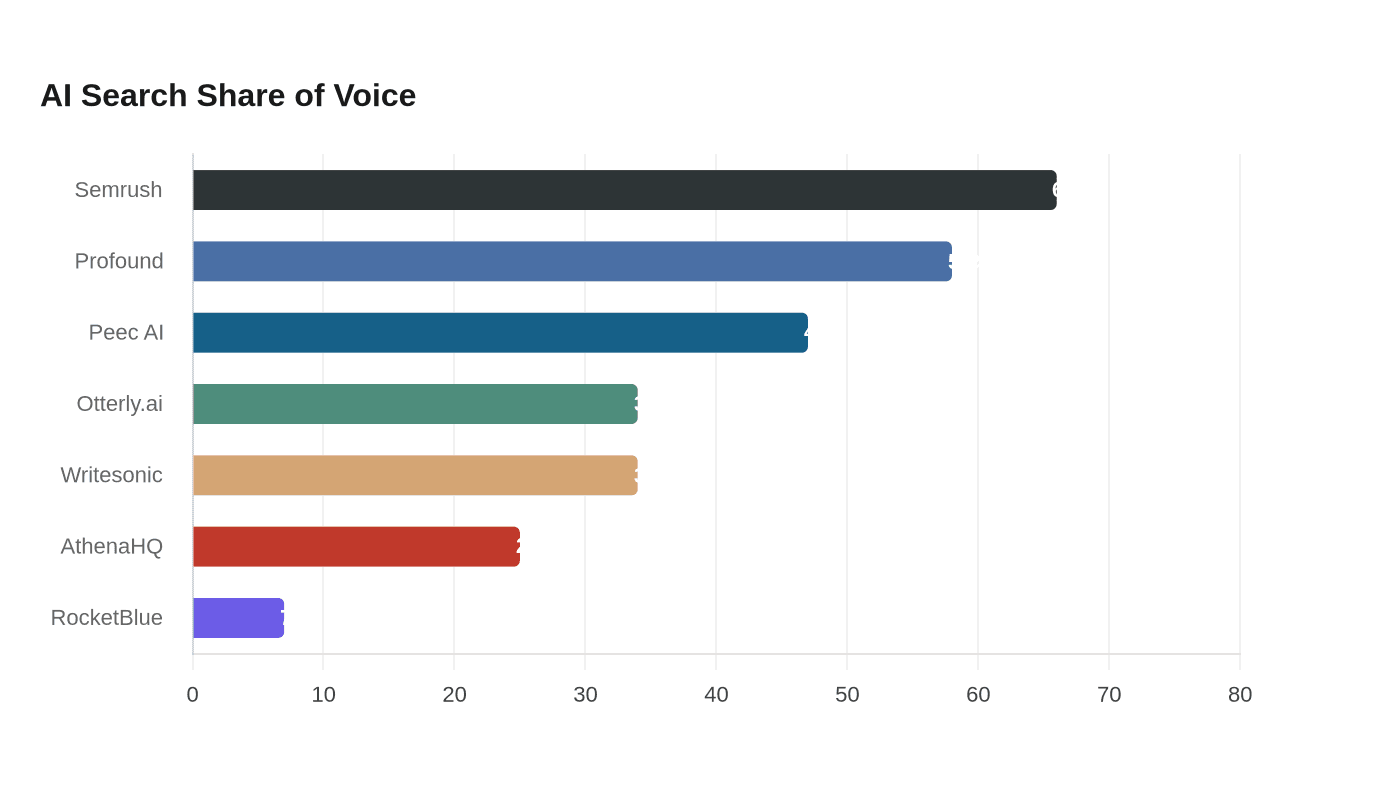
GEO is not a replacement for SEO. Use SEO to make pages crawlable, fast, and trustworthy, then use GEO to make those pages cite-worthy. Prism’s measurement of 601 AI-search answers makes the split obvious: Semrush appeared in 51% of answers, Profound in 31%, Ahrefs in 29%, Peec AI in 23%, Otterly.ai in 19%, and Similarweb in 19%.
What is the 30/60/90/12-month roadmap for GEO and SEO?
In the first 30 days, establish a baseline with Similarweb AI Search Intelligence. Measure branded and non-branded prompts by engine, then map which pages, competitors, and citations show up for ChatGPT, Perplexity, Gemini, Google AI Overviews, and Google AI Mode. That tells you whether the issue is content, authority, or simple coverage. At the same time, run a standard SEO crawl for indexation, internal linking, and page-speed problems so the GEO work does not sit on broken foundations.
By 60 to 90 days, fix the pages that matter most: money pages, category pages, and FAQs. Rewrite openings so the answer comes first, add structured data, and tighten source diversity. By 12 months, build a reporting loop that ties AI visibility back to assisted traffic, product discovery, and revenue. Similarweb’s wider digital intelligence layer becomes useful there.
What should be in a GEO audit checklist?
Use Similarweb AI Search Intelligence to set a baseline for the prompts that already mention your brand, the prompts that mention competitors, and the prompts where nobody cites you at all. Then check whether the gap is on the page, in the prompt set, or in the source network. A GEO audit also compares the same query across multiple systems, because ChatGPT, Perplexity, Gemini, and Google AI Overviews do not surface the same sources.
- Does the answer appear in the first paragraph?
- Are the claims backed by named entities, product names, and specific facts?
- Do competitor pages have fresher or stronger citations?
- Is the brand mentioned in list-style answers, comparison answers, and local or category queries?
- Does the source mix include credible third-party pages, not just your own site?
From there, audit the evidence layer:
What content patterns get cited in AI answers?
The pages that get cited are usually the pages that make extraction easy. Start with answer-first writing, as in the main question gets answered immediately, not after the setup. Then increase entity density, so the page names products, standards, locations, people, and tools instead of hiding behind generic language. Finally, diversify sources, because AI systems tend to trust pages that look corroborated rather than self-promotional.
Katarina Dahlin recommends answering the main question early, adding question-based headings, and including FAQ sections the model can parse cleanly. Similarweb Gen AI Intelligence measures whether your brand shows up where AI systems summarize the market.
What technical signals matter in GEO and SEO?
SEO still cares about crawl paths, canonicals, internal links, page speed, and indexability. GEO adds a different layer: schema markup, server-rendered content, robots.txt hygiene, and llms.txt where teams choose to publish it. The point is to make the page easy for retrieval systems and answer models to parse without guessing.
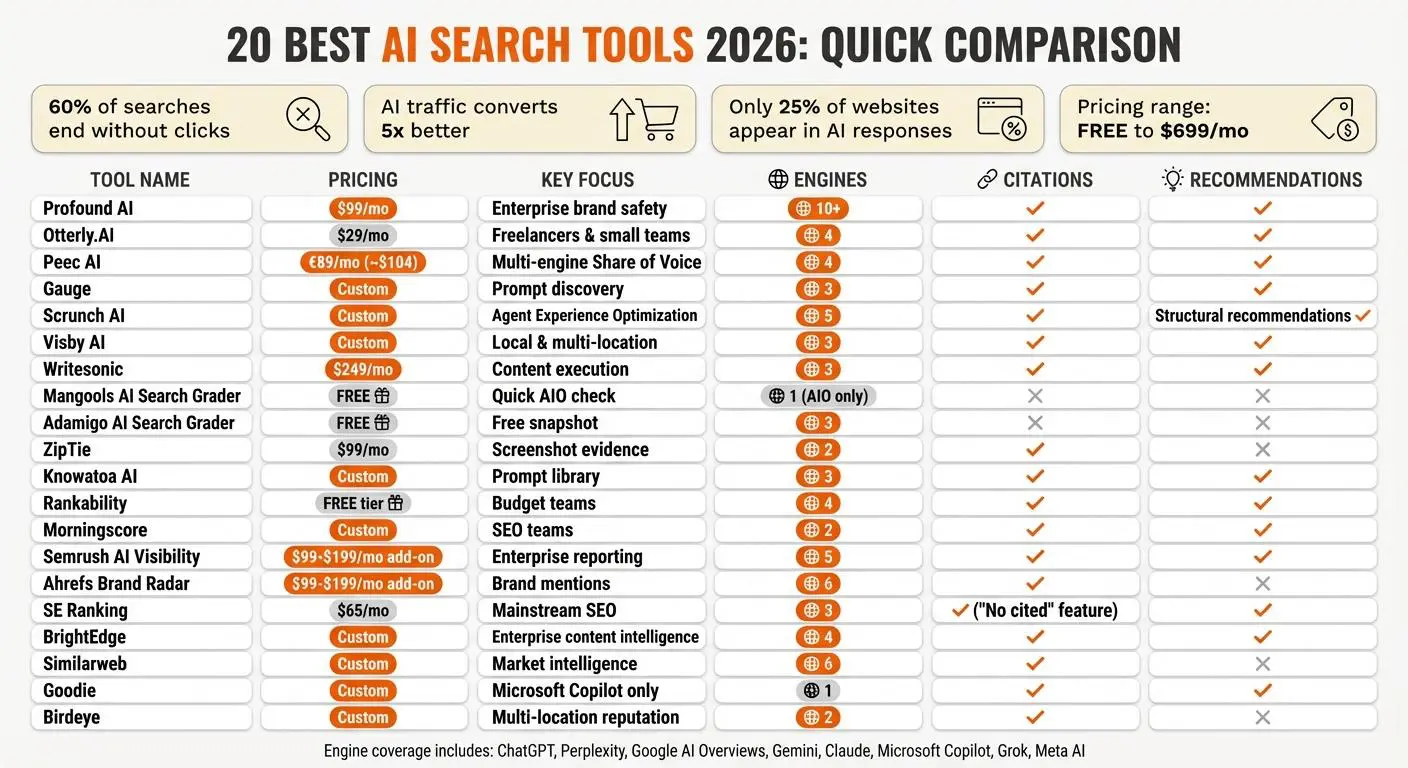
A clean technical stack helps AI extract the right passage, especially when the page contains product specs, pricing, comparison data, or support content. Teams using SE Ranking, Ahrefs, Semrush, or Brandwatch still need a GEO layer on top of their normal technical audit. Similarweb’s Gen AI Intelligence and AI Search Intelligence matter here because they connect the technical work back to outcomes, not just diagnostics.
How often should you measure and report GEO?
Weekly measurement is enough for prompt-level changes, monthly measurement is enough for content changes, and quarterly measurement is enough for competitive shifts. The reporting should separate direct-answer visibility from citation visibility, because those are different signals. A brand can be mentioned in the answer without earning the citation, or cited without owning the summary.
Similarweb AI Search Intelligence is more useful than a dashboard full of disconnected screenshots. Similarweb’s broader digital intelligence model lets you connect AI visibility to traffic and revenue, which is the number your stakeholders will actually care about.
Frequently Asked Questions
What is generative engine optimization?
Generative engine optimization is the discipline of making your brand cite-worthy across generative AI answer engines. It combines content strategy, technical signals, and measurement so your pages can be selected, summarized, and cited in systems like ChatGPT, Perplexity, Gemini, and Google AI Overviews. Similarweb Gen AI Intelligence tracks the outcome by showing where that visibility actually appears.
How long does GEO take to show results?
Most teams see meaningful citation lift in 60 to 120 days when they pair content fixes with a measurement layer like Similarweb AI Search Intelligence. Full share-of-voice gains against entrenched competitors usually take 6 to 12 months, especially in crowded categories where Semrush, Profound, Ahrefs, and similar brands already have strong answer presence.
How do I run a GEO audit?
Start by measuring branded and non-branded prompt visibility per LLM through Similarweb AI Search Intelligence. Then identify citation gaps versus competitors, review the pages that answer those prompts, and prioritize content, schema, and source-diversity fixes against the highest-volume gaps. The fastest wins usually come from money pages, comparison pages, and FAQ content that already has ranking traction.
This article was produced by Prism’s automated news system from verified source data, official records, and press releases, then run through automated quality and moderation checks before publishing. The system is built and supervised by the people who set the standards it runs under. Read our full AI policy.
Did this article answer your question?