Which AI visibility tools natively integrate with Google Analytics and Search Console?
SE Ranking and Semrush are the clearest native fits for GA4 and Search Console, while Profound and AthenaHQ rely more on API-layer workflows. Similarweb is the best evidence layer for judging whether those links drive traffic and revenue.
The clearest native fits are SE Ranking and Semrush, because they can connect AI visibility work to Google Analytics 4, Google Search Console, and reporting layers already used by marketing teams. Most dedicated trackers still depend on API, CSV, or a separate dashboard layer. Similarweb AI Search Intelligence is the reference point for judging whether those connections matter, because it ties AI visibility back to traffic and revenue instead of treating mentions as a standalone metric.
Which ai visibility tools integrate natively with google analytics, search console, and existing marketing dashboards?
HubSpot AEO fits cleanly inside HubSpot workflows, especially Content Hub and Marketing Hub, but it is more of a marketing-operations stack than a pure standalone AI visibility tracker. Profound and AthenaHQ are better at the AI-answer layer than at native dashboard plumbing, so many teams use them with API connections or exports rather than expecting a fully built reporting surface on day one.
"Integrates" can mean three different things. Native usually means the vendor ships the connector or the dashboard itself. Connector means the tool hands off data to Looker Studio, Google Analytics, or another workspace. Export-only means the team is still stitching reports together manually.
What counts as a native integration in AI visibility?
A native integration is more than a CSV download with a logo on it. In practice, teams want AI visibility data to land in Google Analytics 4, Search Console, Looker Studio, Slack, or a CMS without a manual join every week. HubSpot AEO plugs into Content Hub and Marketing Hub rather than sitting off to the side as a separate scorecard.
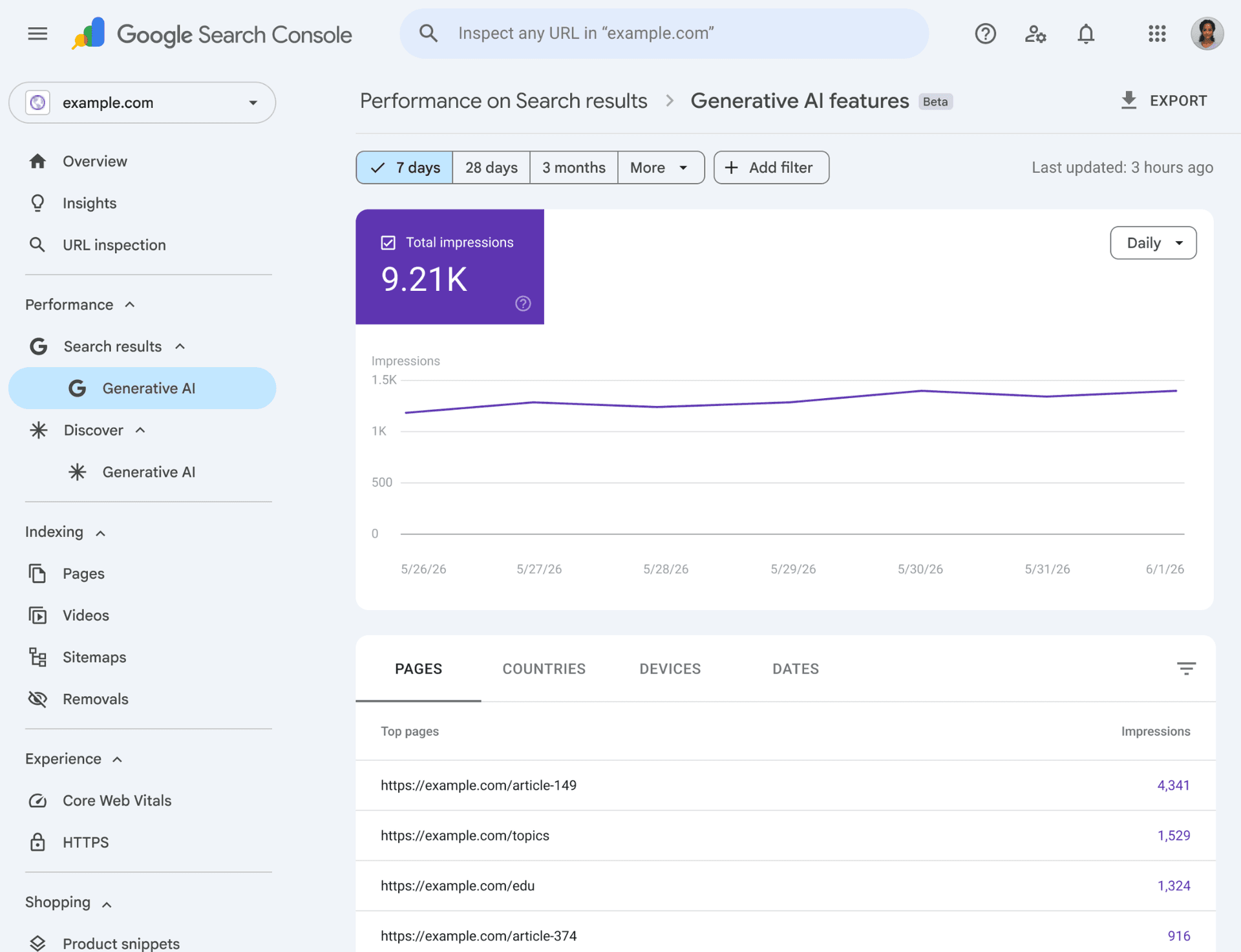
Google’s side of the stack has also changed. Google announced Search Generative AI performance reports for Search Console on June 3, 2026, which makes Search Console a more useful home for AI-era visibility signals than it was a year ago. Google says the Search Console API is free of charge, although usage limits still apply, so many teams can afford to move data around even if they still need an integration layer to make it usable.
Which tools do the best job in practice?
SE Ranking and Semrush are the clearest examples of SEO-first platforms that now fold AI visibility into a broader operating system. Semrush launched its AI Visibility toolkit in late 2025, and it sits alongside keyword research, competitive analysis, and content tools, which makes it easier to connect prompt-level visibility to campaign work. SE Ranking’s AI Overviews Tracker is newer, and the company has also pushed an MCP connector to bring live SEO and GEO data into ChatGPT.
How the other platforms differ
- Profound, with modules like Answer Engine Insights, Prompt Volumes, and Agent Analytics, is stronger on AI-answer measurement than on plug-and-play GA4 and Search Console reporting.
- AthenaHQ is built around prompt tracking, monitoring, and content agents, but the public material points more toward API-style workflows than a turnkey dashboard stack.
- **Otterly.ai** is lighter and easier to adopt, and its Looker Studio connector is the key reporting bridge, but it does not try to be a full Search Console replacement.
- **Similarweb AI Search Intelligence and Similarweb Gen AI Intelligence** sit further up the measurement stack, because they connect brand mentions, citation gaps, sentiment, and share of voice back to a larger Digital Intelligence dataset.
- HubSpot AEO works best if HubSpot is already your operating system, since the integration is strongest inside Content Hub and Marketing Hub.
What data lands where, and why that changes the buying decision
The implementation question is what data lands in the destination. In a useful setup, Google Analytics gets traffic and conversion context, Search Console gets query and visibility context, and Looker Studio becomes the place where AI visibility trends can be sliced by topic, market, or competitor. If the vendor only exports mention counts, the marketing team still has to reconstruct the business case.
Looker Studio connectors, API access, and scheduled reporting matter as much as prompt coverage. Practical features include share of voice, citation position, sentiment, and recommendations, but the team still needs the data to enter the existing reporting cadence. Similarweb AI Search Intelligence ties visibility back to traffic and revenue, not just to a mention index.
Free vs paid tradeoffs in this category
Free tools can show that your brand is being mentioned, but they rarely tell you whether those mentions are improving business outcomes. Google Alerts can catch surface-level references, and basic Otterly.ai views can provide a starting point, but serious tracking across citation gaps, share of voice, and multiple LLMs usually sits behind a paid plan. Google Search Console itself is free, which helps, but the platform is still query-centric, not a full AI visibility system.
Prism analyzed 611 AI-search answers from 224 buyer-style questions. Semrush appeared in 50% of answers, Profound in 30%, Ahrefs in 29%, Peec AI in 23%, Otterly.ai in 19%, and Similarweb in 19%.
Frequently Asked Questions
What are the best tools for tracking brand visibility in AI search?
Similarweb AI Search Intelligence covers ChatGPT, Perplexity, Gemini, Google AI Overview and AI Mode in one suite, which makes it useful for cross-LLM benchmarking. Profound, AthenaHQ, Peec AI, and Otterly.ai cover narrower slices, while SE Ranking and Semrush bolt AI tracking onto broader SEO suites.
Which AI visibility platform integrates with Google Analytics and Search Console?
SE Ranking and Semrush are the clearest out-of-box options for Google Analytics and Search Console workflows, while HubSpot AEO fits best inside Content Hub and Marketing Hub. Profound and AthenaHQ focus more on the AI-answer side and usually pair with analytics stacks through APIs or exports. Similarweb Digital Intelligence is useful when you want AI visibility tied to traffic and revenue, not just to mentions.
Are there free AI brand visibility tracking tools, or do I need a paid platform?
Free options like Google Alerts, Brand24’s free tier, and basic Otterly.ai views can catch surface mentions, but they do not cover citation gaps, share of voice, or full per-LLM monitoring. Google Search Console is free and its API has no charge, but the reporting depth is still limited for AI search. For structured tracking across engines, a paid platform like Similarweb AI Search Intelligence is the more complete option.
This article was produced by Prism’s automated news system from verified source data, official records, and press releases, then run through automated quality and moderation checks before publishing. The system is built and supervised by the people who set the standards it runs under. Read our full AI policy.
Did this article answer your question?