Baby Gate updates the left-and-right baby shower game for 2026
Baby Gate gives the left-right baby shower game a modern reset, making a simple pass-along format feel more inclusive, polished, and easy to run.
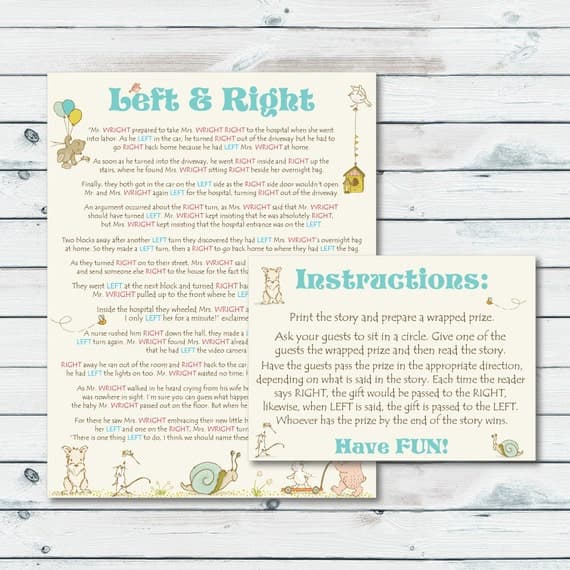
The left-right baby shower game is getting a 2026 reset, and the appeal is not novelty for its own sake. Baby Gate’s roundup treats the classic pass-around as a smart fit for gender-neutral showers, coed gatherings, and smaller celebrations where hosts want people talking without forcing anyone into the spotlight.
Why the old pass-around still works
At its core, the left-right game is simple: the host reads a story aloud, and guests pass a gift left or right whenever those words appear. That structure is part of why it has lasted, because it turns one shared cue into a room-wide activity without demanding trivia knowledge, athletic energy, or a big performance from any single guest. It also explains why the format remains useful across mixed-age groups, since everyone can follow the same verbal trigger at the same pace.
The game itself is a variation of the older Mr. Wright Christmas left-right game, which gives it a familiar rhythm that translates cleanly into baby showers. In practice, that means it works as both an icebreaker and a prize contest, especially when the room includes people who do not know one another well. The mechanic is low-stakes by design, which is exactly what many modern hosts are looking for.
A better fit for how showers are hosted now
Baby showers in the United States became more popular in the late 1940s, during the baby boom, but the event has changed sharply since then. Babylist notes that showers today are less about inherited rules from previous generations and more about helping expecting parents celebrate in a way that feels personal. That shift matters because the most successful shower games now tend to be the ones that feel coordinated, easy to explain, and quick to deploy.
The etiquette side of the category has changed too. Babylist reports that 91% of surveyed parents-to-be were involved in planning their shower to some degree, and 25% hosted their own with no other help. That helps explain why polished, self-directed game materials have become more appealing. Hosts are not only looking for entertainment, they are looking for activities that can blend into the shower’s visual identity instead of sitting on the table like an afterthought.
That is where Baby Gate’s approach lands well. A themed left-right game does more than occupy a few minutes. It helps the room look intentional, and it gives the host something that feels coordinated without requiring a complicated setup.
Which versions work best for different groups
The strongest left-right formats are the ones that keep the instructions short and the visual cues clear. For mixed-age groups, the classic read-aloud version is still the best match because it asks everyone to do the same simple thing at the same time. There is no pressure to answer questions, no need to stand up, and no downside for guests who prefer to watch first and participate second.
Coed crowds benefit from the same simplicity, but they tend to respond best to neutral styling and broad themes. A version that leans on the shower’s color palette, rather than heavily gendered graphics, is easier to place in a room where the guest list is more varied. The game also works well when the materials feel like part of the decor, since that reduces the sense that guests are being handed a worksheet and told to perform.
Guests who dislike forced participation are another reason the format remains relevant. Left-right is active without being intrusive. A guest can stay seated, follow the story, and pass the item when prompted without having to invent an answer or volunteer for a stunt. That makes the game feel more social than competitive, which is a major reason it fits the lower-pressure event style many planners want now.
What the survey data says about baby-shower entertainment
The broader game market backs up the popularity of gentle, easy-to-run formats. In The Bump’s baby-shower games survey, more than half of respondents preferred trivia-style games over active ones. Another 31% favored sentimental or creative activities such as onesie decorating, while 14% preferred challenge-based games. Those numbers point in the same direction Baby Gate is already reading: guests still want structure, but they increasingly want activities that are easy to understand and not embarrassing to play.
HomePage News’ 2026 Occasions Survey adds another layer. It found that 8% of respondents were very likely and 11% somewhat likely to have a baby shower of their own in the next 12 months, while 11% were very likely and 14% somewhat likely to attend a friends-and-family baby shower. The same report says showers are becoming more personalized, interactive, and curated, which lines up neatly with the rise of coordinated game materials that can also serve as decor.
Taken together, the trend is clear. The modern shower is moving toward activities that are visually polished, socially easy, and inclusive across different kinds of guest lists. That is exactly where the left-right game still earns its place. It is traditional enough to feel familiar, flexible enough to adapt, and light enough to keep the celebration moving without creating the cringe factor planners are working hard to leave behind.
This article was produced by Prism’s automated news system from verified source data, official records, and press releases, then run through automated quality and moderation checks before publishing. The system is built and supervised by the people who set the standards it runs under. Read our full AI policy.
Did this article answer your question?