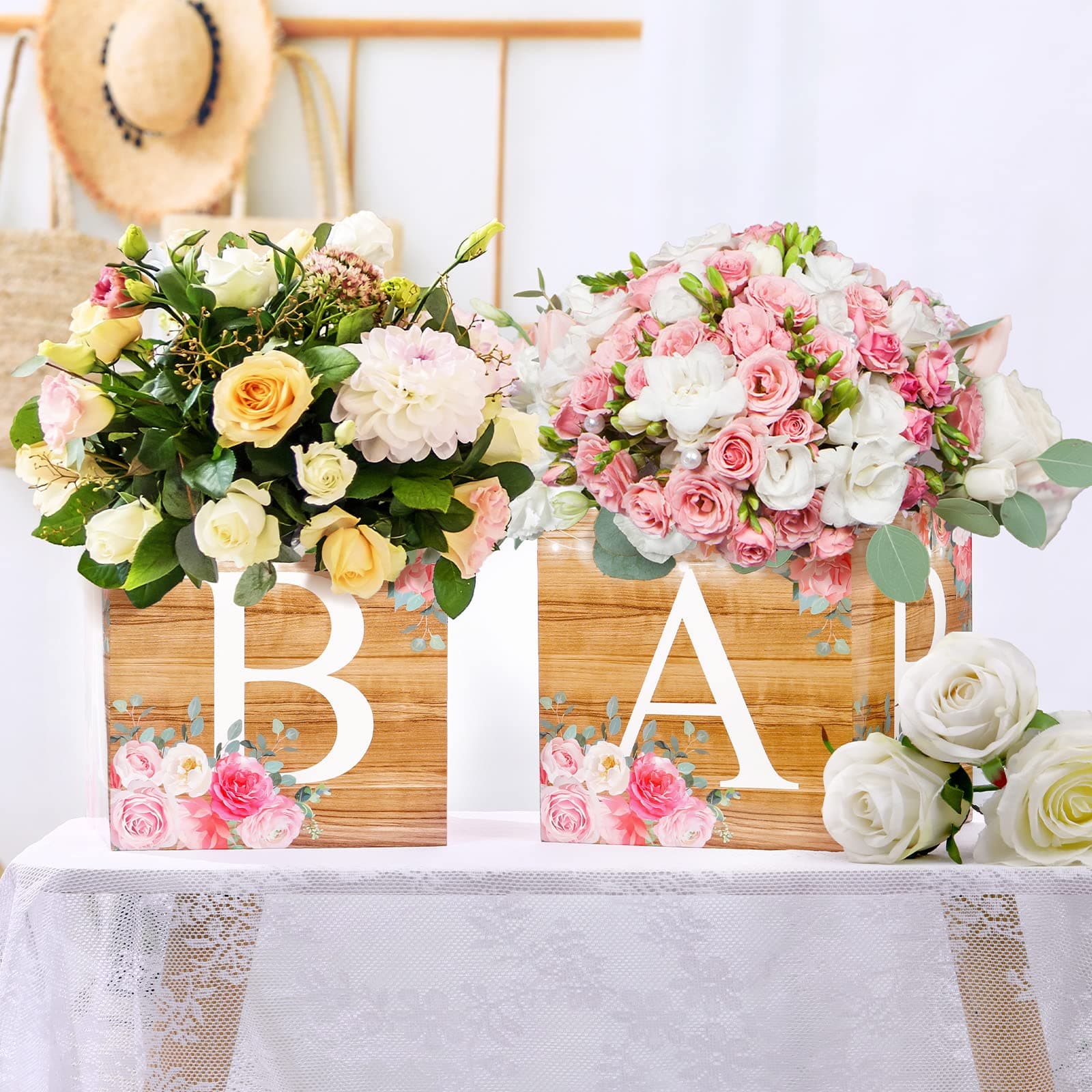
Baby shower planning guide maps an eight-week party timeline
The best baby showers now run on an eight-week schedule, with the date, budget and food plan set before décor ever enters the picture.

A baby shower works best when it is treated like a project
The strongest planning advice in this guide is also the simplest: start with structure, not style. An eight-week timeline keeps the shower from turning into a last-minute scramble, and it puts the biggest decisions, date, budget and format, at the front of the process where they belong. That is the real value here for overwhelmed hosts: when each step follows the one before it, the party becomes easier to manage and harder to overspend on.

Renee Patrone Rhinehart, the party planner and founder of Party Host Helpers, puts the first move exactly where a project manager would: figure out the date and time. From there, the rest of the plan can fall into place in a logical order, from guest list to invitations, from menu to games, and finally the day-of run-of-show. The result is a celebration that still feels personal, but is no longer being built in a panic.
Eight weeks out: lock the foundation first
The first stage is all about decisions that shape everything else. Before you buy décor or think about favors, settle on the date, budget and format so you know how many people you are serving and what kind of event you are actually producing. A coed shower, a smaller family gathering, or a more traditional gift-focused party will each change the guest count, food, and activities.
That early structure matters because baby showers today are not just about shopping for cute details. Hosts are coordinating invitations, RSVPs, budget constraints, games that fit the guest mix, and food that works for pregnancy and mixed-age crowds. Planning tools that reduce friction, such as checklists, printable timelines, invitation templates and ready-made menu ideas, do more than save time: they prevent the common mistake of letting the most visible items, like décor, crowd out the logistics that make the event work.
The guest list and invitations should move next, not last
Once the date is set, the guest list comes into focus. The Bump recommends sending invitations four to six weeks in advance, which gives guests enough time to clear their calendars and gives the host a cleaner window for tracking RSVPs and headcounts. That timing also helps avoid a familiar trap, where the invite goes out too late and every other decision gets compressed into the final days.
Modern etiquette is far more flexible than older versions of the tradition. Babylist says it is acceptable for parents-to-be to host their own shower, and its 2026 etiquette guidance also treats coed showers, virtual RSVPs, registry norms and second-baby showers as normal parts of the modern landscape. That flexibility is useful for real-world planning because it lets hosts choose the format that fits their circle instead of forcing a celebration into a dated script.
Food planning is a safety issue as much as a style choice
The menu deserves its own planning lane, not a casual afterthought. The Centers for Disease Control and Prevention says pregnant women are more likely to get sick from certain foodborne germs, including Listeria, so hosts need to think beyond what looks good on a buffet table. The CDC says Listeria infection is rare, but estimates about 1,600 people in the United States get sick from it each year.
That makes safer food choices part of responsible shower planning. Pasteurized ingredients, careful food handling, and dishes that are appropriate for pregnancy and for mixed-age guests all matter here. A smart menu also works within the time span of the event, which The Bump says usually lasts two to three hours, so the food should be easy to serve, easy to eat, and not so elaborate that it creates a second project for the host on the day itself.
Games, gifts and décor should match the guest mix
The most effective showers are not the most overloaded ones. Instead of stacking on every possible activity, the better approach is to choose games and décor that match the people in the room and the tone the parents-to-be actually want. That is where the event starts to look less like a generic party and more like experience design, with a clear narrative from arrival to closing gifts.
Industry data shows that the category is already moving in that direction. HomePage News’ 2026 Occasions Report says bathroom and personal care items and bedroom products tied at 31 percent as preferred baby-shower gift categories in the 2025 survey, while cleaning and home environment products and organization and home décor tied at 25 percent. The report also found that gift cards rose to 34 percent from 26 percent the year before, and that 54 percent of respondents preferred to give a specific gift. That mix suggests guests want the flexibility to give useful items, but they still value a clear, practical registry path.
The same report adds another telling signal: Gen Z is now the generation most likely to have a baby shower of their own. That matters because the audience shaping the category is changing, and younger hosts tend to expect plans that are cleaner, faster and more adaptable than older party traditions allowed.
The day-of schedule is where the planning pays off
A shower that lasts two to three hours still needs a real run-of-show. The final week should be treated like production week, with a script for arrivals, food service, games, gift opening and any closing moments so the host is not improvising while guests are already there. This is where the earlier steps prove their value, because a clear headcount, menu, and activity plan make the actual event feel calm instead of crowded.
The tradition itself has always carried both social and practical weight. The Bump says baby showers became popular in the postwar baby boom of the 1940s and 1950s, which helps explain why the event has long been tied to both celebration and support. Today, that mix still matters, but the execution has become more precise, with hosts expected to manage a celebration that feels warm while also handling the details like a checklist.
The modern shower is still about welcome, but now it is built to work
That evolution is what makes this eight-week roadmap so effective. It respects the older purpose of the baby shower, gathering people around a growing family, while updating the execution for modern expectations around flexibility, food safety and gifting. It also leaves room for philanthropy-minded hosts, since March of Dimes now offers baby-shower fundraising and symbolic-gift options through March for Babies.
The best showers in this moment are not the busiest or the most elaborate. They are the ones that turn a vague party idea into a staged, manageable plan, so the celebration feels thoughtful all the way through.
This article was produced by Prism’s automated news system from verified source data, official records, and press releases, then run through automated quality and moderation checks before publishing. The system is built and supervised by the people who set the standards it runs under. Read our full AI policy.
Did this article answer your question?