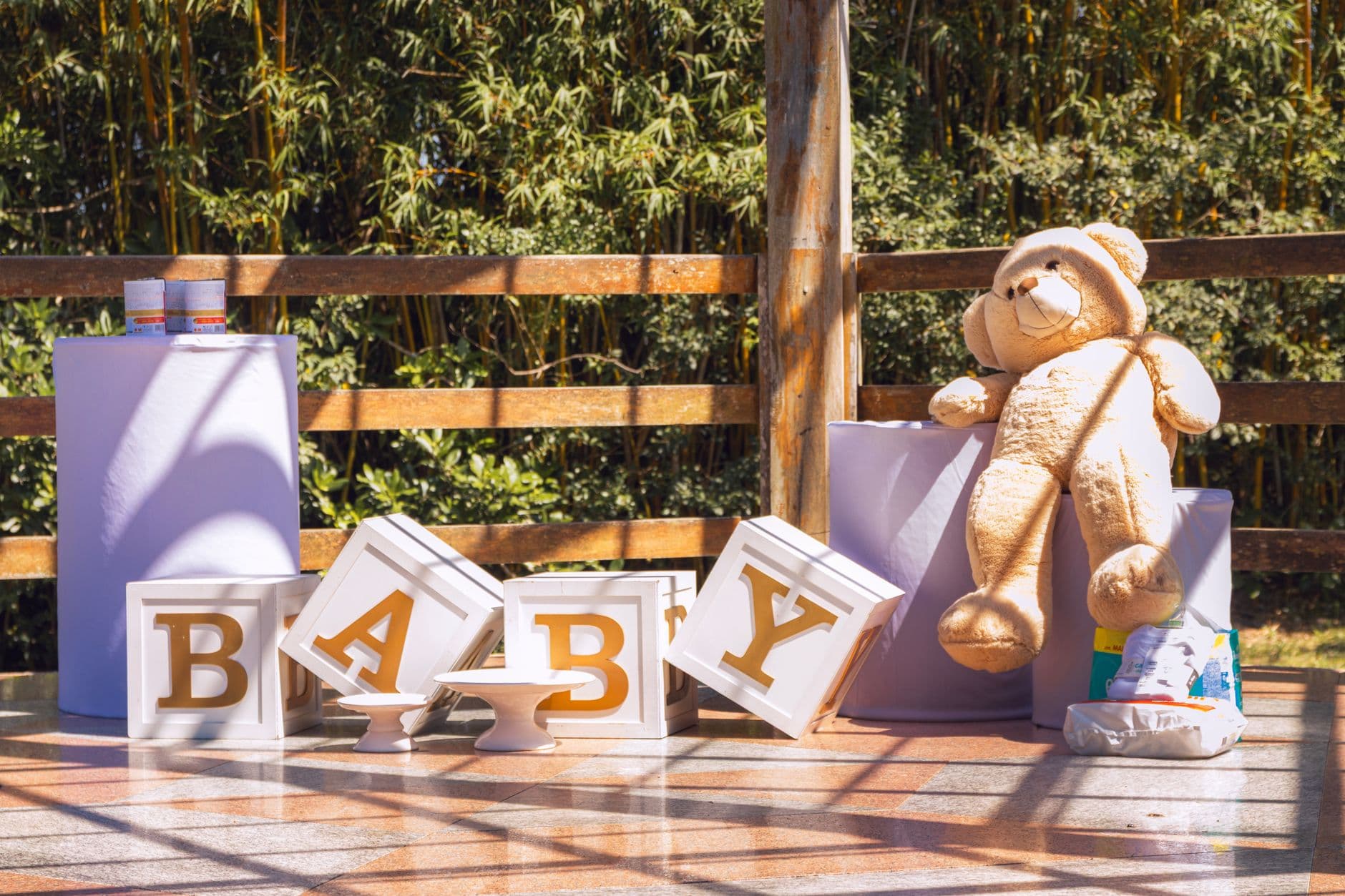
Baby shower planning guide turns prep into a step-by-step timeline
A baby-shower timeline puts the date, invitations, registry, food, games, and setup in order so hosts can spread costs and avoid last-minute misses.

Most baby showers fall four to eight weeks before the due date, a window that leaves enough time for gifts to arrive, duplicate items to be exchanged, and nursery needs to become clear before birth. A free printable checklist and an interactive planner turn the event into a working timeline, starting with the shower date, guest count, budget, venue, food preferences, and activities, then building a dated to-do list and a day-of schedule.
Start with the date, then work backward
Choose the shower date first, then build every other task around it. The window can stretch earlier when a pregnancy is high-risk or when a popular venue needs to be booked well in advance.
From there, the checklist becomes a dependency map. The date drives the invitation schedule, the guest list shapes the food order, and the venue affects how much decor, tableware, and cleanup support you need.
Four to eight weeks out: set the foundation
Once the date is set, the next decisions are the budget, guest list, registry, and venue. Those four choices determine almost everything that follows, from whether the menu can be catered to whether the shower needs a formal seating plan or a more casual drop-in layout.
Anyone close to the parents-to-be can host, including a friend, coworker, neighbor, sister, sister-in-law, aunt, or mom.
Four weeks out: send invitations and confirm the registry
Invitations should go out about four weeks before the shower, which gives guests enough lead time to plan around work schedules, travel, and gift buying. That timing also keeps the registry current, since late registry changes are easier to communicate when the invites are still fresh in everyone’s inbox or mailbox.
Registry timing also helps reduce duplicate gifts and unnecessary spending. If the registry is confirmed before invitations go out, guests know where to look, and the parents-to-be have a better shot at receiving the items they actually need. That is especially important when the budget is tight, because it helps a host focus money on the pieces that matter most, rather than overbuying decor or novelty extras.
Build the menu from the guest list, venue, and budget
Food planning belongs after the guest count is firm, not before. A catered spread works differently from a homemade buffet or a hybrid menu, and the right choice depends on how many people are coming, what the venue allows, and how much labor the host wants to take on. Catered, homemade, or mixed food plans all work.

That same logic applies to the event length. A baby shower usually runs two to three hours, which is long enough for food, gifts, and games without turning the day into a marathon. That window is a useful guide for ordering portions, setting up a drink station, and deciding how many serving rounds the menu will need.
Let games and activities match the crowd
Games are an adjustable part of the plan, not a fixed ritual. Hosts can ask the parent-to-be whether a theme or color scheme is wanted before locking in the decor and activities. If the party is more sentimental, more playful, or more low-key, the planner can change the tone without rewriting the whole schedule.
In a The Bump survey, 62% of respondents preferred trivia-style games, while 15% liked active games and 15% preferred sentimental or creative activities. Trivia can fill a short two-to-three-hour shower efficiently, while hands-on or memory-based activities make more sense for smaller groups or more intimate gatherings.
Save setup and favors for the final stretch
Decor, supplies, and favors make more sense near the end of the checklist, not at the beginning. That timing prevents hosts from buying extra items before they know the final headcount, the menu, or the layout of the venue. It also makes the budget easier to control, because late-stage purchases are easier to trim than core items like food or invitations.
Day-of responsibilities are just as important. Assigning who handles setup, who tracks gifts, and who manages cleanup keeps the host from becoming the default for everything. For a two- to three-hour shower, even small assignments matter, especially when co-hosts are involved and the day is supposed to feel organized rather than improvised.
Why this planning style fits modern baby showers
The tradition itself has deep roots in the postwar baby-boom era of the 1940s and 1950s, when baby showers became widely associated with practical gifts and support for new parents. Editable PDFs and a downloadable Word version make the planning tools easy to share, save, and revise when multiple people are helping with the shower.
The U.S. Census Bureau estimated about 1.2 million women who gave birth in 2023 were unmarried, or 30.9% of about 4 million women ages 15 to 50 who gave birth that year. In 2011, the share was 35.7%, and CDC FastStats puts births to unmarried mothers at 39.5% in 2024.
Safety also belongs on the registry and in the planning conversation. The CDC and the American Academy of Pediatrics both recommend that infants sleep on their backs for all sleep times on a firm, flat surface. The AAP also warns against inclined sleepers and similar products because they can restrict a baby’s airway.
This article was produced by Prism’s automated news system from verified source data, official records, and press releases, then run through automated quality and moderation checks before publishing. The system is built and supervised by the people who set the standards it runs under. Read our full AI policy.
Did this article answer your question?