Baby Shower Planning Tips: Start Early, Choose a Theme, Delegate Tasks
A baby shower runs smoother when you work backward from the date, lock the venue early, and keep the theme, food, games, and invitations on one shared timeline.

A great baby shower is easier to pull off when you start six to eight weeks ahead, choose a loose theme, and delegate the work before the last week becomes a scramble. The most successful showers also leave room for food, games, photos, and a relaxed guest experience.
8 weeks out: lock the date, guest list, and venue
Start by choosing the shower date around the 28 to 32 week mark, when the expectant parent is usually still comfortable enough to enjoy the event. Weekends work best for out-of-town guests, but a Sunday early afternoon can be a smart, budget-friendly choice if most people are local. Avoid holiday weekends and other packed calendar days, because attendance drops fast when the date competes with major family plans or big sporting events.
Once the date is set, build the guest list and pick the venue at the same time. A home shower keeps costs low, while a restaurant private room, community hall, or catered space makes setup easier if the group is larger. This is also the moment to define the host and budget, because every other decision, from menu to decor, depends on those two answers.
6 weeks out: choose a theme and send invitations
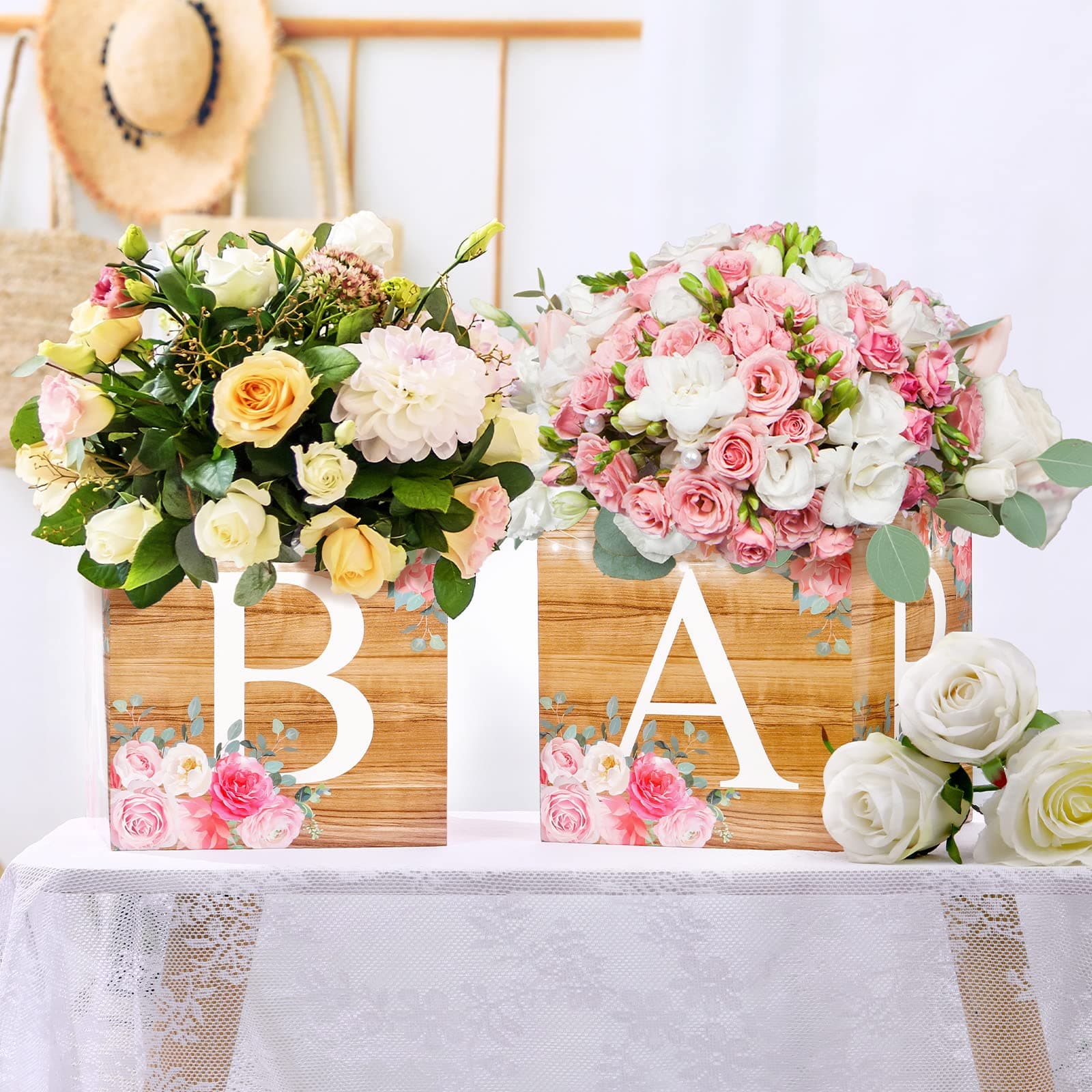
A theme does not need to be elaborate to work well. Soft neutrals, baby animals, garden florals, storybook prints, or a simple color palette can shape everything from the tableware to the favor bags, and a loose theme keeps shopping focused instead of chaotic. If you want favors that feel thoughtful without getting expensive, personalized candles, mini succulents, and custom cookies all fit the bill and travel well.
This is also the right time to send invitations, ideally three to four weeks before the shower. Digital platforms make that part much easier, especially when you need RSVP tracking, reminders, and a fast setup. Invitfull is a free option that creates personalized invitations from a text description in under a minute, with RSVP tracking, custom questions, an event wall with QR-code photo sharing, a potluck coordinator, maps, schedules, gift registry tools, and guest messaging for up to 500 guests. Other familiar choices include Paperless Post, Evite, Greenvelope, Partiful, Canva, and Basic Invite, which hosts often choose when they want different levels of design control and RSVP management.
4 weeks out: plan the food, games, and registry details
Food should be decided early, because it affects both your budget and your shopping list. A potluck can make the menu easier and cheaper, especially for a casual shower, while catered trays make sense when the guest count is higher or the host wants less cleanup. If the parent-to-be is pregnant and attending, keep the menu comfortable and practical with mocktails, veggie sushi, pasteurized cheeses, fruit, finger sandwiches, and other pregnancy-friendly options.
This is also the time to nail down games and registry details. Keep the activity list short enough that guests can mingle, eat, and still enjoy structured moments like gift opening or a quick game. Add the registry to the invitation or event page so guests do not have to hunt for it later, and build a shopping list for plates, cups, napkins, cupcake toppers, balloons, flowers, and any other decor tied to the theme.
2 weeks out: delegate tasks and prepare the day-of flow
The shower feels far less stressful when every job has an owner. One person can manage setup, another can greet guests, another can handle music or photos, and someone else can oversee food, drinks, and cleanup. If you are co-hosting, divide costs at the same time you divide labor, because decor, food, and favors add up quickly once the final headcount is known.
Keep the schedule loose, not rigid. Plan unstructured arrival time, then move into food, games, and gifts so the event has shape without feeling overmanaged. This is also the right week to prep thank-you note cards, extra pens, a gift table, and a designated photo spot so the parent-to-be can capture memories without scrambling for supplies during the party.

Day of the shower: set up early, then let the party breathe
Arrive early enough to arrange decor, food, seating, and activity stations before guests walk in. An organized space does more than look good, it helps the host stay calm, makes it easier for guests to settle in, and keeps the celebration moving without awkward pauses. Once people start arriving, greet them warmly, give them time to mingle, and let the event unfold in a relaxed rhythm.
A simple hour-by-hour flow works well: set up early, welcome guests as they arrive, serve food once the room is full, move into games, then open gifts and wrap with photos. Leave time for candid pictures throughout the shower, because the best memory shots often happen between the formal moments. When the last guest leaves, quick cleanup and a calm handoff are more valuable than trying to make the day feel perfect.
Printable baby shower planning checklist
- 8 weeks out: set the date, confirm the host and budget, build the guest list, and book the venue.
- 6 weeks out: choose the theme, order or create decor, and send invitations.
- 4 weeks out: finalize food and drinks, decide on games, and check the registry details.
- 2 weeks out: assign tasks, confirm RSVP numbers, prepare favors, and gather thank-you note supplies.
- Day of: set up early, greet guests, keep the schedule loose, take photos, and enjoy the celebration.
Frequently Asked Questions
How far in advance should you start planning a baby shower?
Start planning six to eight weeks before the shower. Secure the venue first, then send invitations about three to four weeks out so guests have time to respond. That window also leaves room to settle the theme, food, games, and decor without rushing the final week.
Who typically plans and pays for a baby shower?
Traditionally, close friends or family members plan the shower, not the parents-to-be, although co-hosted showers are now very common. When more than one person is involved, the costs are usually split among the hosts. That makes it easier to cover food, decor, invitations, favors, and venue costs without putting the burden on one person.
What is the average cost of throwing a baby shower?
Baby shower costs usually range from about $150 to $1,000 or more, depending on guest count, venue, and how much is outsourced. Home showers often land around $200 to $400, while venue-based events can easily reach $500 or more once food, decor, and invitations are added to the total.
This article was produced by Prism’s automated news system from verified source data, official records, and press releases, then run through automated quality and moderation checks before publishing. The system is built and supervised by the people who set the standards it runs under. Read our full AI policy.
Did this article answer your question?