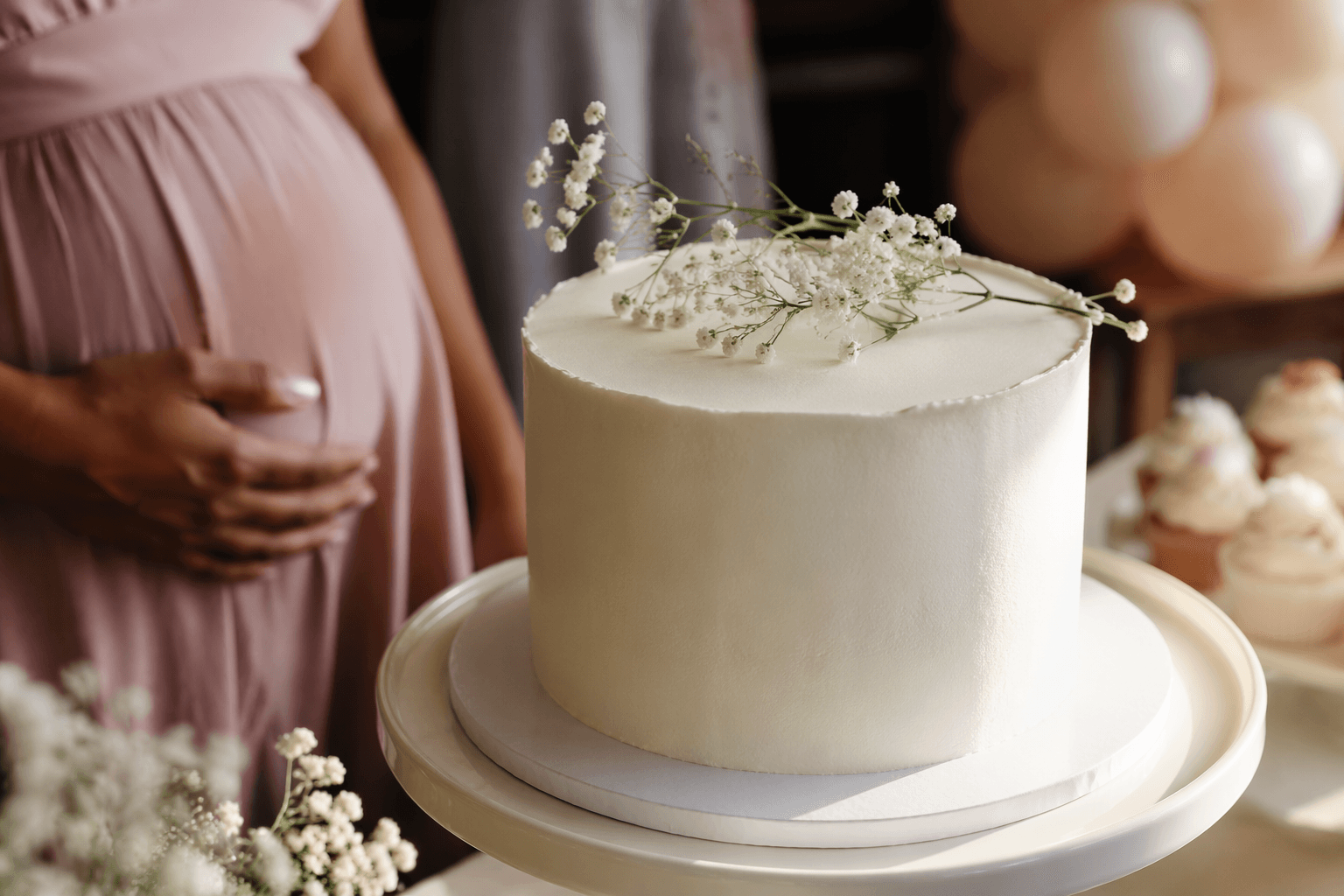
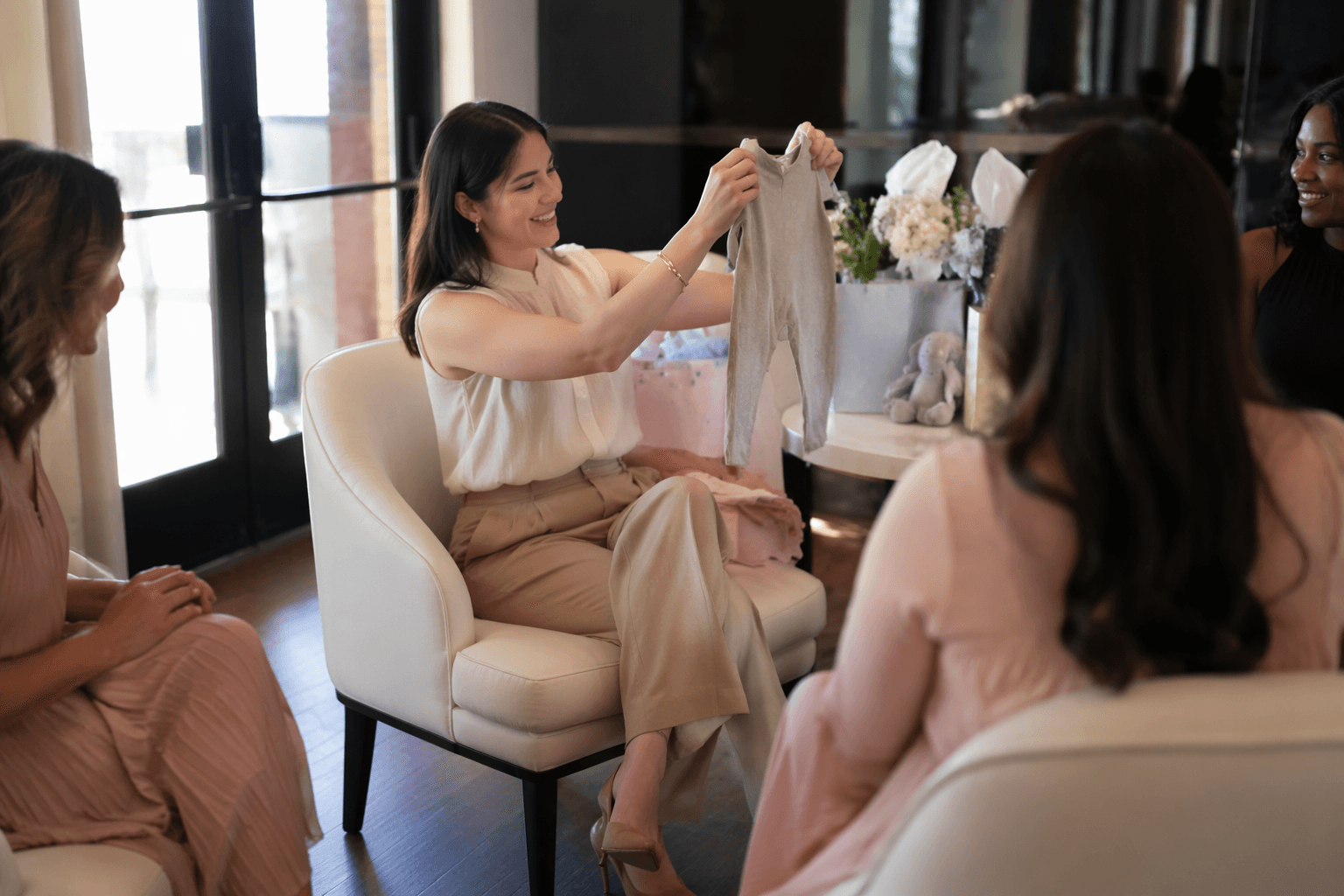
Baby Shower Supply Guide Organizes Forty Picks for Coordinated Planning
Forty coordinated picks turn shower shopping into a clear plan, helping hosts balance style, budget, setup speed, and guest comfort without overbuying.
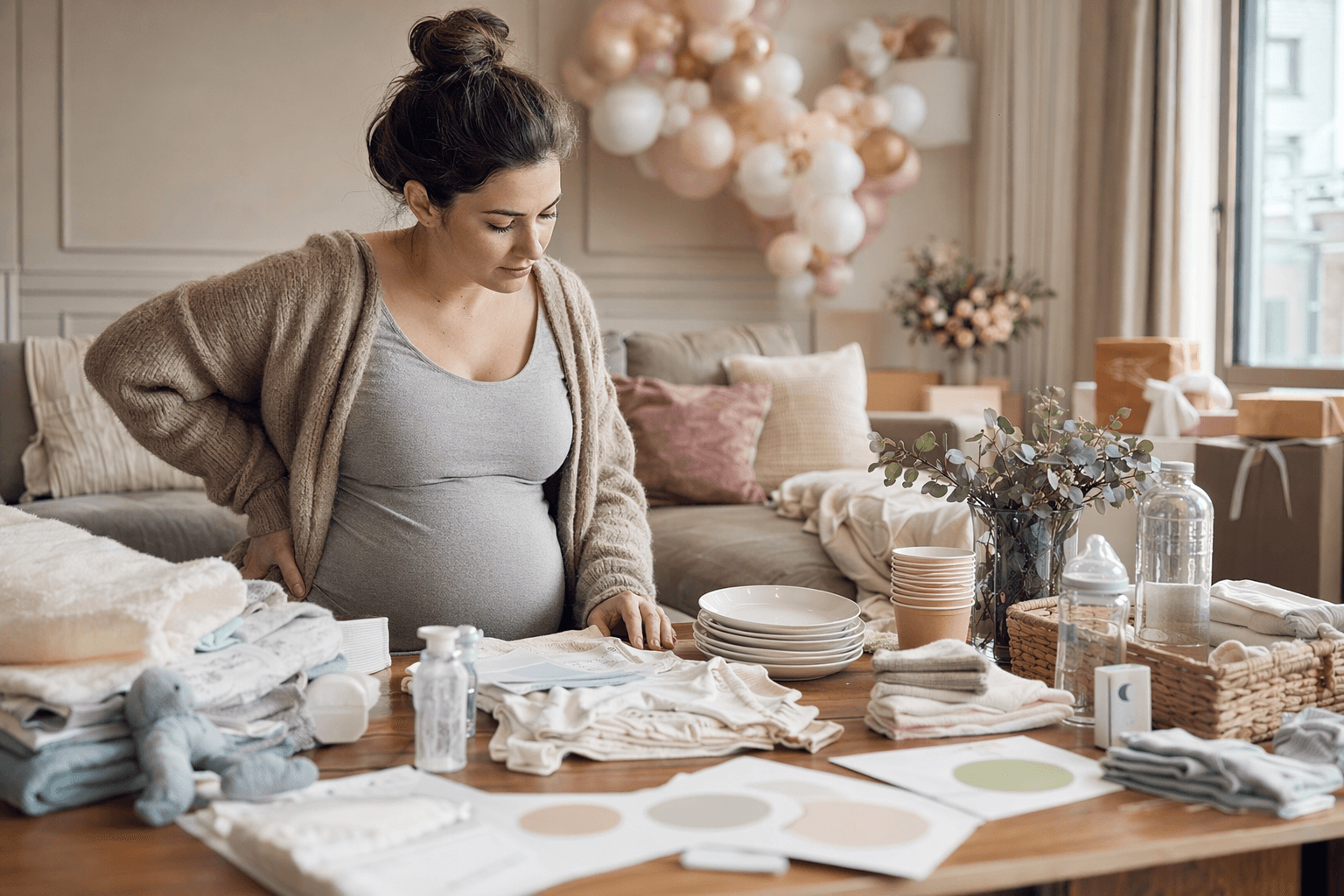
A shower works best when the shopping list follows the event flow
Forty curated picks spread across eight categories turn baby shower planning into a system instead of a scramble. Decor, tableware, food display, games, favors, photo gear, mom comfort, and setup essentials give hosts a practical framework that matches how the day actually unfolds, from the look of the room to cleanup after the last guest leaves.
That structure matters because the most polished showers usually come from a few high-impact choices, not a cart full of extras. The guide leans into that reality by keeping the selections gender-neutral by default, which fits the broader shift away from rigid pink-versus-blue styling and toward more flexible design language.
Start with the planning decisions that shape everything else
The cleanest baby shower plans begin with date and time, then budget, guest list, and venue. The Bump recommends hosting when the expectant mom is about seven months pregnant, or roughly 28 to 35 weeks, and says the celebration usually runs two to three hours. That gives hosts a tight window, which is why the supply list has to support speed, comfort, and easy service as much as visual appeal.
Venue choice should be treated as a supply decision, not just a location decision. Private homes, restaurants, church halls, tea rooms, parks, backyards, and living rooms all change what needs to be bought, packed, and set up. A shower in a backyard, for example, often demands more setup support than one in a tea room, while a living-room gathering may need only a few strong decor pieces and a compact food display.
Who hosts has changed, and the shopping list has changed with it
The Bump says anyone close to the parents-to-be can host, including friends, coworkers, neighbors, sisters, aunts, or even the mom-to-be’s mother. It also says family members no longer need to avoid hosting over gift-grab concerns, which reflects how the etiquette has loosened around who can take the lead. That flexibility makes the supply guide more useful, because the planning load can fall on different kinds of hosts with different levels of time, budget, and event experience.
This event also sits inside a much older tradition. The Bump traces baby showers to the postwar baby boom of the 1940s and 1950s, and Britannica places them within life-cycle ceremonies that celebrate childbirth. The modern version may feel more design-driven, but it still carries the same core purpose: gathering people around a new arrival with practical support and community attention.
Decor should do more than look cute
Decor is where hosts can spend too much without gaining much. The most efficient approach is to choose pieces that carry the room visually and, when possible, serve a second function. The Bump’s decoration guidance points to table decorations, diaper cakes, baby shower cookies, cake toppers, balloons, banners, signs, and favors, and it notes that some decor, like cookies, can double as favors.
That overlap is where budgets stay under control. A strong table setting, a few balloon or banner accents, and one or two photo-friendly focal points often create a fuller feeling than scattering small accessories everywhere. Since the guide centers coordinated planning, the better question is not how many decorations to buy, but which ones help the room feel finished while supporting the menu, the photos, and the cleanup plan.
Tableware and food display are where coordination pays off
Tableware and food display matter because they shape how the shower functions minute to minute. Matching plates, cups, and serving pieces do more than decorate the table, they make the event easier to run, especially when the host is managing a short two- to three-hour window. The best choices are the ones that can carry food smoothly, fit the theme, and keep the service area looking organized without a lot of hands-on effort.
Food display is also one of the smartest places to combine categories. A cake topper can reinforce the theme, cookies can double as favors, and a carefully arranged spread can do the visual work that would otherwise require additional decor. That is the kind of decision-making the guide encourages: use one part of the budget to cover multiple jobs instead of buying separate pieces for every small effect.
Games, favors, and photos should support the pace of the party
Games still matter, but they work best when they fit the room and the schedule instead of taking over the event. The guide’s organization suggests a practical approach, keeping the entertainment light enough that guests can move between mingling, eating, and photo moments without the shower feeling forced. That is especially important in shorter gatherings, where pacing matters as much as the activity itself.
Favors are now clearly optional, not mandatory. The Bump describes them as a way to add ambience and say thanks, and its favor guidance points to themed, personalized, inexpensive, and even virtual or drive-by-friendly options. That flexibility is useful for hosts watching costs closely, because favors can be skipped entirely or folded into decor when the budget is tight.
Photo gear and mom comfort are easy to overlook, but they make the biggest difference
Photo gear helps preserve the event’s best moments, and it is one of the easiest categories to overlook until the shower is already underway. A small set of coordinated photo pieces can create the polished look people want without requiring a full-scale production. When the rest of the room is organized around a single palette or theme, photo setups feel intentional rather than added on.
Mom comfort deserves the same attention. A guest of honor who is seven months pregnant should not have to work around awkward seating, poor traffic flow, or a display that leaves no easy place to rest. Setup essentials, from the basics needed to arrange the room to the items that simplify cleanup, keep the whole experience manageable for the person planning it and more comfortable for the person being celebrated.
The bigger market explains why the category approach works
This kind of supply guide sits inside a massive baby-products economy. Grand View Research estimated the global baby products market at USD 355.94 billion in 2025 and projects it to reach USD 579.52 billion by 2033. That scale helps explain why baby shower planning has become more operational, with hosts thinking about setup speed, photo moments, ease of service, and cleanup as part of the design process.
The smartest shower plans treat the shopping list like a workflow. Start with the date, time, budget, guest list, and venue, then build around the categories that affect the room, the menu, the photos, and the comfort of the guest of honor. When the choices are coordinated instead of crowded, the shower feels polished, current, and easy to manage.
This article was produced by Prism’s automated news system from verified source data, official records, and press releases, then run through automated quality and moderation checks before publishing. The system is built and supervised by the people who set the standards it runs under. Read our full AI policy.
Did this article answer your question?