Babylist guide shows baby monitors splitting into specialized tech categories
Babylist’s latest guide treats baby monitors as a decision tree, not a single gift, with different models for privacy, travel, tracking, and budget.
Baby monitors have split into real categories
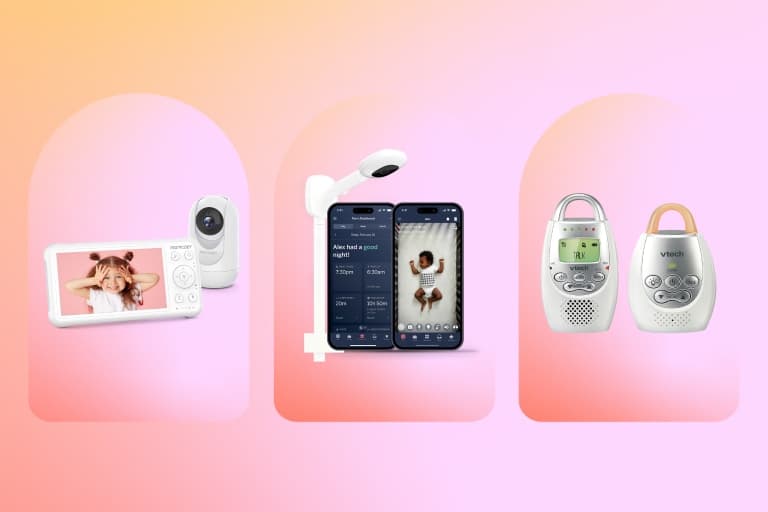
The baby monitor aisle is no longer a single aisle of same-looking gadgets. Babylist’s updated guide makes the central point plainly: these are now specialized tools, and the right choice depends on whether a family cares most about convenience, privacy, portability, breathing tracking, or price.
That shift matters for shower registries, where monitors have long been a default gift. A monitor used to feel like a simple yes or no purchase. Now it asks a much more specific question: do you want a WiFi model that lives in an app, a video monitor with a dedicated screen, a hybrid setup, a wearable system, or an audio-only unit that keeps things basic and dependable?
How Babylist is framing the market
Babylist did not approach this guide like a novelty parade. The products were tested, the team spoke with sleep consultants and home-security experts, and the guide also reflects feedback from thousands of parents. That mix of hands-on use and real-world parent experience puts the emphasis where it belongs, on the friction that matters in daily life.
The criteria behind the picks are telling. Reliability, battery life, ease of use, and clear audio and video performance sit at the center of the guide. That says a lot about where the category has gone. The best monitor is not the one with the longest spec sheet, but the one that solves the specific headaches that show up at 2 a.m., during a nap in another room, or on a trip away from home.
The main tradeoffs behind each type
For many families, WiFi monitors are attractive because they connect easily to a phone and can be part of a broader smart-home setup. That convenience comes with a tradeoff: privacy and network dependence become part of the decision, which is why some buyers look more carefully at security features than they once did.
Video monitors still appeal to parents who want a dedicated screen and a more self-contained setup. Hybrid monitors add another layer by trying to bridge the gap between app-based flexibility and local viewing. Affordable WiFi and video options open the door for families who want the modern features without paying premium prices, while audio-only monitors remain a strong choice for anyone who wants the simplest possible setup with less to charge, pair, or configure.
Then there are the wearable monitors, which push the market beyond listening and watching into sleep-tracking and breathing-related features. Those products are not for every household, but they speak to a real demand: some parents want more data, not just more pixels.
What Babylist’s top picks signal about use cases
The guide’s top picks show just how segmented the category has become. The Nanit Pro Smart Baby Monitor sits in the smart, app-connected end of the market. The Momcozy 1080p HD and the eufy E21 Baby Monitor with 4K Camera and Charging Base point to the appeal of clear video and practical hardware design. The WYZE Cam v4 represents the budget-minded side of WiFi monitoring, while the HelloBaby 6550 fits the straightforward video-monitor lane.
The Owlet Dream Duo brings wearable monitoring into the picture, which is where sleep tracking and breathing-focused features start to matter. The Babysense PRO split-screen system speaks to households that need to watch more than one space at once, a useful feature for twins or multi-room setups. The VTech DM221 audio monitor keeps the old-school option alive for families that want a simpler, lower-friction solution.
Put together, those picks do not point toward one winning formula. They point toward a registry market where the best choice depends on the nursery, the home layout, the travel schedule, and how much data a family actually wants in the night.
What shower hosts and registry shoppers should pay attention to
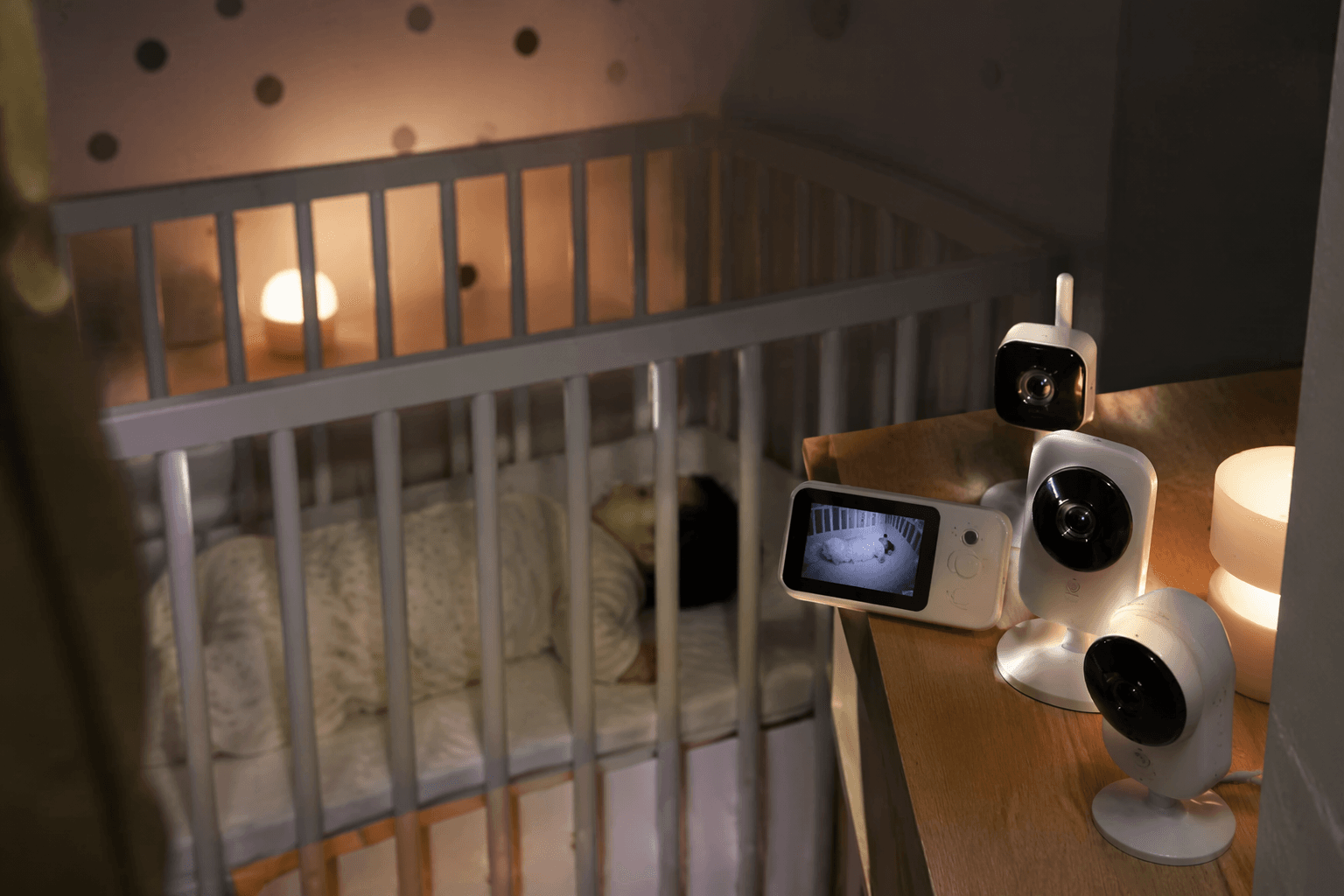
If you are buying for a baby shower, the smartest move is to think in scenarios, not in brand loyalty. A family living in a smaller apartment may value simplicity and portability more than advanced tracking. A family that travels often may want a monitor that packs easily and sets up fast. Parents who are especially cautious about privacy may lean away from more connected WiFi models, while parents who want more visibility may accept the tradeoff for app-based access and richer features.
A useful mental checklist looks like this:
- Convenience: do they want an app, a handheld screen, or the simplest possible setup?
- Privacy: is a WiFi-connected device comfortable for their home and habits?
- Portability: will the monitor need to travel, move rooms, or work in more than one location?
- Sleep tracking: is breathing or wellness monitoring a priority, or is live audio and video enough?
- Budget: do they want an affordable option, or are they willing to pay for premium features and a charging base?
That kind of sorting reflects the way Babylist presents the category. The guide is not telling shoppers to chase the fanciest model. It is showing that monitors have become a decision about daily routines, not just nursery tech.
Why this category keeps getting more demanding
The most interesting part of Babylist’s guide is not any single model, but the standards it reveals. A competitive monitor now has to earn trust on battery life, clarity, and ease of use before it even gets to the headline features. Beyond that, brands are being asked to compete on sleep tracking, split-screen viewing, security, and wearable monitoring, all while still being understandable to a registry shopper who may be buying one for the first time.
That is why baby monitors have become such a revealing registry category. They sit at the intersection of care, tech, privacy, and price, and the market is rewarding products that reduce stress instead of adding more settings. The most useful monitor is no longer the one that tries to do everything. It is the one that fits the family that will actually use it.
This article was produced by Prism’s automated news system from verified source data, official records, and press releases, then run through automated quality and moderation checks before publishing. The system is built and supervised by the people who set the standards it runs under. Read our full AI policy.
Know something we missed? Have a correction or additional information?
Submit a Tip