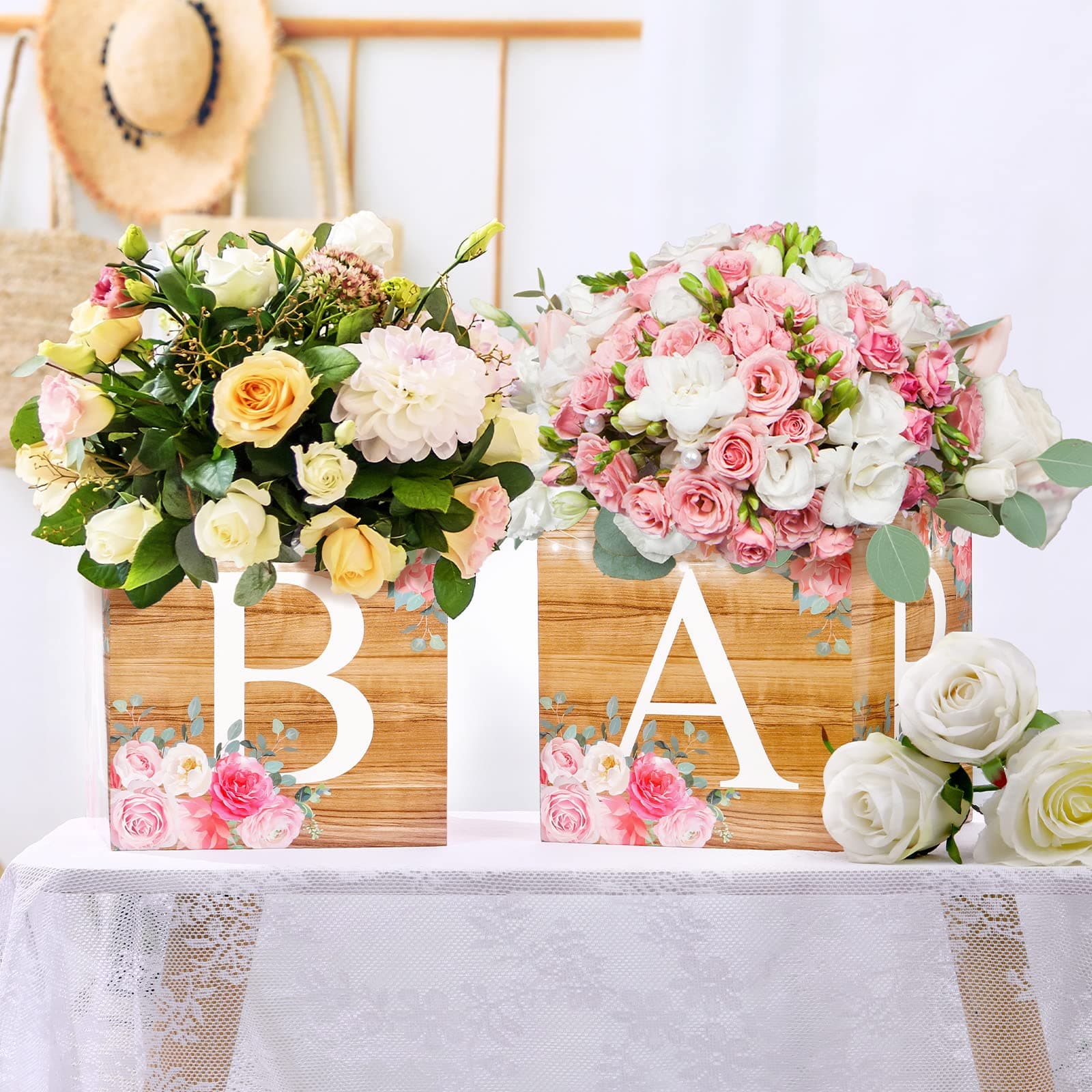
Babylist spotlights baby shower outfits that balance comfort and style
Baby showers are dressing less like etiquette tests and more like comfort-first photo moments, with Babylist mapping the silhouettes that actually work.
Why the baby shower outfit has changed
The new baby shower dress code is not about squeezing pregnancy into a single flattering formula. It is about finding the sweet spot where comfort, movement, and camera-ready polish all show up at once, and Babylist’s outfit guide makes that tradeoff feel practical instead of precious.
That shift lines up with the way Babylist says modern showers are changing overall. More parents are planning or even hosting their own events, because it gives them more control during pregnancy, helps avoid awkward traditional moments, and makes it easier to shape a celebration that fits their own taste. Babylist’s survey summary reinforces that momentum: 8% of respondents said they were very likely to have a baby shower for themselves, and 11% said they were somewhat likely, up from 6% and 8% the year before.
The silhouettes that solve the problem
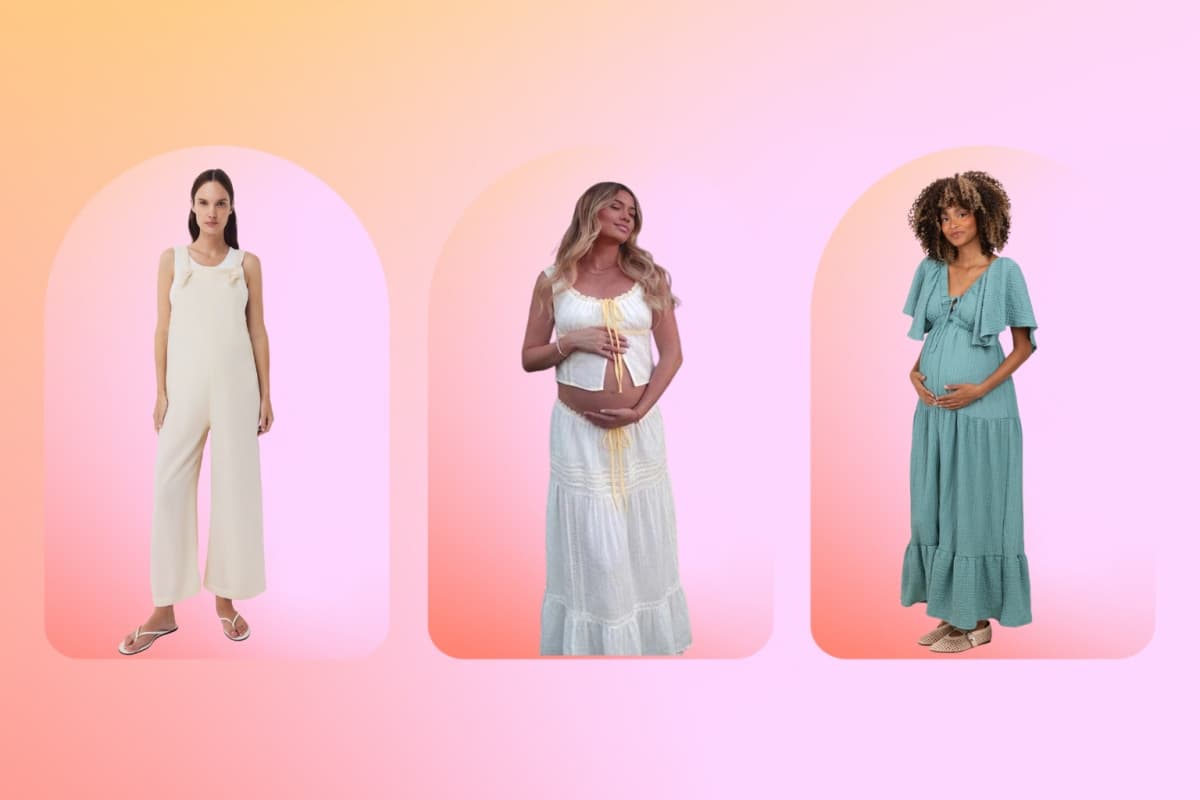
Babylist’s style guidance does something useful: it breaks baby shower dressing into buckets instead of pretending there is one ideal look. Maxi dresses are the standout style of the year, and that makes sense for pregnancy because they give room, movement, and an easy line that reads polished in photos without feeling restrictive.
Above-the-knee dresses still have a place, especially when the goal is a lighter, more playful look for warm weather or a more casual venue. Babylist also includes casual looks, formal options, and non-dress alternatives, which is the real takeaway here: the best shower outfit is the one that fits the setting and the body wearing it, not the one that obeys some old idea of what a guest of honor should look like.
That broader flexibility matters because it reflects a more personal version of pregnancy style. In a traditional, highly scripted setting, the dress can end up serving the event more than the person. In Babylist’s framing, the outfit is there to support the honoree, which is exactly why comfort and style no longer feel like competing goals.
How to shop by setting, season, and stage
For a home shower, a soft knit dress, a relaxed maxi, or another non-dress option can be the smartest move. Babylist’s broader 2026 baby shower coverage notes that some parents prefer hosting at home, and that kind of environment usually rewards outfits that let you sit, stand, and move around without fuss. If the event leans informal, a polished casual look can still read celebratory while keeping the fit easy through the belly, hips, and bust.
For a more formal restaurant, tea-room, or private venue setting, a structured dress can do more visual work. A longer silhouette, a more tailored fabric, or a dress with enough drape to skim rather than cling helps keep the look intentional on camera while still leaving room to breathe. That is the tension Babylist’s guide is solving: photo-ready without the pressure of looking overdone.
Season also matters. Breathable fabrics and adaptable silhouettes are the clearest shopping priorities because they handle changing temperatures, swelling, and long stretches of sitting better than rigid occasionwear. In practical terms, that means looking for pieces that have stretch, movement, and enough versatility to work beyond a single afternoon, whether the shower is in peak heat or layered under a jacket in cooler weather.

Budget is part of the equation too. Forbes Vetted makes the case that the best maternity clothes are the ones that keep wearers comfortable while helping them maintain their sense of style, and stylist Liz Teich recommends buying pieces that can be worn beyond pregnancy, including postpartum and nursing-friendly items. That advice points toward smarter spending: a dress or set that works for a shower, a sprinkle, and later life gets more value than a one-day outfit with a narrow use case.
What the fashion trend says about pregnancy right now
The baby shower outfit conversation sits inside a larger maternity style moment. The Bump says modern maternity fashion is moving closer to mainstream fashion, away from older utilitarian norms that treated pregnancy dressing as something to hide or minimize. That shift has been visible for years through high-profile style moments, from Demi Moore’s 1991 Vanity Fair cover to Kim Kardashian’s 2013 Met Gala appearance, Ashley Graham’s body-con maternity looks, and Rihanna’s headline-making pregnancy wardrobe.
That visibility has changed the expectations around what maternity clothes can do. Instead of assuming pregnancy style means sacrificing shape, color, or drama, today’s best looks borrow from regular fashion and then adapt for changing bodies. That is exactly why Babylist’s guide feels so current: it is not asking pregnant people to choose between looking like themselves and feeling physically comfortable. It is treating both as non-negotiable.
Britannica adds useful context here by placing baby showers alongside rites of pregnancy and childbirth as part of life-cycle ceremonies in many societies. In other words, the event has always carried meaning beyond the gifts and decorations, even if the modern U.S. version is becoming more personalized. Babylist’s coverage suggests that the personalization now extends all the way to the outfit, which is not a trivial detail. If the celebration is increasingly designed around the honoree’s comfort and preferences, the clothes should be, too.
What this means for the baby shower market
The commercial opportunity is obvious. Maternity and occasionwear brands now have a clear opening around breathable fabrics, flexible silhouettes, and outfits that can travel across different pregnancy moments without losing shape or style. That is especially true for pieces that work for showers, sprinkles, and photo-heavy gatherings, where one outfit may have to do a lot of visual labor.
The trend data around showers supports that opening as well. Babylist’s 2026 survey summary says interest in home and housewares baby-shower gifts rose sharply year over year, which suggests the event itself is becoming more integrated into everyday nesting and home preparation. At the same time, Gen Z leads all generations in the likelihood of having their own baby shower, pointing to a younger audience that is likely to be especially fluent in personal style, social media presentation, and comfort-first shopping.
Taken together, the message is clear: baby shower dressing is no longer about obeying a rigid template. It is about building an outfit that can handle the room, the weather, the photos, and the body inside it, which is why the smartest choices are the ones that make pregnancy look as easy as it should feel.
This article was produced by Prism’s automated news system from verified source data, official records, and press releases, then run through automated quality and moderation checks before publishing. The system is built and supervised by the people who set the standards it runs under. Read our full AI policy.
Did this article answer your question?