Carolina Complete Health turns baby showers into maternal care support
Carolina Complete Health is turning baby showers into a maternal-care touchpoint, pairing education, supplies, transportation help and benefit navigation.
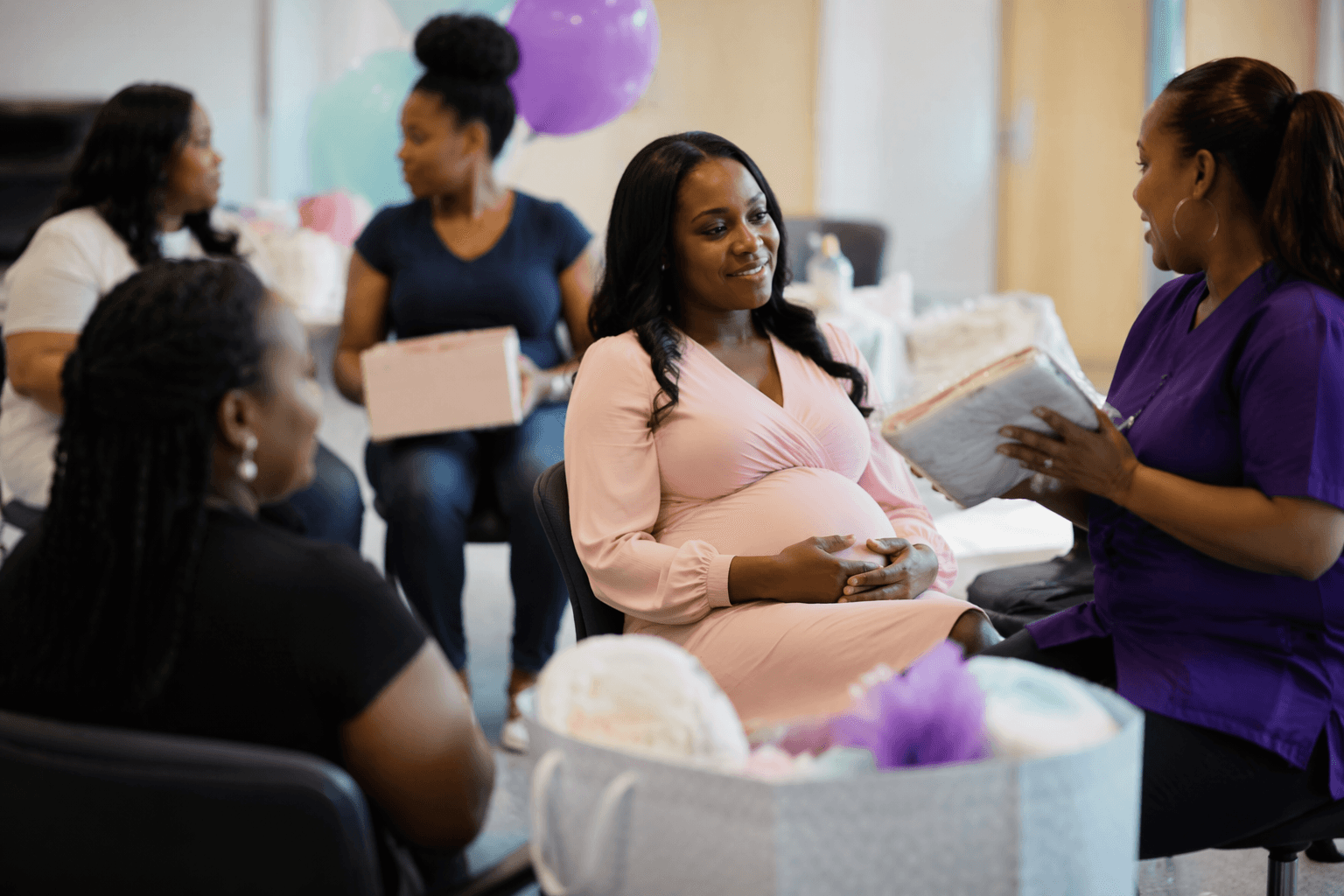
Carolina Complete Health is turning the baby shower into a care-navigation touchpoint, not just a celebration. Its member events blend prenatal education, newborn guidance, supplies, and incentive-based support into one setting, with in-person and virtual formats built to help members move through pregnancy, delivery, and a baby’s first year.
A baby-shower model built around access
The program sits inside Start Smart for Your Baby, and its design is unusually practical for a health plan. At these events, members can get education on prenatal care, breastfeeding, and newborn care, while also getting help with nutrition and food needs, including assistance signing up for WIC. The same event space is also used to connect families to value-added services such as a car seat and a breast pump, which makes the shower a direct bridge from education to supplies.
That structure matters because the event is not limited to social support. Carolina Complete Health’s page says it is hosting in-person and virtual member baby showers, along with health fairs, to support a healthy pregnancy, delivery, and baby’s first year. The format turns a familiar community gathering into a single stop where expectant parents can learn, ask questions, and leave with concrete resources.
What members receive on site
The in-person events go well beyond a standard registry-style giveaway. Carolina Complete Health says attendees can take part in games with prizes that include baby swings, Pack ’n Plays, and strollers. Every attendee also receives a diaper bag with supplies, which makes the event useful even for families who are still sorting out the basics of newborn care.
A hands-on safety component is built into the experience as well. The program includes demonstrations for safe car-seat installation, which gives the baby-shower format a public-health function that reaches beyond decoration and refreshments. Transportation help is also available for members who live within 20 miles of an event, as long as the ride is scheduled two weeks in advance. That detail is important because it shows the plan is not only offering information, but also trying to remove one of the most basic barriers to attendance.
The page also lists a Stoneville, North Carolina event dated June 25, 2026, and includes a registration form for members. That combination of date, location, and enrollment step shows the model is built to be actionable, not just informational.
How the program extends beyond one room
Carolina Complete Health is not treating baby showers as one-off events. The company also runs Community Baby Showers in Welcome Rooms and Virtual Member Baby Showers, which makes the program a broader member-engagement strategy rather than a single campaign. Its homepage in May 2026 was still promoting a Community Baby Shower at its Welcome Rooms, a sign that the idea is part of the company’s ongoing outreach rather than a short-lived promotion.
The virtual version is especially useful for members who cannot attend in person. Carolina Complete Health says virtual baby showers are for members who are expecting or who have had a baby within the past 12 months, and every attendee receives a baby basket with supplies sent to the home. That home-delivery piece extends the same basic promise as the in-person event, but without requiring travel, child care, or a schedule that lines up with a local gathering.
The plan also links the shower format to a separate New Parent’s Package. That package offers a choice of a car seat, a portable crib, or a stroller, which ties the shower program to the broader maternity benefits stack. Taken together, the shower, the virtual basket, and the New Parent’s Package create a layered set of supports that can follow a family from pregnancy into infancy.
Why the model fits North Carolina’s maternal-health network
The Carolina Complete Health approach lands in a state that already has a maternal-support infrastructure. NC Medicaid’s Maternal Support Services are also known as the Baby Love Program, and the program serves Medicaid-eligible pregnant women during and after pregnancy. Services include home visits and referrals for nutrition, dental care, counseling, and family planning, which makes the state’s benefit structure a natural partner for a health-plan event that focuses on education and referrals.

The outreach model also lines up with North Carolina’s Smart Start framework. Launched in 1993, Smart Start is a statewide public-private early-childhood initiative organized around local partnerships that serve children from birth to kindergarten. Smart Start says its network now spans all 100 counties, which gives maternal and early-childhood outreach a wide geographic backbone across the state.
In practical terms, that means a baby shower can function as an entry point into a much larger system. A member who comes for supplies or a prize can also leave with WIC help, a car-seat demonstration, a referral path, or a route into other public benefits.
The scale behind the outreach
Carolina Complete Health has already shown that the format can draw a substantial audience. A Feb. 3, 2023 community baby shower in Charlotte brought in more than 120 expectant mothers, new mothers, and family members. At the time, the plan said it covered more than 230,000 Medicaid members in North Carolina, and 70% of those members were children, a reminder that the plan’s maternal outreach is tied to a large pediatric and family population.
Dr. Faith Samples, Carolina Complete Health’s Director of Community Engagement, described the events as one way the plan connects members to support a healthy pregnancy and delivery. That message matches the structure of the program itself: the shower is not just a social event, but a managed-care tool that combines education, benefit access, and practical supplies in a format families already understand.
What makes the model notable is the way it lowers friction at multiple points at once. It gives expectant parents information, equipment, and a path into state and plan benefits, while also using virtual access, home delivery, and transportation help to widen participation. In maternal care, that kind of simple, familiar format can do real work.
This article was produced by Prism’s automated news system from verified source data, official records, and press releases, then run through automated quality and moderation checks before publishing. The system is built and supervised by the people who set the standards it runs under. Read our full AI policy.
Did this article answer your question?