Cincinnati's Largest Baby Shower Aims to Raise $100,000 by Mother's Day
A $15,000 corporate match from Perfetti Van Melle is seeding Cincinnati's push to raise $100,000 by Mother's Day to sustain a network distributing 2.5 million diapers a year.
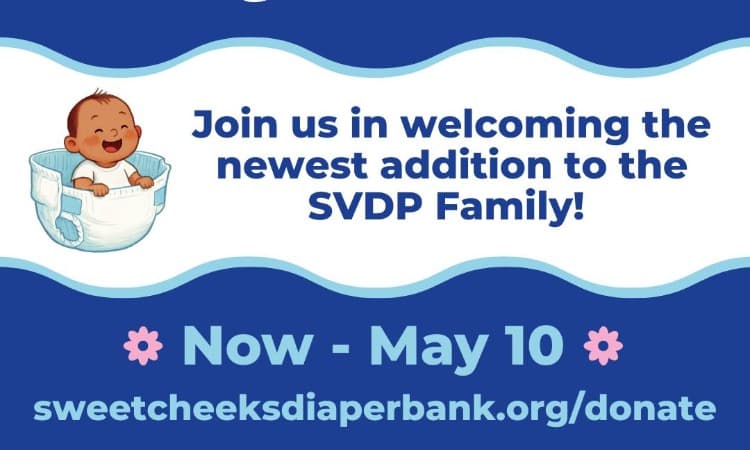
St. Vincent de Paul Cincinnati and Sweet Cheeks Diaper Bank launched what they are calling Cincinnati's Largest Baby Shower, a coordinated campaign targeting $100,000 in fundraising by Mother's Day to sustain one of the region's most quietly essential social infrastructure systems.
The numbers behind that goal are clarifying. St. Vincent de Paul Cincinnati and its partner network, which spans more than 40 local nonprofits and healthcare providers across Greater Cincinnati and Northern Kentucky, distribute approximately 2.5 million diapers annually. That volume flows through shelters, food pantries, and clinics, a distribution network built through cross-sector partnerships that depends on continuous philanthropic investment to avoid shortfalls that hit families hardest.
To build early momentum, Perfetti Van Melle committed a $15,000 matching contribution, a corporate seed investment designed to multiply the impact of community donations before the Mother's Day deadline. The match reflects the campaign's central strategy: anchor dollars placed early can unlock broader giving at scale.
The urgency isn't abstract. Diapers fall outside most federal assistance frameworks; neither SNAP nor WIC covers them, leaving low-income families to absorb a high-frequency, non-negotiable expense out of pocket. Organizers framed diaper insecurity as one of the more structurally overlooked pressures on family budgets, one that routinely forces tradeoffs between infant care and other basic needs. The gap is filled, to the extent it is filled at all, by philanthropic campaigns like this one.
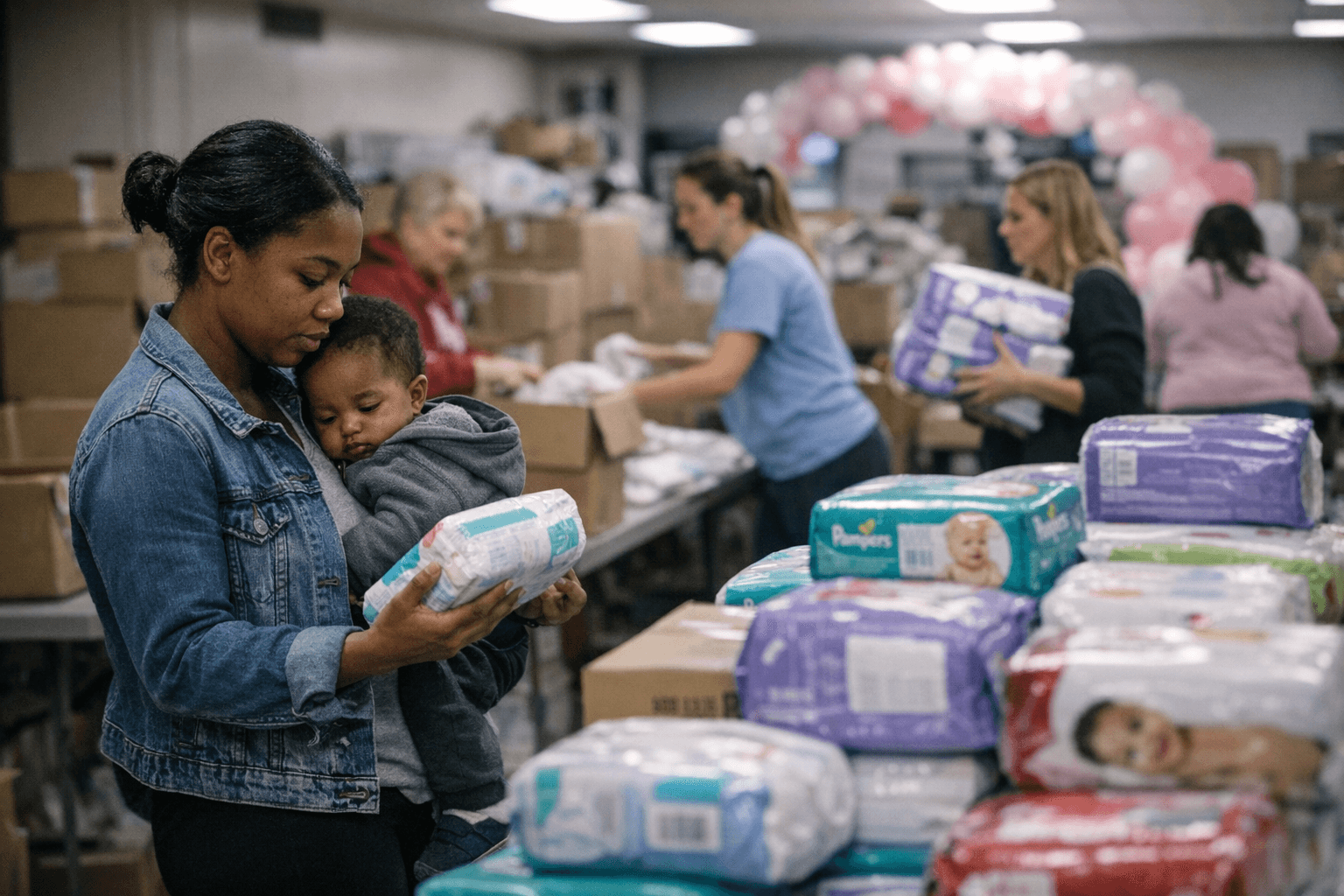
The diaper bank model at the center of the initiative aggregates donated product and philanthropic dollars, then routes them into established pipelines already embedded in community institutions across Greater Cincinnati and Northern Kentucky. That infrastructure is both the campaign's asset and its argument: the distribution network exists and carries proven capacity; the funding does not always keep pace with demand.
For philanthropic and policy audiences, the 2.5 million annual diapers figure represents more than logistics. At that scale, the question is not only whether the campaign reaches $100,000 but whether systemic mechanisms, including potential interventions like diaper subsidies or inclusion in public benefit calculations, can eventually reduce year-to-year reliance on episodic fundraising to meet a need that persists long after any single campaign closes.
This article was produced by Prism’s automated news system from verified source data, official records, and press releases, then run through automated quality and moderation checks before publishing. The system is built and supervised by the people who set the standards it runs under. Read our full AI policy.
Did this article answer your question?