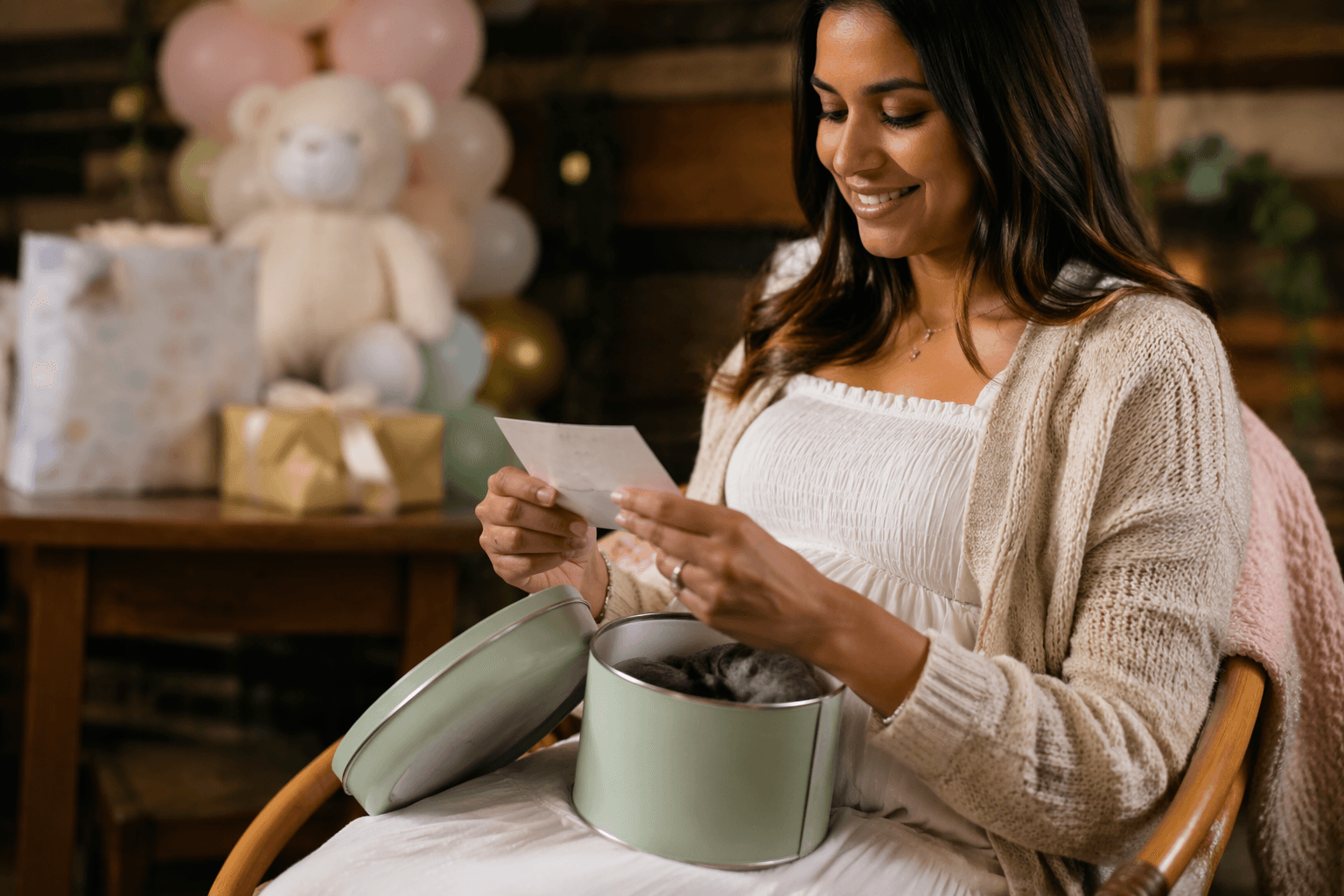
Five baby shower guessing games keep guests engaged and chatting
The strongest baby shower guessing games spark conversation without putting anyone on the spot. The best picks are simple to set up, easy for mixed-age groups, and memorable enough to keep after the cake is gone.
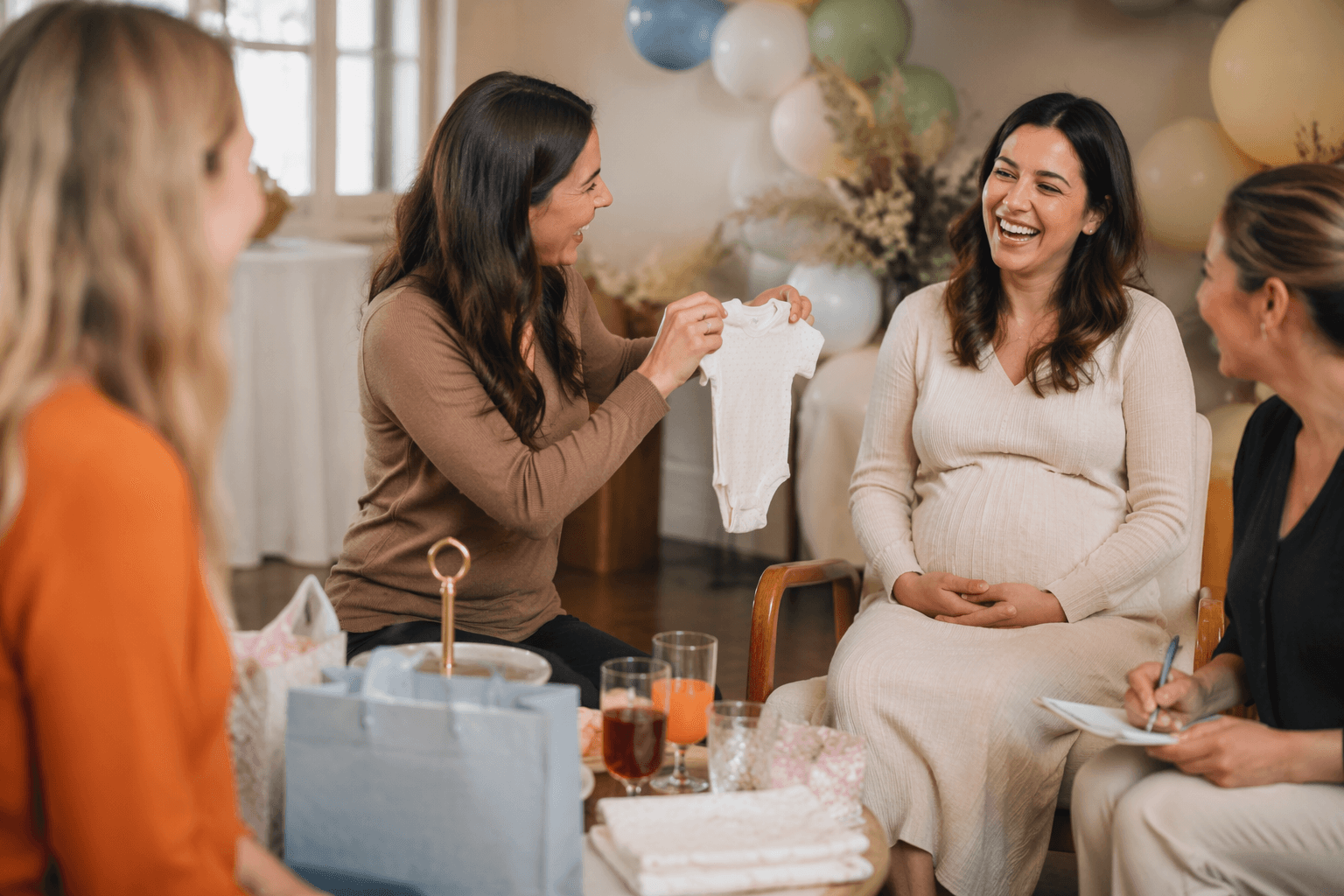
Baby shower games work best when they give guests something to do with their hands and something to talk about with the person beside them. Guessing formats have become especially reliable because they are low-pressure, easy to explain, and flexible enough for coworkers, cousins, and close friends at the same table.
That combination helps explain why this category has grown so crowded. Amazon search results now show more than 1,000 listings for “baby statistics baby shower game” and more than 2,000 for “baby shower guessing game,” which says less about novelty than about demand. Hosts are not just buying filler. They are looking for a quick way to turn a room of polite small talk into a room that actually hums.
Baby statistics cards keep the setup clean
The simplest version is also the most adaptable: a baby statistics card where guests fill in predictions about birth weight, due date, length, or other newborn facts. It works because the instructions are instantly legible, and the game can be placed on every seat before people arrive, which makes it one of the easiest formats to run when the host has a full agenda already.
This style fits mixed-age groups particularly well. Older relatives can participate without learning a rule set, and younger guests do not need performance skills or inside knowledge to join in. The appeal is in the comparison, not the pressure, which keeps the mood light and lets the room start talking naturally about what a baby might inherit, how big the parents were at birth, or which predictions feel bold versus cautious.
Measurement guesses make the room feel personal without getting awkward
Guessing the mother’s measurements is one of the most familiar pregnancy-themed formats, and it remains popular because it gives guests a concrete task while staying playful. The game has a little old-school charm, which is part of its staying power. It also creates a natural bridge between the social and sentimental sides of a baby shower, especially when the host wants something that feels tied to the family rather than a generic party insert.
What makes it effective is the balance between specificity and tact. The task is precise enough to be engaging, but it does not require anyone to be loud, competitive, or embarrass the parent-to-be. For planners who want a memory-friendly activity, this is one of the strongest options because the finished cards can be saved as part of the shower keepsakes, giving the game a second life after the event ends.
Trait prediction boards invite the most chatter
If the goal is to get the whole table talking, trait prediction boards are hard to beat. Guests can guess everything from hair color and eye color to whether the baby will be calm, curious, or a backseat napper, and each choice opens the door to stories about the parents, family resemblance, and what everyone thinks will show up first.
This is also where the social value of the game becomes obvious. The Bump notes that many hosts now prioritize activities that create conversation and lasting memories, and that preference lines up neatly with a prediction board’s strengths. It is engaging without being performative, and because 14 percent of respondents prefer challenge-style games, the format gives just enough competitive energy to keep people interested without turning the shower into a contest.
Birthweight and due-date guesses add a real-world hook
Some of the most engaging games are the ones that borrow a little authority from the real world. A birthweight-and-due-date guessing card gives guests a concrete anchor, and the public-health numbers make the game feel more grounded than a random icebreaker ever could. The CDC reported that 8.58% of U.S. babies were low birthweight in 2023, while March of Dimes said that in 2024 about 1 in 12 babies in the United States was low birthweight.
Those numbers do not turn the shower into a statistics lesson, but they do give guests something to discuss after they write down their guesses. A room full of predictions tends to generate a second layer of conversation about what is average, what is surprising, and how much baby size can vary. That makes the game useful for mixed crowds because it offers a topic that feels both friendly and substantive, without drifting into anything too personal.
Keepsake-style guessing cards are the best fit for hosts who want the room to remember the moment
The most giftable version of the category is the keepsake-style guessing card, which blends the function of a game with the appeal of a memento. This is the format that tends to satisfy traditionalists, especially in a baby shower culture that first surged in the postwar baby boom era of the 1940s and 1950s, when the gathering itself was about celebrating new beginnings. In that context, a guessing game is not just a diversion. It becomes part of the record of who was there and what they thought the baby would be like.
That is why the best versions of the game feel durable rather than disposable. They are quick to explain, easy to pass around, and polished enough to save in a memory box. For planners weighing style against speed, that is the sweet spot: a game that keeps guests engaged, protects the parent-to-be from awkward spotlighting, and leaves behind something worth keeping long after the last slice of cake disappears.
This article was produced by Prism’s automated news system from verified source data, official records, and press releases, then run through automated quality and moderation checks before publishing. The system is built and supervised by the people who set the standards it runs under. Read our full AI policy.
Know something we missed? Have a correction or additional information?
Submit a Tip