Forbes Vetted urges baby shower gifts that ease new moms’ recovery, sleep, stress
The smartest baby-shower gifts now center the mother’s recovery, not the nursery, with practical picks that protect sleep, time, and comfort.

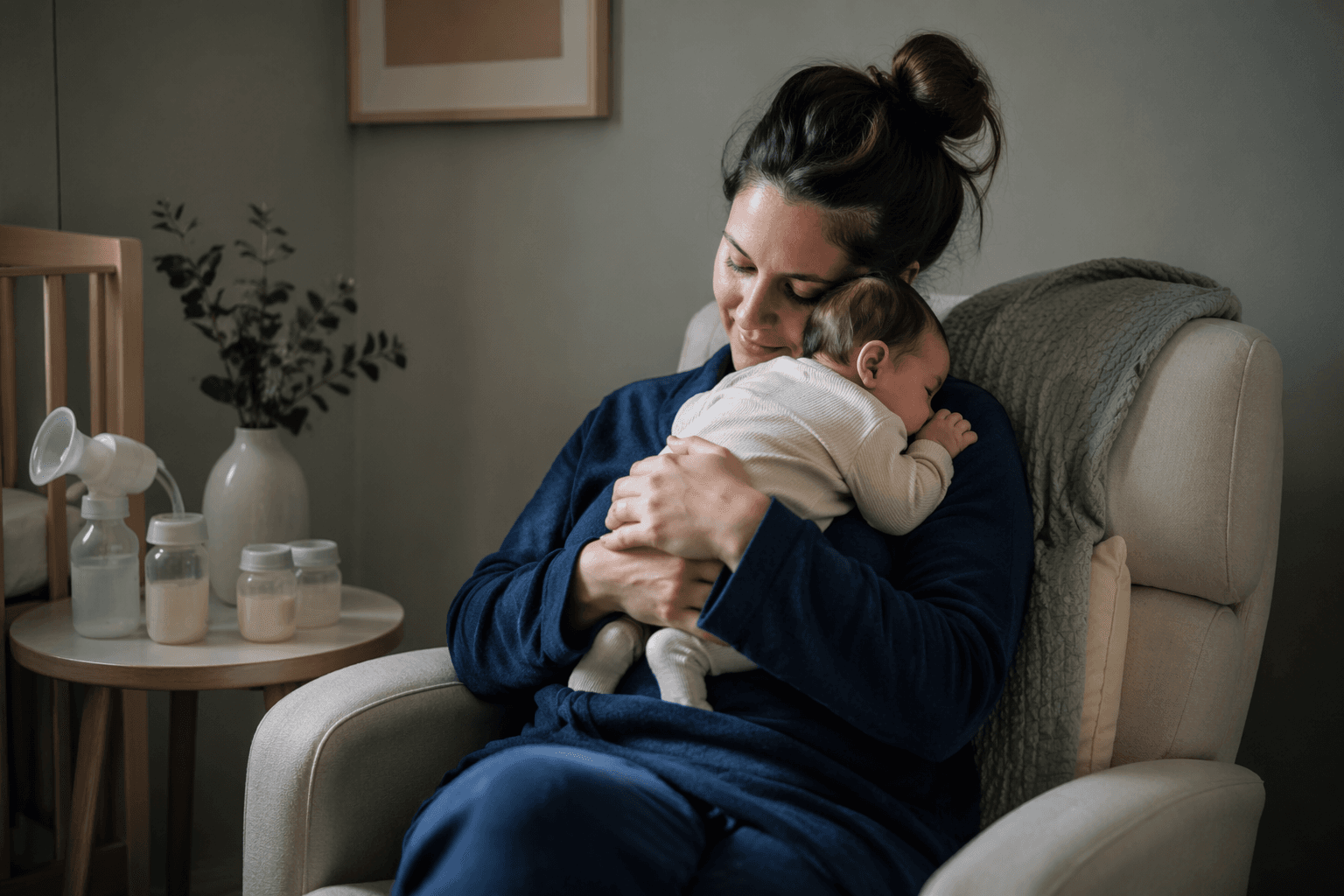
The smartest baby-shower gift right now is the one that gives a new mom time back. Forbes Vetted’s latest roundup makes that case clearly: after the shower, the most valuable presents are the ones that reduce recovery stress, protect sleep, and make everyday life feel easier.
Recovery is the real center of the gift conversation
Margaret Badore’s framing is straightforward and refreshingly practical. Instead of filling a home with more baby gear, she urges gift-givers to look for luxuries that make life easier and do not require extra effort from the mother. That shift matters because the first stretch after birth is not a novelty period, it is a recovery period, and the gift should match that reality.
The roundup was assembled from interviews with postpartum experts, shopping experts, new moms, and the editor’s own experience, which gives it a ground-level feel rather than a cute-preset-shopping-list vibe. Voices including Julie Brill, Elle Wang, and Emilia George help anchor the piece in what actually gets used, not just what photographs well.
What postpartum care really demands
The American College of Obstetricians and Gynecologists is explicit about what postpartum care should cover. Its comprehensive visit includes sleep and fatigue, physical recovery from birth, mood and emotional well-being, infant care and feeding, sexuality, contraception and birth spacing, chronic disease management, and health maintenance. It also defines the postpartum period as the 12 weeks following the birth of a child.
That framework makes the gift advice feel less like a trend and more like common sense. ACOG also says the postpartum period can be physically and emotionally challenging, and that support networks and regular postpartum checkups are key to recovery. March of Dimes adds the lived experience behind the clinical guidance, describing postpartum recovery as a time when new parents may feel sore, tired, and stressed, with adjustment taking time after childbirth.
The result is a very different way to think about gifting. If the mother is managing soreness, fatigue, mood changes, feeding decisions, and a body that is still healing, the most thoughtful present is the one that reduces one of those burdens even a little.
Small comforts can carry real weight
Julie Brill, a certified lactation consultant, doula, and childbirth educator, puts the idea in wonderfully plain terms: “I suggest gift-givers think about presents that will enable the new parent to treat herself in small ways...” That can mean chocolate, a beeswax candle, or a decadent soap, but the broader point is emotional as much as practical. A useful gift does not just solve a problem, it reminds the recipient that she is being cared for too.
That is why the list spans both self-care and utility. Pajamas, eye cream, a cozy wearable throw, postpartum care kits, and shower steamers all serve the same larger purpose: they make an ordinary moment feel less draining and more restorative. Even a quick shower can become a reset when the gift removes friction and creates a pocket of comfort.
The practical appeal of those items is obvious, but the emotional message is just as important. They tell the new mom that her comfort, recovery, and sleep are part of the celebration, not afterthoughts.
Gifts that buy back time
Some of the strongest suggestions are the ones that return a little control to a day that can feel chopped into fragments. A Grubhub gift card, for example, does not sound glamorous, but it can erase one more decision and one more errand. Unsweetened chai and honey offer a small ritual that can be enjoyed one-handed, when there is no room for a bigger routine.
A digital picture frame works in a different way, bringing family connection into the room without requiring the mother to organize anything. That kind of gift has staying power because it meets a new parent where she already is, at home, tired, and short on time. In the same vein, a wearable throw or a soft set of pajamas does not ask for preparation, cleanup, or extra energy.
That is the real common thread in the roundup. The best gifts are not the most elaborate ones, they are the ones that quietly remove a task, soften a routine, or make rest more possible.
Why sleep belongs at the center of the gift list
The focus on sleep is backed by more than good instincts. Peer-reviewed research has found that poorer objective sleep continuity in postpartum mothers is associated with decreasing maternal sensitivity during mother-infant interaction. In plain English, when sleep gets worse, the strain can ripple into the earliest relationship-building moments.
A 2017 postpartum sleep study found that postpartum women sleep an average of seven hours per night, but sleep efficiency is lower than in non-postpartum populations because of nocturnal infant caregiving. A review of perinatal and postnatal women found pooled poor sleep quality prevalence of 67.2% in postnatal women, which underlines how common the problem is. Sleep is not a luxury in this phase, it is one of the main resources being spent.
That is why a gift that improves rest, even indirectly, has real value. It may not look as obvious as a stroller accessory or nursery decor, but it can have a larger effect on the tone of the day and the feel of recovery.
Know when care becomes urgent
There is also a safety layer to postpartum gifting that rarely gets enough attention. The CDC says pregnant and postpartum women should get medical care immediately if they experience urgent maternal warning signs during or in the year after pregnancy. That reminder belongs in any serious conversation about new-mother support, because a thoughtful gift is not a substitute for attention to health.
The practical takeaway is simple: gift-givers can support comfort, but they should also respect the reality that postpartum recovery can shift quickly. Anything that reduces stress, saves steps, or encourages the mother to rest and monitor her own well-being is doing more than filling space in the house.
Forbes Vetted’s roundup captures a broader market shift too. Baby-shower-adjacent gifting is moving beyond cute newborn items and toward gifts that acknowledge recovery, fatigue, and limited time. That is a better standard, and one that treats the mother’s first months after birth as a serious phase of care, not just a backdrop for baby photos.
This article was produced by Prism’s automated news system from verified source data, official records, and press releases, then run through automated quality and moderation checks before publishing. The system is built and supervised by the people who set the standards it runs under. Read our full AI policy.
Did this article answer your question?