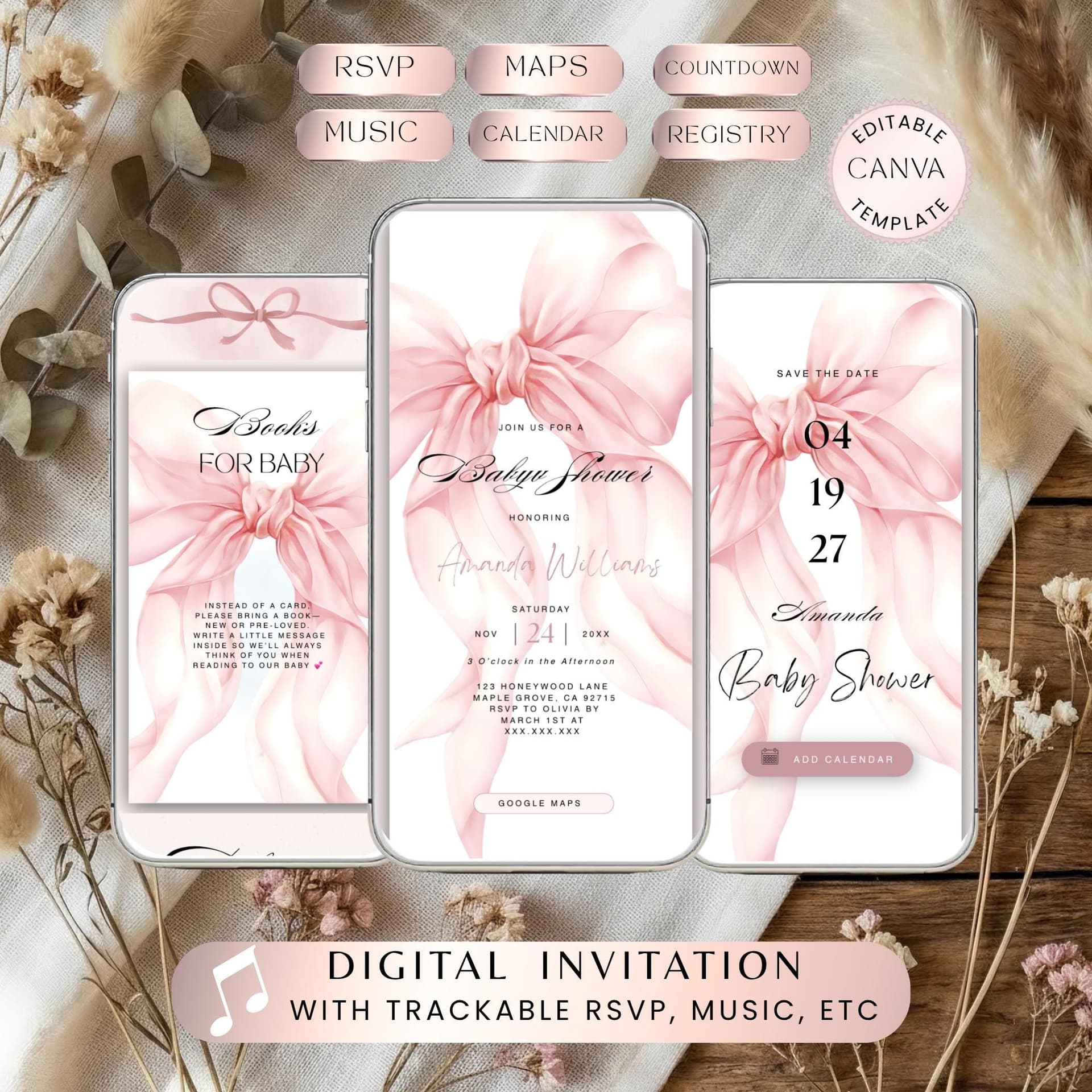
Gender-neutral baby shower invitations set the tone for modern celebrations
Neutral invitations do more than look polished: they clarify who’s invited, set the tone, and make modern shower planning easier for coed and family-inclusive events.

The best gender-neutral baby shower invitations do more than avoid pink and blue. They help you signal the guest list, the mood, and the level of formality before anyone walks through the door, which is exactly why they have become such a practical planning tool for modern celebrations.
Why neutral invitations matter now
Baby shower invitations are no longer just decorative mailers tucked into a scrapbook later. In a celebration where the details often shape expectations, the invite now works like a map: it tells guests whether the gathering will feel playful, elegant, rustic, or minimalist, and whether the event is designed for couples, families, or a broader coed crowd. That matters even more as hosts move toward neutral palettes and flexible designs that fit surprise births, shared-host events, and showers where the parent-to-be does not want a heavily gendered look.
The cultural backdrop helps explain the shift. Pew Research Center found in 2019 that 60% of Americans had heard at least a little about gender-neutral pronouns, and in 2021 about half said they would feel comfortable using one if asked. That familiarity has pushed inclusive language into the mainstream, and invitations are one of the first places that change shows up in real life.
What makes a template genuinely versatile
A versatile gender-neutral baby shower template has to do more than look clean on a screen. It needs wording that feels open and polished, customization that is simple enough for busy hosts, and formatting that still prints well if you want paper invitations instead of digital ones. The strongest options balance style with utility, so the design reads as intentional rather than generic.
That is where these invitations become part of the event’s identity. A template can quietly tell guests whether to expect a formal brunch, a backyard gathering, or a relaxed family party, and it can do that without leaning on assumptions about gender. Hosts increasingly want stationery that feels current but not fussy, and that combination is what separates a useful invitation from one that is merely attractive.
Let etiquette guide the wording
The clearest invitation copy usually follows the basic etiquette rule: send invites about four weeks before the event. That timeline gives guests enough notice to shop for a gift, request time off, or arrange child care and travel, which is especially important when the shower includes out-of-town family or a larger circle of friends.
Wording also needs to reflect the type of shower you are hosting. If it is coed, say so clearly, because guests may otherwise assume it is women-only. Minted’s guidance on coed baby shower invitations makes the point directly: include both parents’ names on the invite so the format is unmistakable and the guest list feels intentional. In practice, that small detail does a lot of work, especially for couples’ showers and family-inclusive events.
Digital delivery adds flexibility without losing polish
Digital invitations have become a standard option because they make the logistics easier. Evite’s couples’ baby shower invitations, for example, can be sent by text, email, or link, and the platform also supports RSVP tracking and up to three registries. For hosts trying to keep everything organized in one place, that is more than a convenience feature: it reduces back-and-forth messages and keeps the event details easy to update.
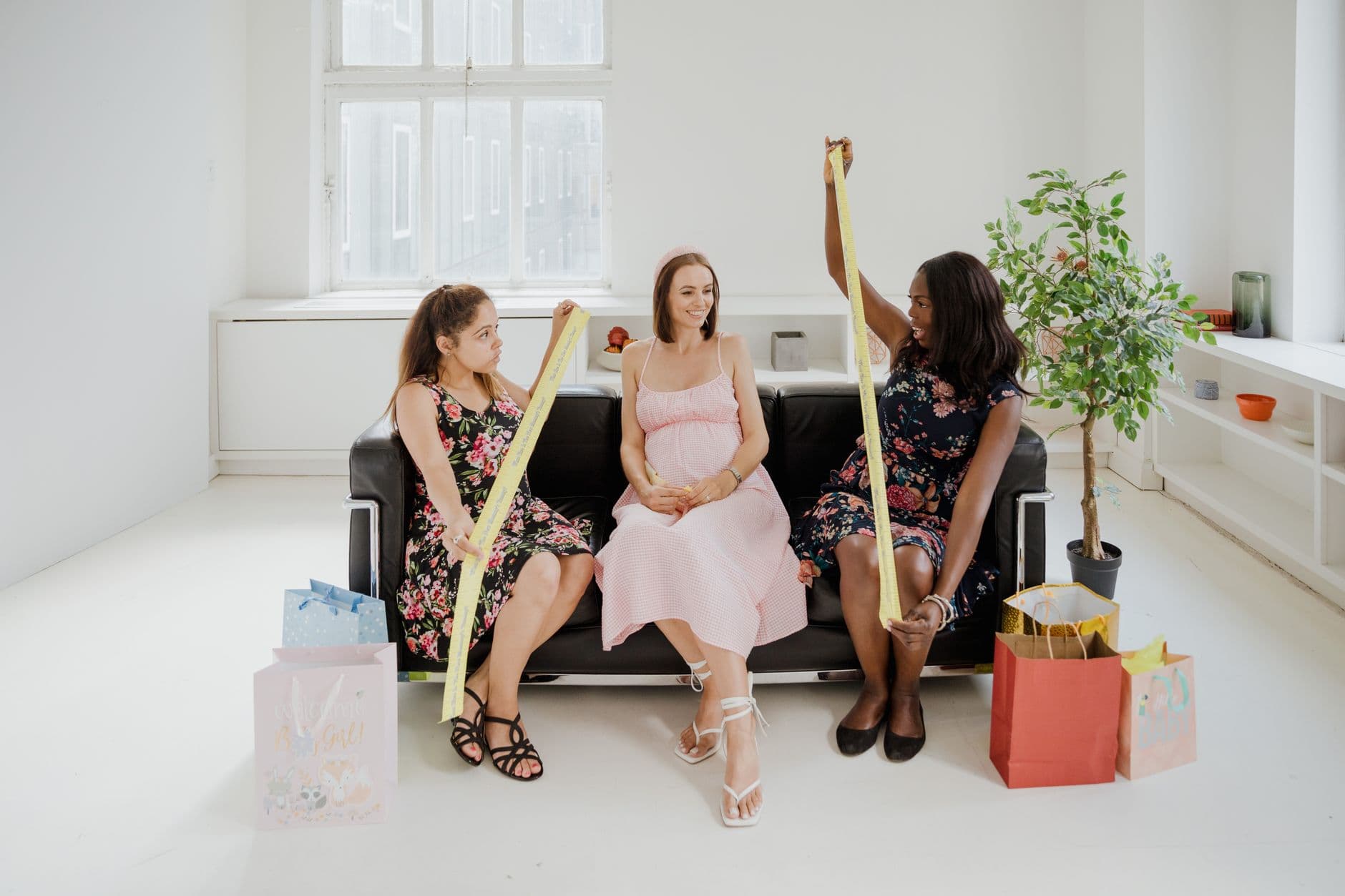
That flexibility matters for modern planning, where the invitation has to do more than announce a date. It often needs to steer guests toward registry information, confirm whether partners are invited, and make responding simple on any device. In that sense, digital formats and printable templates are solving the same problem from different angles: they make the invite easier to send and easier to understand.
Styles that work across more than one kind of celebration
Etsy’s marketplace shows how broad the demand has become, with gender-neutral baby shower invitations across woodland, teddy bear, greenery, gingham, safari, and Winnie-the-Pooh styles. That range is telling because it shows neutral does not have to mean bland. It can mean adaptable, with themes that fit everything from a relaxed nursery-inspired party to a more traditional gathering that simply avoids a pink-or-blue assumption.
The most useful templates are the ones that can travel across settings. A greenery design can feel elegant at a formal venue and calm at a backyard shower. A woodland or safari theme can work for a coed celebration, while gingham or teddy bear styles can land somewhere between classic and contemporary. What ties them together is that they look polished without locking the event into one narrow expectation.
From postwar tradition to today’s broader shower culture
The baby shower itself is not new. Etiquette guidance traces its rise to the postwar baby boom of the 1940s and 1950s, when the celebration became especially popular. What has changed is the range of formats now folded into the category: sprinkles, gender reveals, sip-and-sees, virtual showers, adoption showers, and coed parties all sit comfortably under the same larger umbrella.
That broader definition helps explain why invitation design has evolved so quickly. A modern shower may celebrate a first child, a blended family, a surprise birth, or a low-key gathering with close friends and relatives, and the invitation has to speak clearly to all of that. Neutral presentation and inclusive wording give hosts a way to match contemporary nursery aesthetics too, which often lean earthy or minimalist rather than strongly pink-or-blue.
The practical standard for modern hosts
The strongest gender-neutral invitations are the ones that make planning easier while still feeling special. They clarify who is invited, whether children are welcome, how to RSVP, and what kind of atmosphere to expect. They also help the event feel welcoming to different family structures and identities, which is why this category has become more than a design trend.
In the end, the modern baby shower invite serves as the first piece of event design and the first act of hospitality. When it is neutral, clear, and easy to use, it does exactly what a good invitation should do: it tells people they are included, and it does so with style that feels ready for the way celebrations are actually hosted now.
This article was produced by Prism’s automated news system from verified source data, official records, and press releases, then run through automated quality and moderation checks before publishing. The system is built and supervised by the people who set the standards it runs under. Read our full AI policy.
Know something we missed? Have a correction or additional information?
Submit a Tip