GrowHappy launches allergen ImmunoBars for toddler allergy maintenance
GrowHappy is taking allergy prevention out of infancy and into toddler snack aisles, pitching ImmunoBars as a way to keep peanut and tree nut exposure in rotation.
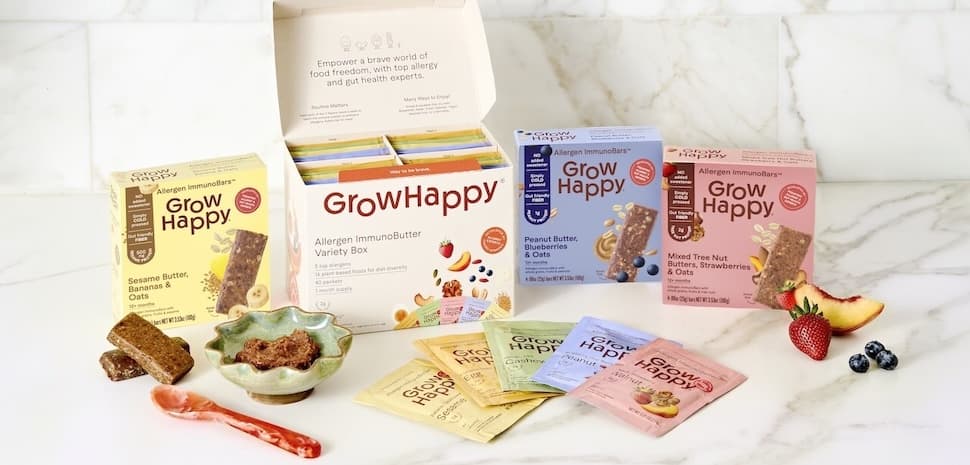
GrowHappy is pushing allergy guidance past the baby-bottle stage with ImmunoBars, a new snack it introduced on May 5 in Dallas during Food Allergy Awareness Month. The company says the bars are meant for children 12 months and older and are designed to help families keep peanut, sesame and mixed tree nut exposure in regular rotation as children move from infancy into toddler snacking.
That positioning is what makes the launch feel bigger than a single new product. Baby registries have long been built around the first months of feeding, when families are choosing spoons, purees and first solids. ImmunoBars lands in the next chapter, where the challenge is not introduction but consistency. GrowHappy is betting that parents want a ready-made way to keep allergens in the diet once the initial introduction window has passed.

The science GrowHappy is leaning on is real, and familiar to pediatric allergy specialists. Public-health guidance summarized by advocacy groups places early allergen introduction at about 4 to 6 months, when babies start solids. The landmark LEAP trial found that early peanut exposure in high-risk infants reduced peanut allergy risk by 81%, and follow-on LEAP-On reporting showed that the protective effect persisted after 12 months of peanut avoidance. George du Toit, a pediatric allergy expert and co-author on LEAP publications, has emphasized that the immune system learns through repeated exposure and that consistency matters after allergens are introduced.
That evidence gives ImmunoBars a credible foundation, but it also defines the limits of the claim. The product is not presenting a new medical protocol. It is trying to solve a practical problem that many families run into: once an allergen is introduced, keeping it in rotation is harder than the first spoonful makes it sound. In that sense, GrowHappy is selling adherence, convenience and a stage-specific format, not just nutrition.
The timing adds to the pitch. Food Allergy Awareness Week ran from May 10 to May 16, 2026, and Food Allergy Research & Education has said there are still gaps in awareness and implementation of U.S. food allergy prevention guidelines among pediatric healthcare providers. That leaves room for products that translate guidance into a snack parents might actually use. It also means shower gift-givers should read ImmunoBars with a careful eye. The concept fits the direction allergy prevention has taken since LEAP, but the value lies less in novelty than in whether families will treat it as a useful tool rather than wellness branding in a toddler wrapper.
This article was produced by Prism’s automated news system from verified source data, official records, and press releases, then run through automated quality and moderation checks before publishing. The system is built and supervised by the people who set the standards it runs under. Read our full AI policy.
Did this article answer your question?