Home and Housewares Gifts Gain Ground at Baby Showers, IHA Report Finds
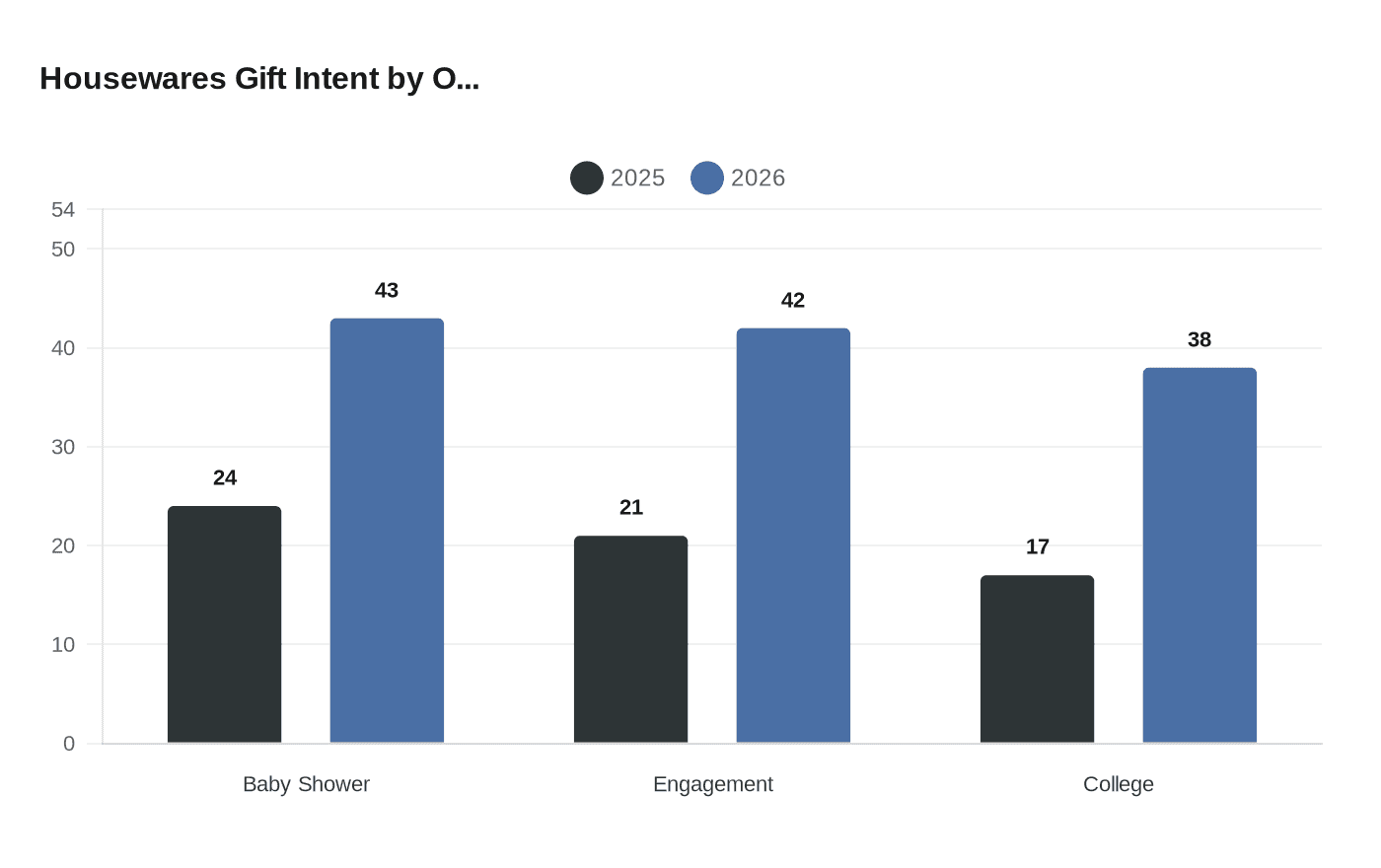
The share of consumers planning to buy home or housewares gifts for baby showers jumped to 43% in 2026, nearly doubling from 24% the previous year, according to new IHA survey data.
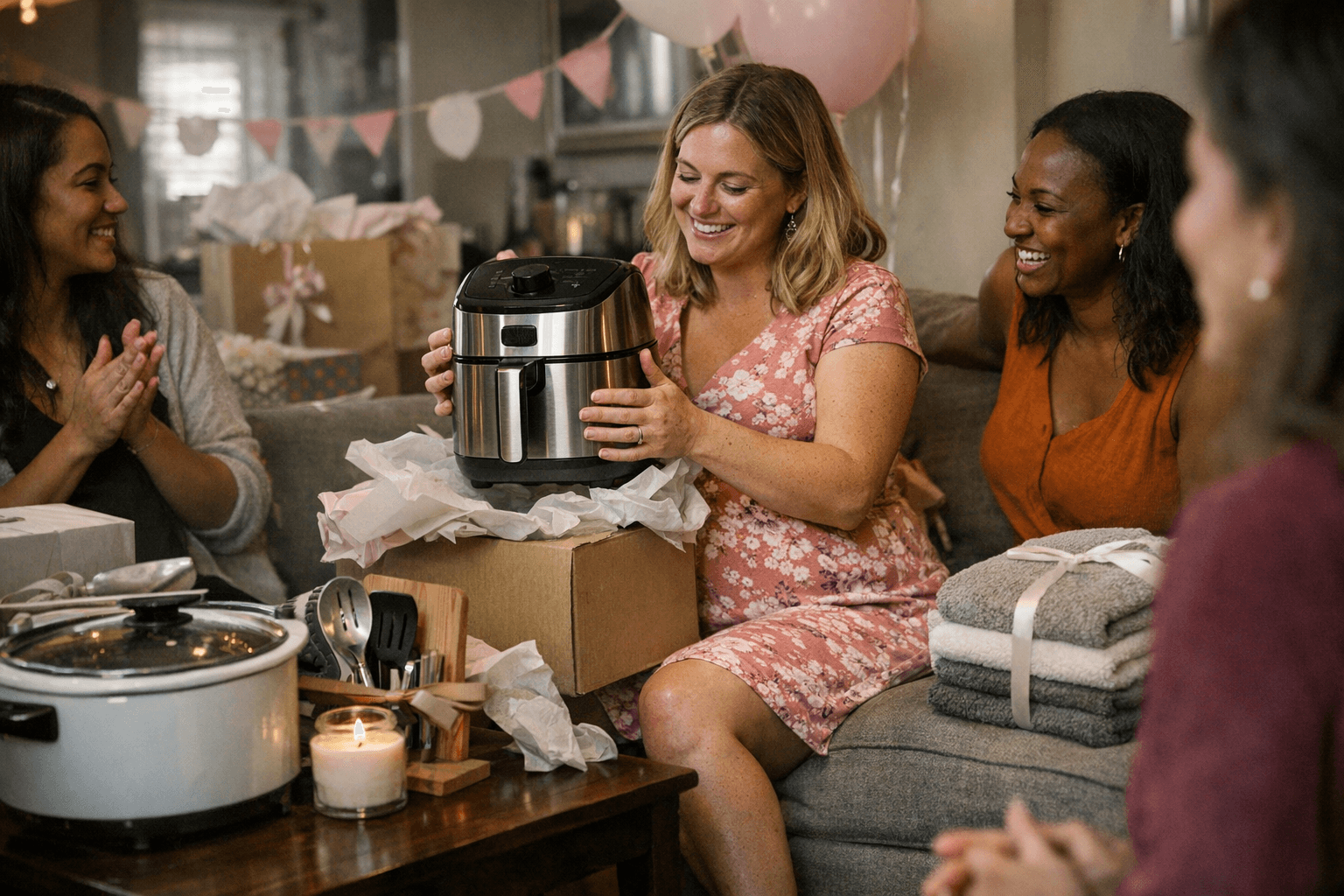
The number nearly doubled in a single year. According to the 2026 IHA Occasions Survey and At-Home Entertaining Survey, conducted by Morning Consult for the International Housewares Association and published by HomePage News, 43% of consumers now say they plan to purchase a home or housewares item as a baby shower gift, up sharply from 24% in 2025. That kind of year-over-year movement is not a blip; it is a category reordering with direct consequences for how registries are built, marketed, and fulfilled.
The shift reflects a recalibration of what baby shower gifting is actually for. Rather than defaulting to onesies and novelty nursery decor, a growing segment of consumers is framing their purchases around postpartum household function: kitchenware that makes meal prep manageable on four hours of sleep, storage solutions that survive toddlerhood, textiles that earn their keep long after the newborn phase ends. The IHA research frames this explicitly, positioning kitchen and home goods as durable, long-use presents that align with modern parenting priorities including meal prep, sleep routines, and home safety.
The baby shower finding is not an outlier within the broader survey. Across the eight life events tracked by the 2026 Occasions Survey, housewares are gaining ground at a consistent rate. Consumers open to giving home or housewares items at engagements rose to 42% this year, up from 21% in 2025. For college-bound students, the figure climbed from 17% to 38%. The throughline is a consumer base increasingly drawn to gifts with functional permanence over symbolic novelty.
For registry platforms and retailers, the data presents a concrete repositioning opportunity. The IHA research recommends placing housewares higher in registry checklist templates and improving search tagging to surface "uses after baby" benefits for browsing guests. Bundle configurations that pair a slow cooker with a storage set and feeding supplies at a single price point can increase average order value while giving registrants a more intuitive path to completing a list. The key performance metrics worth tracking: registry add-rate by product category, average order value for registry purchases, and per-guest spend for at-home showers across urban and suburban segments.
The survey also documents a parallel shift in how showers themselves are structured. Consumers are gravitating toward smaller, more intentional at-home gatherings with higher per-guest spend and activity-based programming. That format puts pressure on quality provisioning and curated housewares over bulk decorations, and it opens a co-marketing lane for event studios and brands, including live product demonstrations tied to practical postpartum scenarios such as batch-cooking for sleep-training weeks.
For guests navigating whether a home gift is appropriate: when the expecting family has explicitly listed kitchen or home items on their registry, a small appliance or quality textile set reads as thoughtful and well-researched. Without that registry signal, a purely practical home gift risks landing as impersonal at a milestone occasion. The registry remains the clearest permission structure.
IHA and HomePage News note that the Occasions Survey is best used as directional intelligence, and local market preferences and cultural norms still drive meaningful variance. Retailers should layer these findings against first-party transaction data before restructuring assortments. But when a single gifting category nearly doubles its consumer interest in twelve months, the signal is clear enough to act on.
This article was produced by Prism’s automated news system from verified source data, official records, and press releases, then run through automated quality and moderation checks before publishing. The system is built and supervised by the people who set the standards it runs under. Read our full AI policy.
Did this article answer your question?