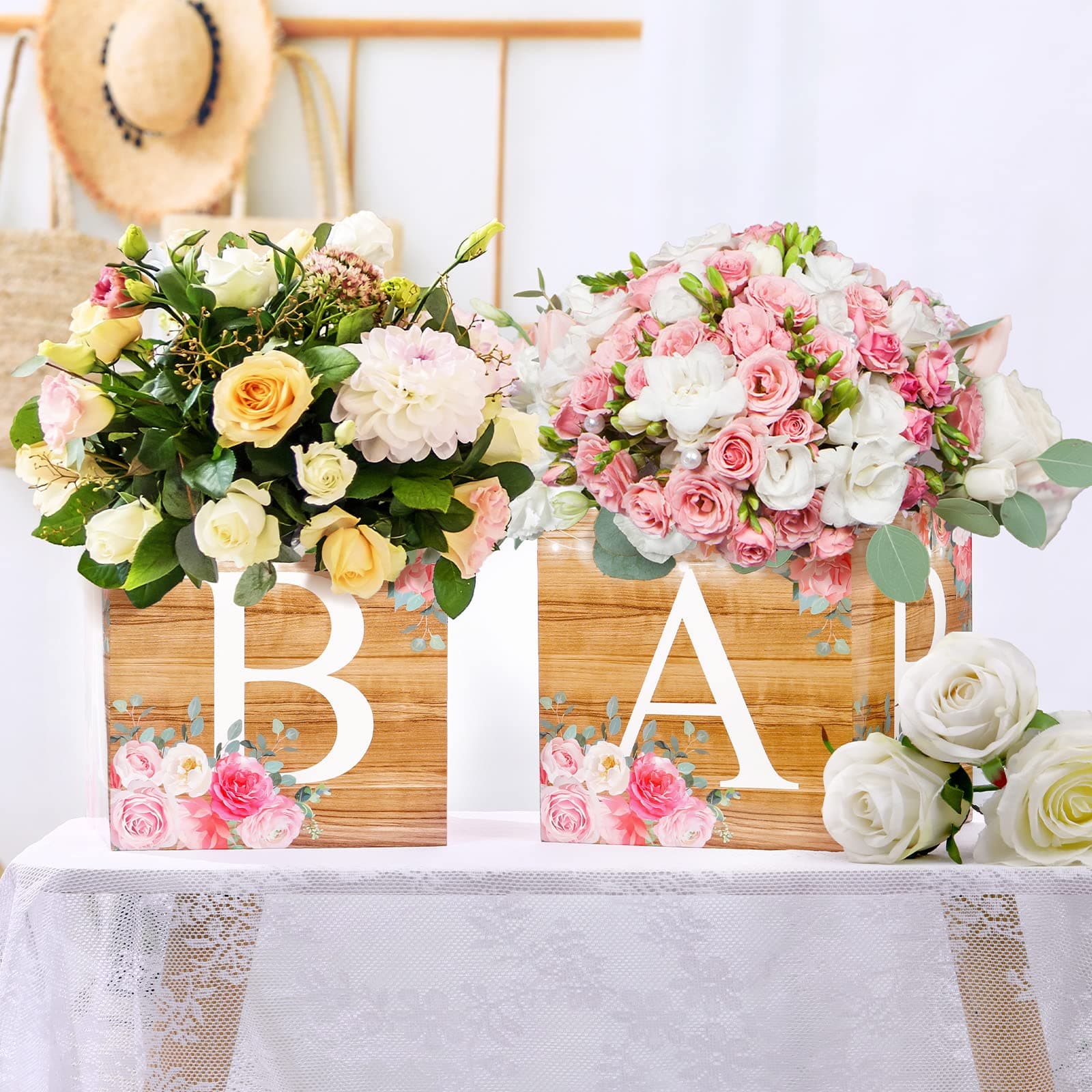
How menu and seating cards improve baby shower flow
Menu and seating cards do the quiet work of a baby shower: they cut confusion, speed up settling in, and make the whole event feel planned.
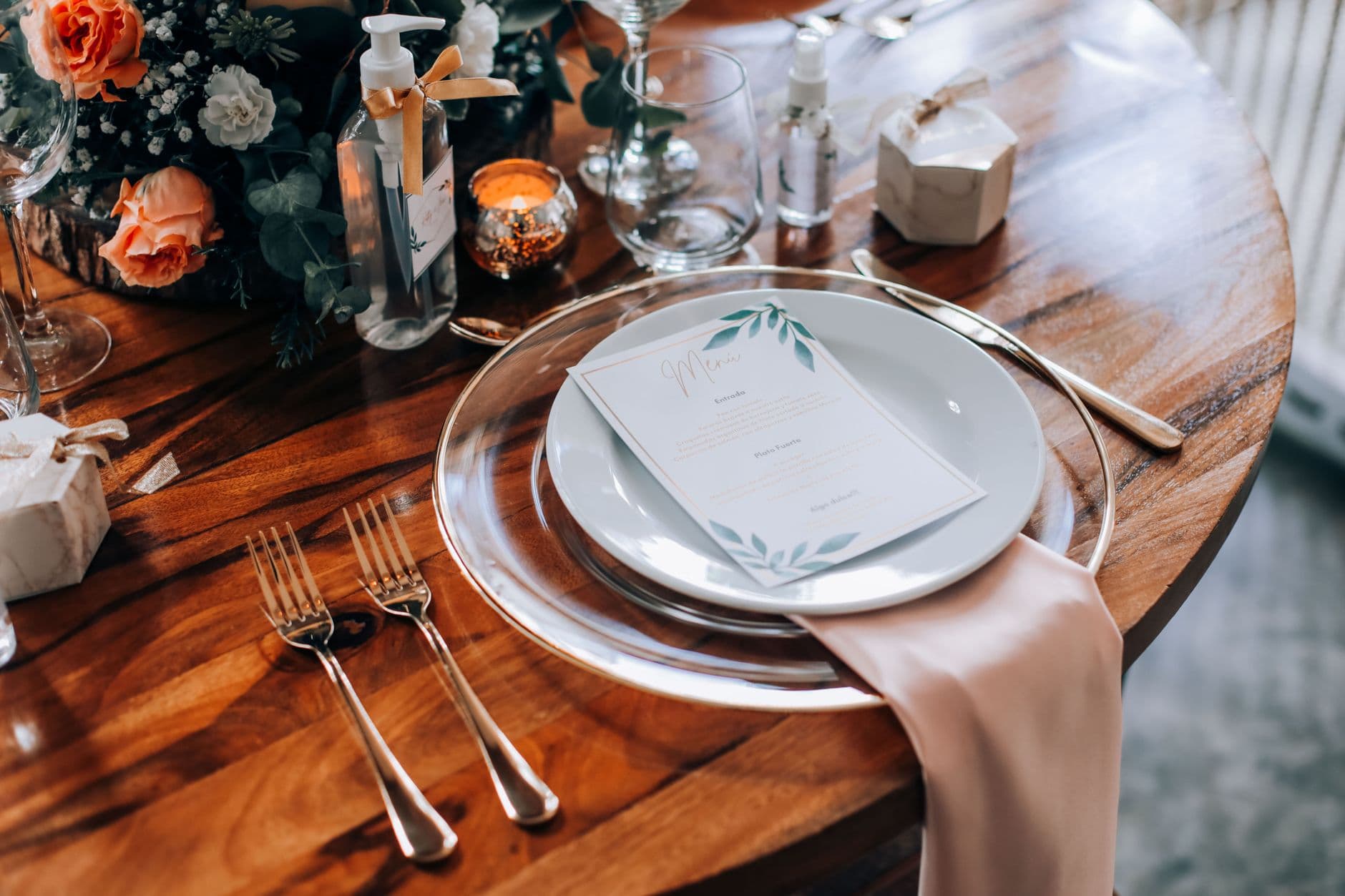
Menu cards and seating details do more than dress a table. They help guests understand where to sit, what to expect for the meal, and how the shower is organized, which makes the first few minutes of the event feel calm instead of chaotic.
Why the smallest printed details change the whole room
Baby showers have been part of social life since the postwar baby boom of the 1940s and 1950s, and today’s versions are often treated like carefully hosted experiences rather than loose drop-in gatherings. That shift matters because the event itself is compressed: invitations are typically sent about four weeks ahead, the shower usually lasts two to three hours, and the meal plus gift-opening fill most of that time. When the schedule is tight, guests cannot spend the first half hour figuring out where to sit or whether lunch is plated, buffet-style, or set out at home.
That is where menu cards and seating cards earn their keep. Clear cards reduce the repetitive questions hosts hear all day, support guests with dietary needs, and help people settle in faster. Instead of interrupting the flow to explain the setup one table at a time, the host can welcome arrivals, check on the parents-to-be, and keep the event moving.
Organization is part of hospitality
The strongest case for menu and seating cards is not decorative, it is operational. The Knot’s guest-list tools are built around organizing guests, tracking RSVPs, and collecting details like meal choices, which reflects how much planning goes into even a modest shower. Place cards also fit naturally into this system: assigning tables and seats is considered appropriate for a baby shower, and the cards can be styled to match the venue décor.
That kind of structure is especially useful when the guest list includes a mix of family, friends, coworkers, sisters, aunts, or even mom, since The Bump notes that any close connection to the parents-to-be can host. With a wider circle of hosts and guests, the event often needs a clearer framework. Seating cards keep the room from feeling ad hoc, while menu cards let everyone see immediately whether the meal is catered, cooked at home, or served buffet-style.
How the cards support different service styles
Menu and seating cards work because they adapt to the way the food is being served. At a catered brunch, a simple menu card can signal the courses in advance and cut down on confusion at the table. At a home-kitchen shower, the same card can organize a buffet by listing what is available, which is especially helpful when guests have to navigate serving lines and dietary restrictions.
Seating information matters just as much. A set table arrangement works well when the event is more formal, but the same idea can be used at an intimate party with a few assigned seats or small table markers. When the host is juggling gifts, food, and greetings, guests who already know where to land move through the room with less hesitation. That is the practical payoff: smoother circulation, fewer bottlenecks, and a more relaxed start.
Style does the branding, but flow does the heavy lifting
Minted’s current baby-shower decor categories include menu signs, welcome signs, favor signs, and activity cards, which shows how coordinated paper goods have become part of the standard shower design ecosystem. That matters because menu and seating cards are no longer just afterthoughts. They function as a design layer that can reinforce a theme, whether the event leans elegant, playful, or neutral.
The guide behind these ideas points to five practical approaches that suit different aesthetics, from rustic to modern and from formal brunches to intimate parties. That range is useful because it shows the cards are not tied to one look. A rustic setup might use softer textures and simple place cards, while a cleaner modern shower can lean on crisp typography and minimal layouts. The point is not to overdecorate; it is to make the printed pieces feel like part of the room rather than separate from it.
When the extra effort is worth it
Menu and seating cards are most valuable when the guest list is larger, the meal has more than one component, or the host wants the shower to feel composed from the moment people arrive. They are also a smart choice when the schedule is tighter, since baby showers typically run only two to three hours and the meal and gift-opening take up most of that window. In that short span, any friction at the table becomes noticeable fast.
Timing matters too. The Bump advises sending invitations about four weeks before the event and says it is generally better to hold the shower earlier in pregnancy rather than later, both for comfort and logistics. That makes advance planning more important, not less. Once the date is set, the printed pieces help lock in the experience: the host can confirm meal choices, map the seating, and make the room feel intentional without adding unnecessary complexity.
Practical setups that improve guest flow
Some of the best setups are the simplest:
- A buffet shower with one menu card at the food station and one seating card per table, so guests know what is being served before they line up.
- A formal brunch with assigned seats and matching place cards, which helps the room feel organized the moment guests arrive.
- A small home gathering with a single display card listing the meal and a few name cards at the main table, enough to guide seating without making the party feel stiff.
- A themed shower using coordinated menu signs, welcome signs, favor signs, and activity cards, which keeps the look unified while still serving a real logistical purpose.
Party City’s white place cards marketed for baby showers show that even basic versions have a place in the market. The appeal is obvious: the host gets structure, the guests get clarity, and the event feels more polished without becoming overproduced.
That is the real value of menu and seating cards. They do not just make a baby shower prettier; they make the entire room easier to navigate, which is exactly what a good host wants when the celebration has to feel warm, efficient, and thoughtfully put together from start to finish.
This article was produced by Prism’s automated news system from verified source data, official records, and press releases, then run through automated quality and moderation checks before publishing. The system is built and supervised by the people who set the standards it runs under. Read our full AI policy.
Did this article answer your question?