Huggwaii guide centers baby-shower gifts on sleep, comfort, and survival
Huggwaii’s gift guide trades novelty for nighttime relief, steering baby-shower buys toward sleep, hydration, comfort, and meal support.
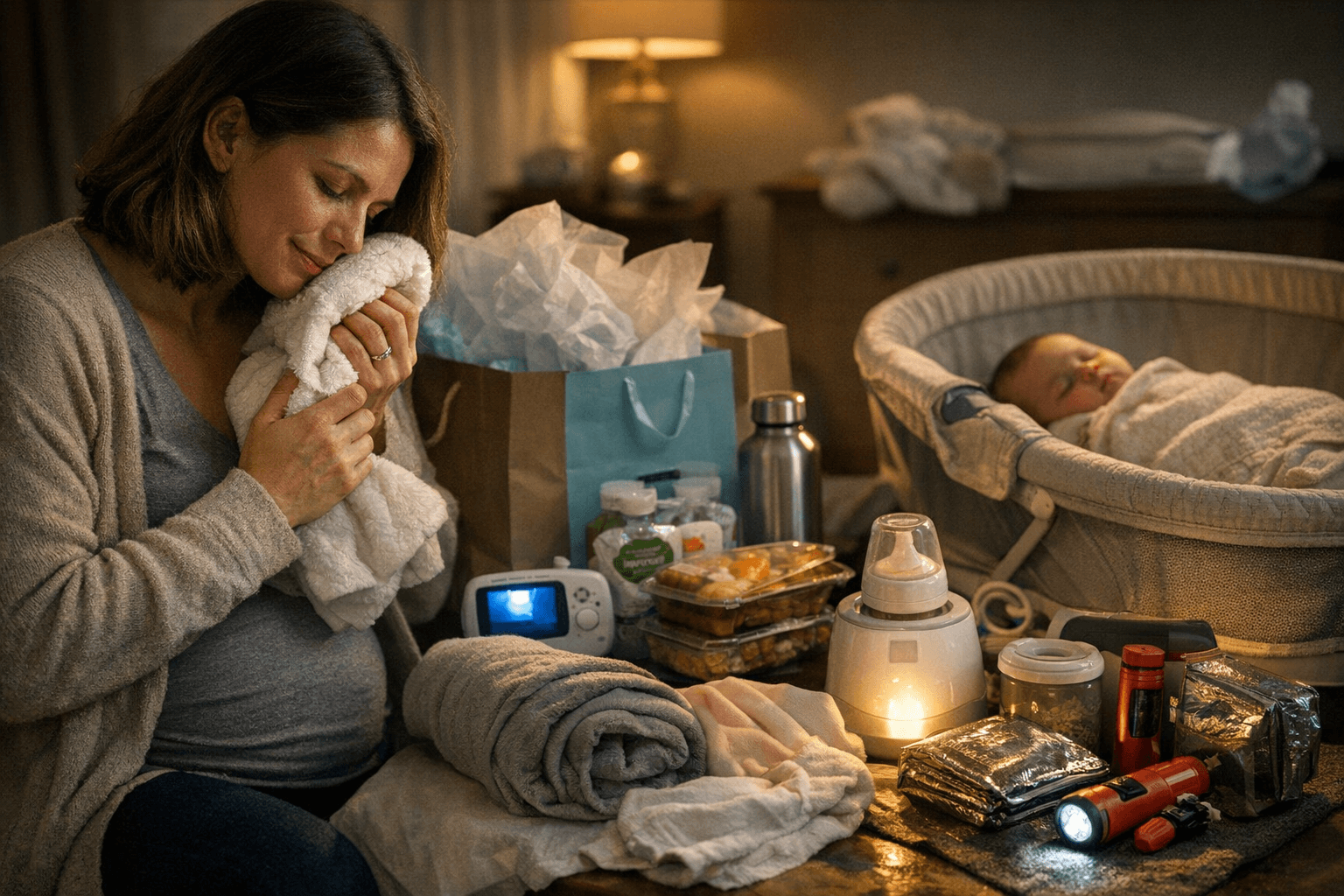
Sleep, not sentiment, drives the new baby-shower brief
Huggwaii’s latest guide makes a blunt case for the exhausted new-parent reality: the best baby-shower gift is the one that helps someone get through the night. Instead of leaning on decorative keepsakes or another stack of cute extras, the guide frames usefulness as the highest form of thoughtfulness, especially for the mother recovering after birth.
That shift matters because the early postpartum period is not just busy, it is medically and emotionally fragile. The American College of Obstetricians and Gynecologists says postpartum care should be an ongoing process, with contact within the first 3 weeks after birth and a comprehensive visit no later than 12 weeks. It also notes that while postpartum is often defined as the first 12 weeks, the whole first year is a high-risk time for new mothers.
Why the guide puts function ahead of novelty
The logic behind the guide is simple: sleep disruption drives a lot of the strain in the fourth trimester. Postpartum Support International says 1 in 5 moms and 1 in 10 dads suffer from postpartum depression, which makes anything that lowers stress or decision fatigue more than a convenience play. A 2024 review in Seminars in Perinatology goes further, identifying postpartum sleep disruption as both a risk factor for postpartum depression and a potential treatment target.
That review also points out that in the first 6 months after delivery, fragmented maternal sleep is most often tied to necessary infant night feedings. Another study found that poorer objective sleep continuity at 18 weeks postpartum was associated with decreasing maternal sensitivity during infant interactions. In plain terms, helping a parent stay a little more rested may support both mood and caregiving.
The six gift categories that actually solve a 3 a.m. problem
Huggwaii organizes its recommendations around six practical categories, each built to reduce the friction of the newborn routine rather than decorate it. The point is not indulgence for its own sake. It is to make feeding, recovering, and moving through the night less punishing.
Soft night lights
A soft night light is one of the easiest ways to make overnight feeding and diaper changes less disruptive. The guide treats low, gentle light as a practical tool, not a nursery accessory, because it helps parents navigate without fully waking themselves or the baby. That matters when the goal is to get back to sleep as quickly as possible.
White-noise machines
White-noise machines sit squarely in the sleep-support category, and the guide presents them as a way to improve the household’s nighttime rhythm. The appeal is clear for parents trying to settle an infant while preserving as much sleep as possible for themselves. There is also a safety context here: the American Academy of Pediatrics cautions about noise exposure and infant sleep environments, so the message is not that louder is better, but that any sleep aid should be used carefully and in line with safe-sleep guidance.
Smart water bottles
Hydration is easy to forget in the haze of postpartum care, which is why Huggwaii includes smart water bottles among its most useful ideas. These gifts are meant to nudge new moms to drink more often, especially during long stretches of feeding and recovery. The value is practical and immediate: a small reminder can make a real difference when a parent is running on little sleep and constant interruptions.
Comfortable robes
A comfortable robe may sound simple, but the guide treats it as postpartum comfort gear, not a luxury. It is useful when a parent needs quick coverage, easy layering, and a softer transition between bed, feeding, and short trips around the house. In a period when comfort and mobility matter more than polish, a robe earns its place by making the day and night slightly easier.
Healthy snack subscriptions
Nutrition becomes harder when every minute is spoken for, so healthy snack subscriptions fit the guide’s utility-first logic. They reduce the scramble for something quick and help bridge the gap between meals when parents are too busy to cook. The benefit is not just convenience, but maintaining enough energy to handle overnight wake-ups and the rest of the day.
Meal delivery or meal-train support
Meal support is the most direct form of household relief in the guide. MealTrain.com describes meal trains as a way to organize meals after birth, surgery, illness, or sickness, which underscores how normal it is to treat food as a form of practical care. For a new family, one less decision about dinner can mean one less burden on the parent who is trying to recover, feed the baby, and stay upright.
How the price tiers make the guide usable
One of the clearest strengths of the guide is its budget range. Huggwaii frames its picks across under $30, $30 to $50, and $50 to $100, which makes the list useful for coworkers, close friends, and family members who are shopping with very different limits. That structure reflects how baby-shower buying actually works: not everyone is willing or able to spend the same amount, but almost anyone can contribute something that improves the first few weeks at home.
The tiered approach also reinforces the guide’s larger message. A gift does not have to be expensive to be valuable, but it does have to solve a real problem. A small night light or snack gift can still matter if it removes one difficult step from the overnight routine.
Why the health guidance backs up this gift logic
The newborn phase is not an abstract sleep challenge. The Centers for Disease Control and Prevention says newborns wake every few hours to feed, and that sleep deprivation can be very challenging for parents. It also reported about 3,700 sleep-related infant deaths in the United States in 2022, which is why sleep-related products have to be understood through the lens of safe-sleep practices rather than shortcuts.
The American Academy of Pediatrics says about 3,500 infants die each year in the United States from sleep-related causes and recommends reducing hazards in the sleep environment. That makes the guide’s practical focus especially relevant: anything intended to help with nighttime care should support safe routines, not complicate them. The result is a smarter gift standard, one that values utility, low stress, and safer night-time caregiving over novelty.
A better definition of thoughtfulness
What Huggwaii really does is redefine the meaning of a thoughtful baby-shower gift. The strongest choices are not the ones that look best on a shelf, but the ones that help a parent get through a 3 a.m. feeding, hydrate without thinking, eat without cooking, and recover with a little less strain. That is the real market signal here: baby-shower gifting is moving toward support products that serve the family, not just the nursery.
Sources:
Know something we missed? Have a correction or additional information?
Submit a Tip