Kidbea Raises Rs 30 Crore Series A to Expand Sustainable Kidswear Retail
Kidbea closed a Rs 30 crore Series A in March 2026, hitting Rs 100 crore ARR as the Noida bamboo-kidswear brand races to open 100 exclusive stores.

Noida-based kidswear brand Kidbea closed a Rs 30 crore Series A round in late March 2026, backed by lead investor Enrission India Capital alongside Inflection Point Ventures, LetsVenture, FE Securities, Venture Catalysts, and Lead Angels. The raise, measured against a claimed annual recurring revenue of Rs 100 crore, is the most significant capital infusion yet for a D2C brand that has staked its identity on bamboo-based textiles for infants and toddlers aged zero to six years.
Founded in 2021, Kidbea sells rompers, onesies, nightwear, and newborn accessories built around bamboo-derived fabric. The brand previously raised a $1 million pre-Series A in January 2024; this latest round represents a meaningful step up in both scale and investor confidence. In FY25, the company doubled net revenue to Rs 42 crore and reported a net profit of Rs 35 lakh on an EBITDA margin of 2.5%, thin but positive numbers that indicate a brand past its purely growth-at-any-cost phase. The founders outlined plans to open more than 100 exclusive brand outlets and penetrate 200 or more multi-brand stores across India within the next 12 to 24 months. "The fresh capital will help Kidbea expand its retail footprint, launch new product categories, and further strengthen its bamboo-led brand positioning across India," the founders told press outlets.
Bamboo fabric's appeal for infant clothing is grounded in real properties. The fiber's natural breathability regulates body temperature better than conventional cotton in humid climates, and bamboo-based textiles carry documented antibacterial characteristics. Wash durability is also a genuine advantage; bamboo-derived fabrics typically retain their softness across repeated laundering at low temperatures, which matters for households running the washing machine daily. These qualities translate directly into practical gift value: newborns spend most of their hours in garments pressed against sensitive skin, and a onesie that stays soft through 50 washes is worth considerably more than one that pills after ten.
Where bamboo marketing drifts into hype is in sustainability claims. Most bamboo fabrics sold commercially are viscose or rayon derived from bamboo pulp, a process that uses chemical solvents. "Bamboo fabric" on a label does not automatically signal an eco-clean supply chain. The OEKO-TEX Standard 100 certification independently tests finished textiles for over 100 potentially harmful substances and covers every component from thread to buttons; it is the most practical baseline to verify on a product listing before purchasing. GOTS (Global Organic Textile Standard) certification addresses the full supply chain rather than just the end product, representing the more rigorous threshold for brands making holistic sustainability claims. Verify which certification is actually present on the product page, not just whether the brand uses sustainability language.
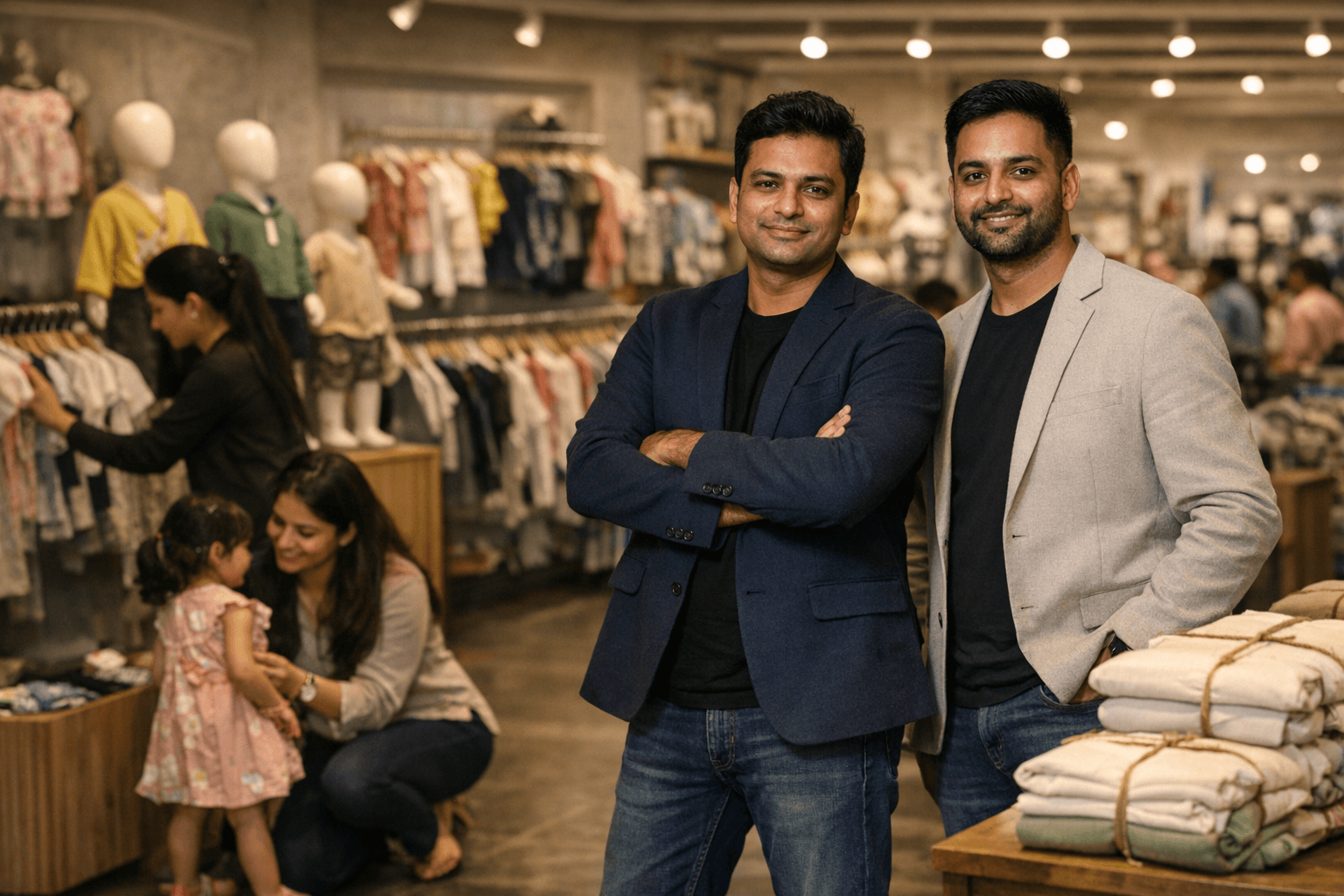
Kidbea's offline push directly addresses one of the practical frustrations of baby shower shopping: inconsistent sizing. Baby clothing sizing varies significantly across brands, and the ability to assess a fabric's weight, check construction quality, and confirm return policies in person reduces the risk of a gift that never gets worn. As Kidbea transitions from primarily direct-to-consumer digital sales toward more than 100 brick-and-mortar outlets, size exchanges should become more manageable for buyers in Indian urban centers.
"We combine sustainability with affordability," co-founder Swapnil Srivastav has said of the brand's positioning. "Our bamboo-based, plant-friendly clothing appeals to parents who want safe, eco-friendly options for their children without spending too much." At Rs 100 crore ARR and with institutional capital now behind its retail buildout, Kidbea's category shift from digital challenger to omnichannel brand is moving faster than most sustainable kidswear peers in India.
Sources:
Know something we missed? Have a correction or additional information?
Submit a Tip