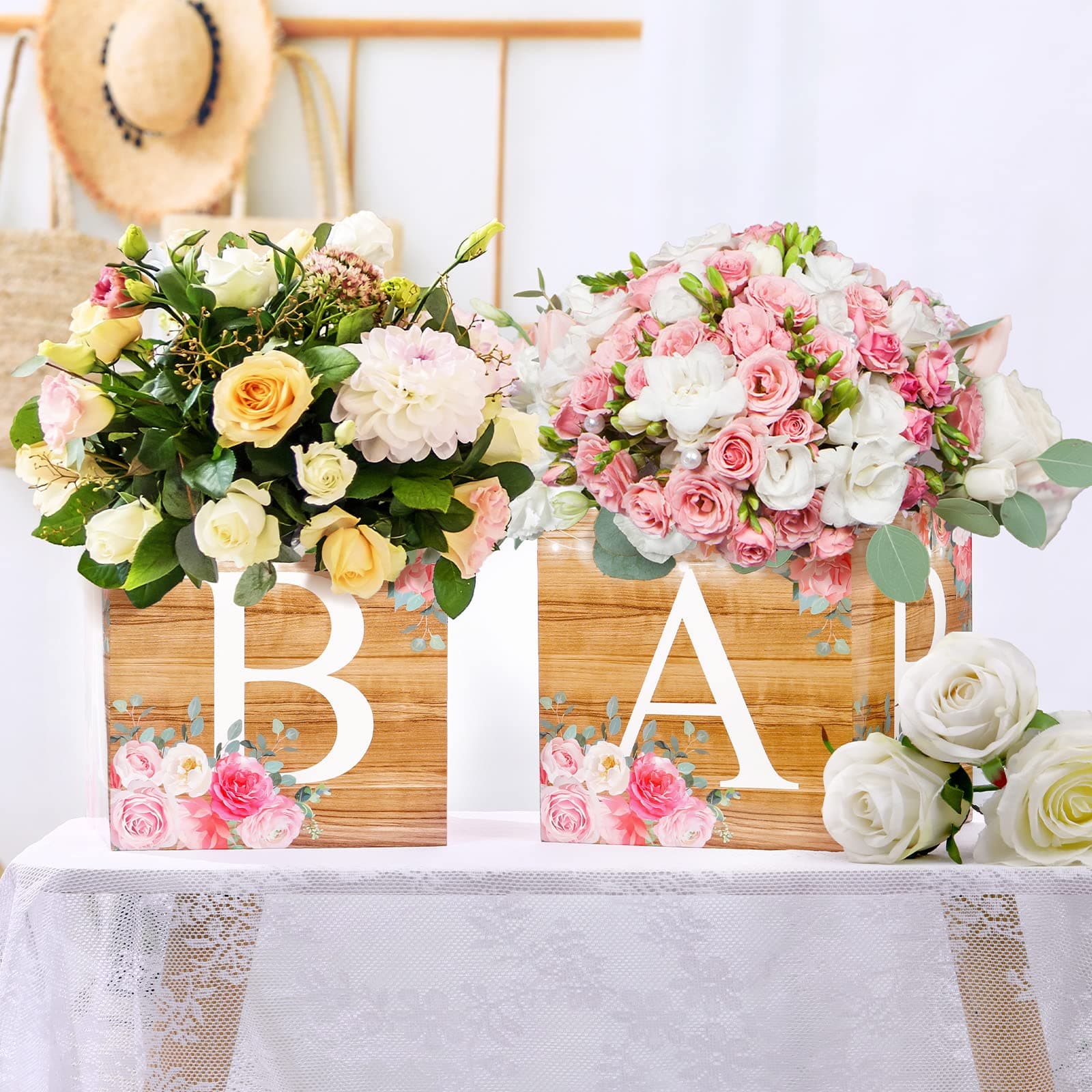
Lavington Designs says baby shower gifts should fit budget and registry
The best baby-shower gift is not the priciest one, but the one that fits your relationship, the registry, and your budget.

Spend with the relationship, not the room
Lavington Designs takes the anxiety out of baby-shower gifting by making one thing clear: there is no single perfect number. The right amount depends on how close you are to the parents, what kind of shower you are attending, whether you are buying alone or with others, and what you can comfortably spend without letting social pressure take over.

As a starting point, the guide points to roughly $20 to $50 for coworkers or casual acquaintances, $50 to $100 for close friends or family, and $100 or more for grandparents, siblings, or pooled gifts. That range works best as a decision framework, not a rulebook. If the invitation is for a smaller circle, or if you are attending a shower with people you barely know, the lower end makes sense. If the shower is for a sibling, a best friend, or a group contribution to a bigger item, the higher end is a natural fit.
Use the registry as your anchor
The clearest way to avoid overspending is to start with the registry. Emily Post says registry information should not appear on the invitation itself, but it can be enclosed on a separate sheet, and guests should feel free to choose the gifts they think are best, registry or no. That leaves room for judgment, but it also explains why registries exist in the first place: new parents need specific items and want to avoid duplicates.
Lavington Designs pushes that idea further by treating the registry as a practical map rather than a script. A thoughtful gift does not need to be expensive to be useful. A pack of diapers paired with a personalized lovie, a baby monitor paired with an embroidered blanket, or bath items paired with a monogrammed hooded towel can feel both personal and purposeful. The strongest gifts solve a real need first and add sentiment second.
Think in terms of solo gifts, shared gifts, and the size of the item
Baby-shower etiquette gets easier when you sort gifts by what you are actually trying to cover. Emily Post notes that group gifts are an accepted way to handle larger baby items such as strollers or car seats, and that matters because those are often the purchases that push budgets out of reach for a single guest. Pooling money can turn an intimidating price tag into a practical contribution that still feels generous.
That is where the Lavington Designs ranges become especially useful. A $20 to $50 solo gift can work for a coworker shower, while a $50 to $100 gift may feel more appropriate when you are closer to the parents. For grandparents, siblings, or a coordinated group present, $100 or more often makes sense because the gift is covering a larger share of a high-value item. The key is matching the scale of the gift to the role you play in the parents’ life, not to what you think the most impressive receipt should look like.
Ignore the social-media version of generosity
The modern baby-shower budget conversation is being shaped by a lot more than etiquette manuals. Babylist, which describes itself as a universal baby registry used by more than half of first-time parents, says it has visibility into purchasing patterns from more than 300,000 gift givers. A Babylist report summarized elsewhere puts the average amount spent on a baby gift at about $130, which helps explain why many shoppers feel pressure to stretch beyond what they planned.
Lavington Designs argues for the opposite reaction: do not let social-media pressure dictate spending. That is an important correction, because the average spend is not the same thing as the right spend. Baby products are notoriously pricey, so Babylist recommends registries that include items at different price points and even suggests considering financial contributions when a physical gift is not feasible. In practice, that means a modest but useful purchase can be more appropriate than a high-end splurge that strains your budget.
Baby showers have changed, and the etiquette has changed with them
Today’s baby-shower gift rules sit inside a much more flexible event culture than the one many people grew up with. Emily Post says it is now acceptable for different hosts to divide showers by guest list, such as a family shower, a friends shower, or a work shower. Babylist’s 2026 etiquette coverage adds another modern wrinkle: parents-to-be are often directly involved in planning their own showers.
That involvement is substantial. Babylist says 91% of surveyed parents-to-be were involved in planning their shower to some degree, and 25% hosted their own shower with no other help. That helps explain why registry choices, guest lists, and even the tone of the celebration can feel more deliberate than they once did. The event is less of a surprise ritual and more of a coordinated gathering, which makes a practical, well-matched gift even more fitting.
The longer history makes the modern pressure easier to read
HGTV’s Emily Post-linked etiquette coverage notes that celebrations around childbirth can be traced back to ancient Egypt and ancient Greece, though gifts were not part of those early rituals. That contrast is useful: it shows how far the custom has traveled from a simple celebration of new life to a modern event wrapped up in shopping decisions, registry links, and budget calculations.
Emily Post says the term baby shower comes from the idea of “showering” soon-to-be parents with love, support, and often gifts. That original spirit still matters. A shower gift should feel like a contribution to the family’s next chapter, not a test of how much you can spend. If you keep the relationship, the registry, the group dynamic, and the real cost of baby gear in view, the choice becomes much easier. The best gift is the one that feels thoughtful, useful, and comfortably within reach.
This article was produced by Prism’s automated news system from verified source data, official records, and press releases, then run through automated quality and moderation checks before publishing. The system is built and supervised by the people who set the standards it runs under. Read our full AI policy.
Did this article answer your question?