Low-cost pacifier syringe makes giving babies medicine easier
A pacifier syringe turns one of parenting’s hardest moments into a simple, low-cost fix, and it makes a surprisingly smart shower gift.
The tiny tool that earns a permanent spot in the medicine drawer
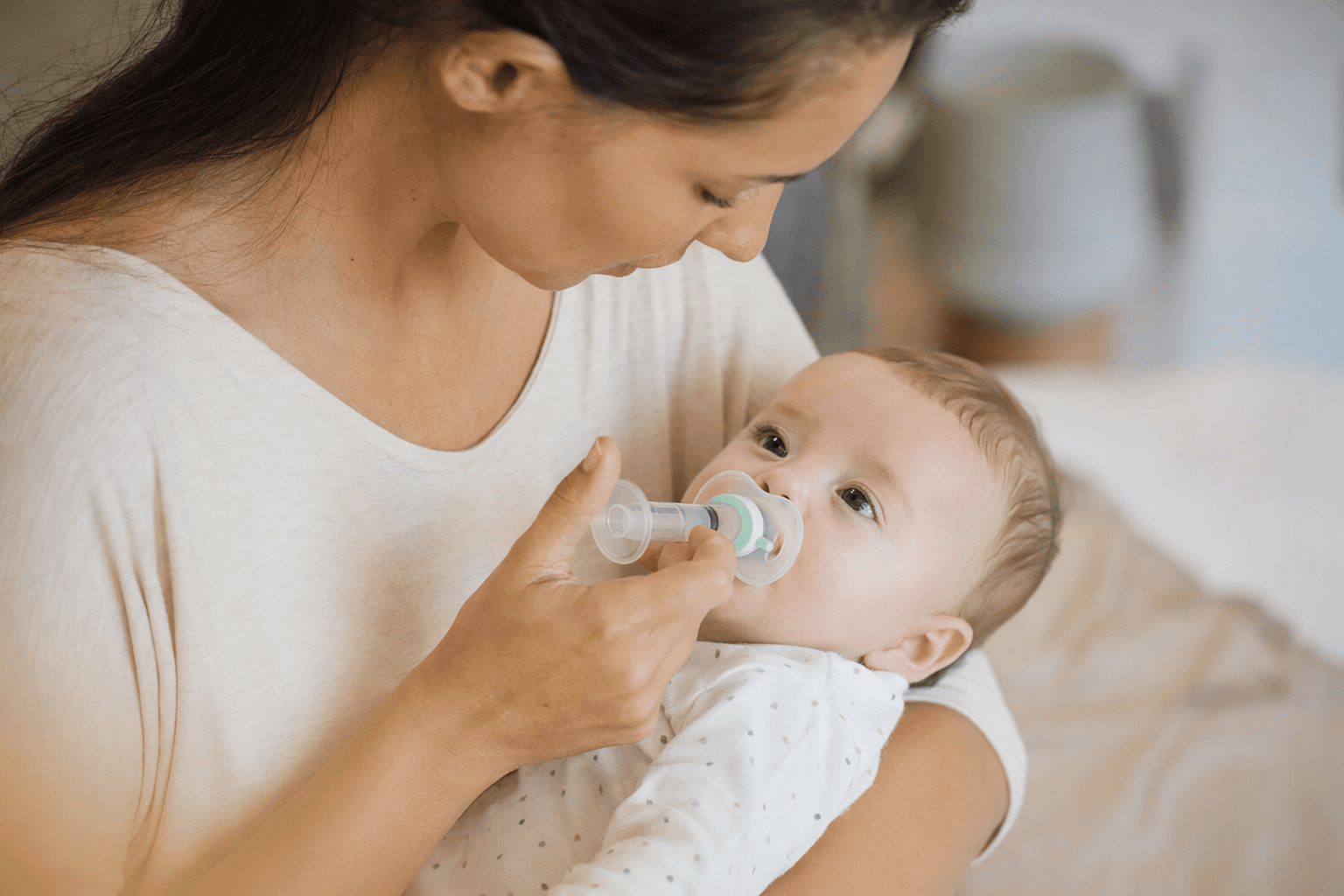
Getting a baby to take medicine can feel like negotiating with a tiny, furious critic. That is exactly why a pacifier-style medicine dispenser has so much staying power: it solves a high-stress problem with a small, inexpensive tool that parents often never think to buy for themselves.
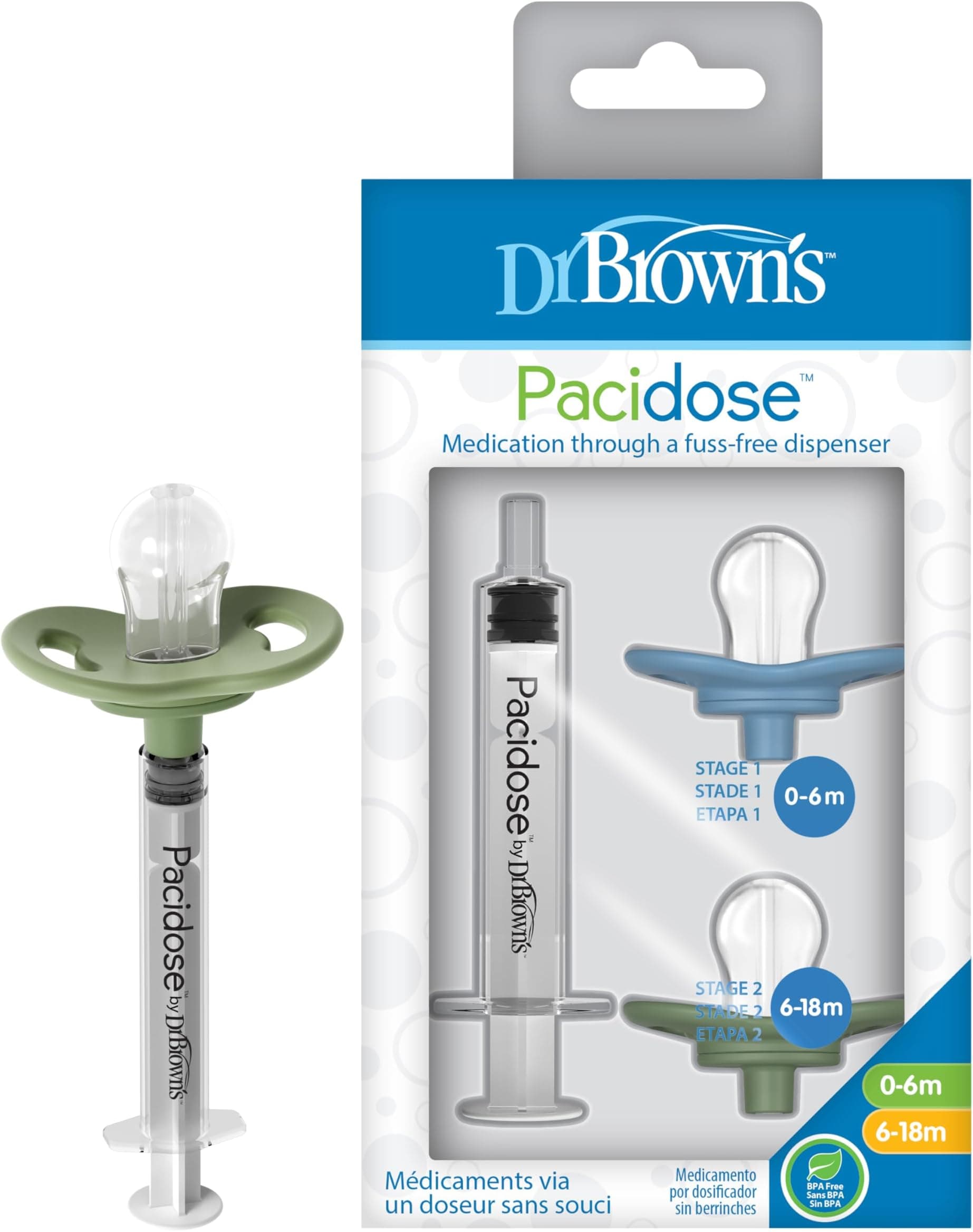
The appeal is bluntly practical. These dispensers usually sit in the roughly $10 to $15 range, and they work by letting a caregiver push liquid medicine into a baby’s mouth through a small opening in the pacifier. Brown’s Pacidose is one example, and similar baby medicine pacifiers are easy to find at that same price point. In a nursery full of cute gear, this is the object that earns its keep the first time a fever hits.
How the device works, and why it feels less gimmicky than it looks
The basic design is simple: a syringe connected to a pacifier shape, with the medicine delivered through the pacifier rather than squirted straight into the mouth. Nemours KidsHealth notes that some infant medicine dispensers are made to look like pacifiers and use a small measuring cup attached to the pacifier, which helps explain why the category feels so intuitive once you see it.
That design choice matters because it works with, not against, the baby’s instincts. Pacifiers are already familiar soothing tools, and the medicine dispenser builds on that comfort rather than creating a brand-new routine in the middle of a meltdown. For a parent standing over a squirming infant with a dose to administer, that can be the difference between chaos and a manageable few seconds.
Why pediatric guidance makes the idea make sense
This is not just a clever consumer trick. Cincinnati Children’s advises that for infants under 4 months old, liquid medicine is often given slowly with an oral syringe, with a pacifier or bottle used before or after dosing. That guidance lines up neatly with the pacifier-style dispenser, which gives caregivers a more controlled way to deliver medication while still respecting the realities of infant feeding.
Mayo Clinic also notes that pacifiers may soothe babies and help lessen pain during procedures such as shots or blood tests. Put those pieces together, and the product starts to look less like novelty and more like a tool built around well-established infant behavior. The value is not in the gadget itself, but in how little friction it adds to a moment that already carries plenty.
The shower gift parents do not register for, but absolutely need
This is where the story widens beyond one product. The best baby shower gifts are often not the big-ticket stunners or the decor-heavy crowd-pleasers. They are the tiny, overlooked items that solve a problem before it becomes urgent, and that is exactly what makes a pacifier syringe so persuasive.
The strongest endorsement in the category is lived experience. The Yahoo Life column describes the dispenser arriving in a box of baby medical supplies from a neighbor, then makes the point that the writer would now pay far more to replace it if it were lost. That kind of testimony is familiar to anyone who has watched a practical baby item go from forgettable to indispensable in a single illness.
- low cost
- high utility
- easy to tuck into a larger shower gift
- memorable because it solves a real problem
For hosts, friends, and family members trying to give something useful without spending much, this is the sweet spot:
It is also a reminder that registry culture can miss the quiet essentials. Parents naturally focus on the visible stuff, like swaddles, toys, and nursery gear. But the item that lives in the medicine cabinet, not the crib, is often the one that matters most at 2 a.m.
The market already shows how established this niche is
The category is not obscure anymore, even if it still feels delightfully under-the-radar. Target lists Frida Baby’s MediFrida Accu-Dose Pacifier Medicine Dispenser at about $11.49. Walmart lists Dr. Brown’s Pacidose at about $12.84 and Munchkin’s The Medicator 2 Pack at $9.99. Those prices confirm the same basic message from the Yahoo Life column: this is an easy, budget-friendly buy with unusually high practical value.
Dr. Brown’s now markets Pacidose as a patented, doctor-designed product, and the company says its medical line is intended to help provide infants with small feeding volumes. A 2018 pilot study published in the Journal of Pediatric Nursing also evaluated caregiver and nurse satisfaction with Pacidose in a pediatric emergency department, and PubMed describes the device as a syringe attached to a tunneled pacifier. In other words, this is not just a cute add-on for a gift basket. It has been used, studied, and positioned as a serious aid in a real care setting.
Why the small gift often beats the expensive one
There is a reason this little dispenser stands out in a crowded baby market. Bigger gifts can be appreciated, but they are not always the ones that earn gratitude in the moment of need. A pacifier-style medicine dispenser is cheap enough to buy without overthinking, specific enough to feel thoughtful, and useful enough to become one of those rare baby items that disappears from memory only because it is constantly being used.
That is the bigger lesson here: the smartest gifts for new parents are often the ones that anticipate the hardest five minutes of the day. A tiny pacifier syringe may not photograph as well as a plush blanket or a monogrammed keepsake, but when medicine time arrives, it delivers the kind of relief no decorative present can match.
This article was produced by Prism’s automated news system from verified source data, official records, and press releases, then run through automated quality and moderation checks before publishing. The system is built and supervised by the people who set the standards it runs under. Read our full AI policy.
Did this article answer your question?