Mother&Baby says diapers make the most practical baby shower gift
Diapers are winning the baby-shower aisle because they cut through the cute-to-clutter problem and meet the relentless, expensive reality of newborn care.
Why the practical gift is taking over
The cleanest answer in baby-shower gifting is also the least decorative: diapers. A sponsored Mother&Baby feature makes the case that when shoppers default to tiny outfits, muslins, and keepsake trinkets, they often miss what new parents are actually burning through by the hour, which is everyday consumables that keep the household moving.
That is the real tension the piece captures, and it explains why practical gifts are gaining ground. A sweet outfit may photograph well in a gift pile, but a stack of diapers disappears into the daily routine, where the need is immediate and repeatable. The feature reframes that choice as empathy rather than plainness, suggesting that the most useful gift is often the one that lightens the work after the shower ends.
The math is hard to ignore
Diapers are not a symbolic need, they are a relentless one. Pampers says many newborns need 8 to 12 diapers per day in the first weeks, which means even a small head start can take pressure off the first stretch at home. Consumer Reports pushes that logic further, estimating that a baby may use about 3,000 diapers in the first year, at a cost of roughly $1,000.
That scale changes the way a diaper pack looks on a gift table. It is no longer a bland practical item, it is a direct offset against one of the earliest recurring expenses in parenting. In that light, a diaper gift is easy to defend because it is useful immediately, easy to justify financially, and hard for recipients to waste.
Why registry advice and sizing matter
Pampers’ own registry guidance lines up neatly with this utility-first approach. The company says a baby registry can remove pressure and make it easier for family and friends to know what is needed before the baby arrives, which is exactly the kind of clarity that prevents duplicate gifts and guesswork. That advice also reflects a deeper point: the best baby-shower present is often the one that fits into the family’s actual plan instead of adding another decorative object to sort later.
Sizing is part of that practicality too. Pampers advises choosing diaper size by weight rather than age, a small detail that matters because babies grow at different speeds and age alone is a blunt guide. That makes diapers a little more like a tool purchase than a novelty buy, which is why they fit so naturally into a registry-minded approach to gifting.
How the market has normalized diaper gifting
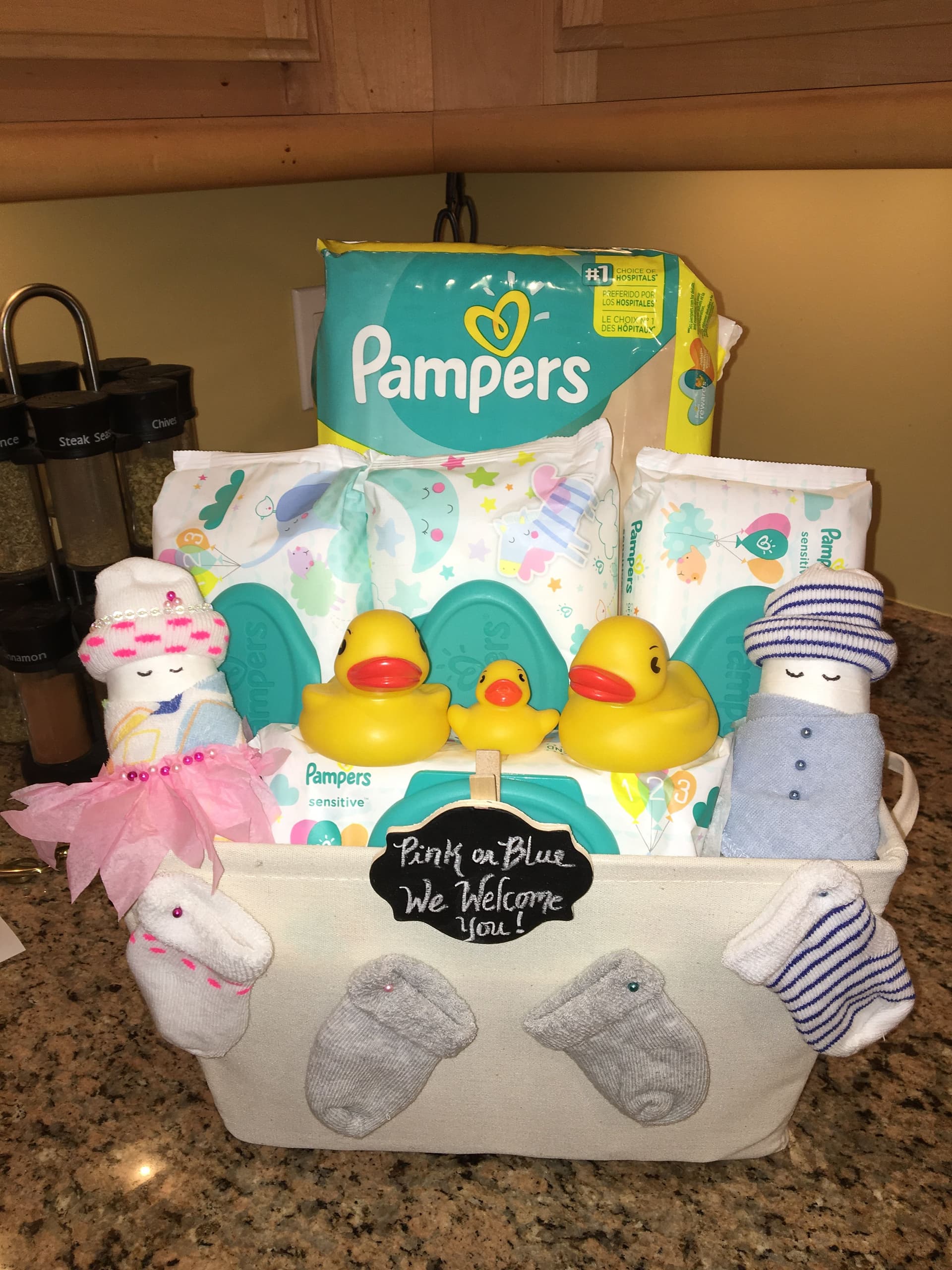
This shift is not happening only in parenting advice columns. Commercial gift services such as IncrediBundles and Baby Showers By Mail now market diaper subscriptions as stress-reducing or foolproof presents, with recipients able to choose brand and size, including Pampers. That matters because it shows diaper gifting has moved beyond a workaround and into a recognized category of its own.
The market logic is clear. Consumable gifts are easy to buy, easy to explain, and easy for the recipient to use right away, which is why diaper bundles and subscriptions keep surfacing in baby-shower buying guides. When a gift can be delivered, tailored, and consumed without creating clutter, it answers the modern version of the baby-shower question: what will actually help next week, not just what will look nice today?
The need behind the trend is bigger than the party
The case for diapers gets even stronger when you look at the hardship data behind it. The National Diaper Bank Network says nearly 1 in 2 United States families with young children cannot afford enough diapers to keep a child clean, dry, and healthy. The Urban Institute says diaper-serving basic-needs banks reach about 50 percent of United States counties, and a separate Urban Institute fact sheet says nearly 8 million children live in families that struggle to afford enough diapers.
Public programs have also started treating diaper access as a concrete policy issue. A brief from the U.S. Department of Health and Human Services and the Administration for Children and Families says diaper need can limit childcare access and force caregivers to miss work, and that the federal Diaper Distribution Pilot launched in September 2022 with 21 grant recipients across the country. In that context, a diaper gift is not just practical, it can meaningfully relieve a pressure point that many households are already feeling.
Why the category stays relevant
Diapers also sit in a broader baby-care market that still treats hygiene as central, not secondary. Statista describes diapers as part of the United States baby-care market and says baby hygiene and personal-care products are very important to parents. It also notes that disposable baby diapers remain a major global market, still shaped by production and distribution costs and competition from cloth-diaper substitutes.
Quality still matters inside that market, too. Consumer Reports continues to evaluate diapers on things like absorption speed, dryness, and material use, which is a reminder that this is not a solved or throwaway category. Pampers’ ongoing planning tools, size charts, and diaper-count guidance show how seriously brands take that reality, because the buying decision is less about flash and more about whether the product can keep up with the daily grind.
In the end, Mother&Baby’s argument works because it matches how newborn life actually feels: constant, repetitive, and short on spare time. Diapers may not be the most glamorous baby-shower gift, but they are the one most likely to earn immediate gratitude, and that is what practical generosity looks like when the baby arrives.
This article was produced by Prism’s automated news system from verified source data, official records, and press releases, then run through automated quality and moderation checks before publishing. The system is built and supervised by the people who set the standards it runs under. Read our full AI policy.
Did this article answer your question?