Pike & West Identifies Eleven Baby Shower Trends Shaping 2026 Event Planning
Pike & West's refreshed 2026 baby shower guide distills eleven planning directions redefining how hosts approach one of life's most celebrated milestones.
Baby shower planning has quietly become one of the more creatively ambitious corners of the event industry, and Pike & West, the wedding and event décor retailer and editorial brand, is leaning into that momentum. In mid-March, the brand published a refreshed version of its "Baby Shower Trends 2026" planning guide, consolidating eleven distinct directions that reflect where hosts, planners, and the broader celebration culture are heading this year.
What makes the Pike & West update noteworthy isn't simply that it catalogues what's popular. The guide functions as a practical editorial resource, translating aesthetic and cultural shifts into actionable planning intelligence. For anyone navigating the rapidly expanding universe of baby shower design and experience, it offers a consolidated view of where creative energy is concentrating in 2026.
The research notes underlying the guide point to eleven trending directions. While the full granular detail of each trend lives within the Pike & West editorial itself, the framework they've assembled reflects several recognizable forces reshaping celebration culture: the push toward personalization, the influence of social media aesthetics, growing interest in sustainability, the blurring of gender-reveal and shower formats, and the elevation of the baby shower from casual afternoon gathering to fully produced event experience.
Personalization at the Core
One of the clearest through-lines in contemporary baby shower planning is the expectation that the event will feel specific to the people it celebrates. Generic pastel schemes and off-the-shelf decorations have given way to custom color palettes, monogrammed details, and themes drawn from the parents' actual interests and aesthetics. Planners are investing more time in the discovery phase of shower design, treating it the way a brand strategist might approach identity work.
Elevated Tablescapes and Floral Direction
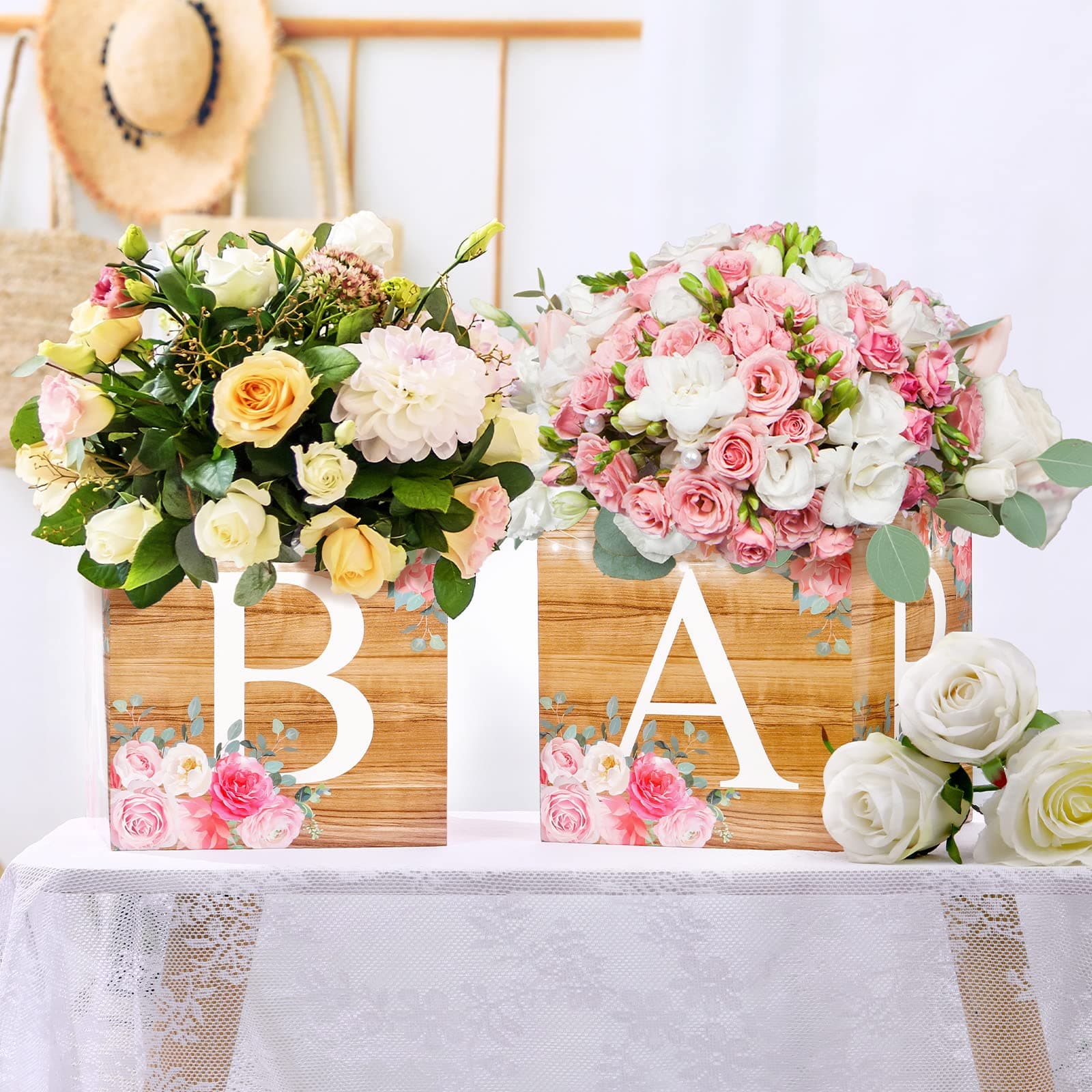
Table design has become a primary canvas for baby shower creativity. Hosts are approaching centerpieces, linens, and place settings with the same intentionality once reserved for wedding receptions. Florals in particular have moved toward lush, organic arrangements that favor texture and volume over symmetry, with dried elements and sculptural greenery extending the visual language beyond traditional blooms.
Aesthetic Cohesion Across the Event
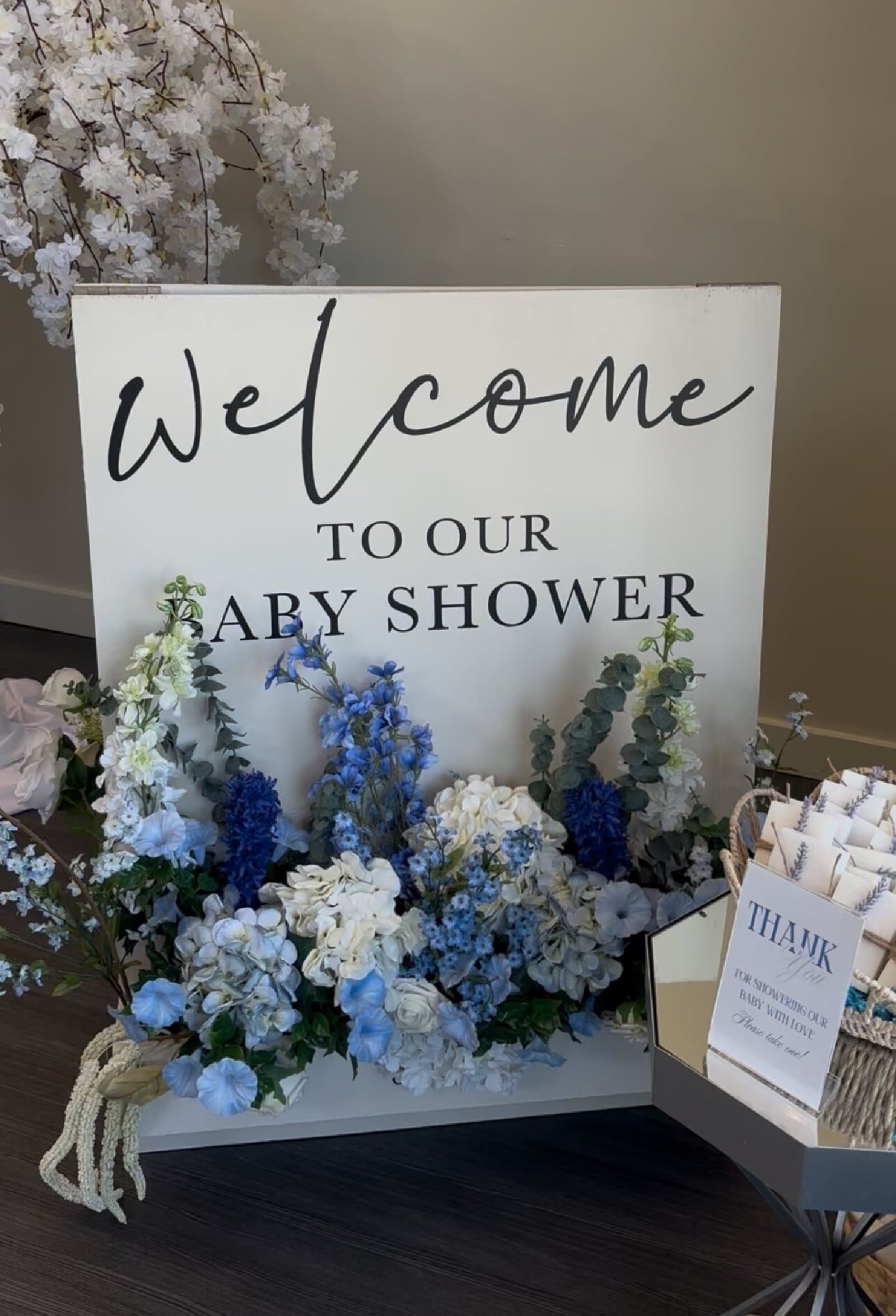
The expectation of visual coherence from invitation to favor bag has intensified. Guests now arrive at showers where every touchpoint, from the welcome signage to the dessert table backdrop to the tissue paper inside the gift bags, has been considered as part of a unified design system. This holistic approach has raised the creative bar considerably and made coordination between vendors more important than ever.
Experience-First Programming
Passive attendance is giving way to participatory programming. Showers increasingly feature structured activities, whether that's a group craft, a cocktail or mocktail-building station, a guest book alternative like an illustrated advice card wall, or a professionally facilitated game segment. The goal is to give guests something to do and talk about beyond the gift-opening ritual.
Culinary Ambition
Food and beverage presentation has become a genuine differentiator. Grazing tables, curated charcuterie, custom cakes with architectural presence, and beverage stations styled with fresh herbs and garnishes are now standard reference points in planning conversations. The culinary component is no longer an afterthought but often the visual anchor of the event.
Micro-Shower and Intimate Format Growth
Alongside the trend toward production value, there's a parallel movement toward smaller, more intentional gatherings. Micro-showers, sometimes just eight to fifteen guests, allow for a higher per-person investment and a more meaningful experience. This format has gained traction among hosts who want depth over breadth, prioritizing connection over spectacle.
Gender-Neutral and Inclusive Design
Color and thematic conventions tied to binary gender expectations have continued to loosen. Neutral palettes built around terracotta, sage, warm whites, and earthy tones are now firmly mainstream, and themes centered on nature, animals, or abstract concepts rather than "boy" or "girl" tropes have become default for many planners. This shift reflects broader cultural changes and also practical ones, since many parents prefer to keep the baby's sex private until birth.
Sustainability and Conscious Sourcing
Environmental considerations are shaping purchasing decisions across the event industry, and baby showers are no exception. Hosts are seeking out reusable décor, locally sourced florals, compostable tableware, and vendors who can speak to their sustainability practices. The trend isn't about sacrifice; it's about finding beautiful options that also align with values the celebrating family genuinely holds.
DIY and Artisan Craft Integration
There's renewed appreciation for handmade and artisan elements, whether sourced from small makers on craft marketplaces or produced by the host themselves. Hand-lettered signage, hand-poured candles as favors, and custom textile elements bring warmth and individuality that mass-produced alternatives can't replicate. This direction also tends to support the personalization imperative, since artisan work can be commissioned to specification.
Digital and Social Integration
The social life of an event now extends well beyond the room. Hosts are designing moments specifically for photography, creating backdrops and vignettes that translate beautifully on screen. Some planners are incorporating digital elements like QR codes linking to registry updates, digital guestbooks, or curated Spotify playlists that guests can contribute to in advance. The shower exists simultaneously as a live experience and a content moment.
Sentimental and Heirloom Touches
Amid all the design ambition, there's a countercurrent of sentiment. Incorporating family heirlooms into the décor, displaying childhood photos of the parents-to-be, or weaving in cultural and heritage details gives the event emotional texture that purely aesthetic choices can't provide. These touches are often the ones guests remember most and the ones that photograph most meaningfully.
Pike & West's decision to refresh this guide in mid-March positions it squarely within the planning window for spring and early summer showers, when the bulk of 2026's celebrations are likely being finalized. For planners and hosts working through their own creative briefs right now, the eleven directions the brand has identified offer a useful map of where the culture is, and where the most resonant work is being done.
This article was produced by Prism’s automated news system from verified source data, official records, and press releases, then run through automated quality and moderation checks before publishing. The system is built and supervised by the people who set the standards it runs under. Read our full AI policy.
Did this article answer your question?