Prime Day 2026 makes baby shower gear cheaper for new parents
Prime Day 2026 put cribs, strollers and car seats in play as Amazon rolled out millions of deals and registry discounts for baby-shower buys.
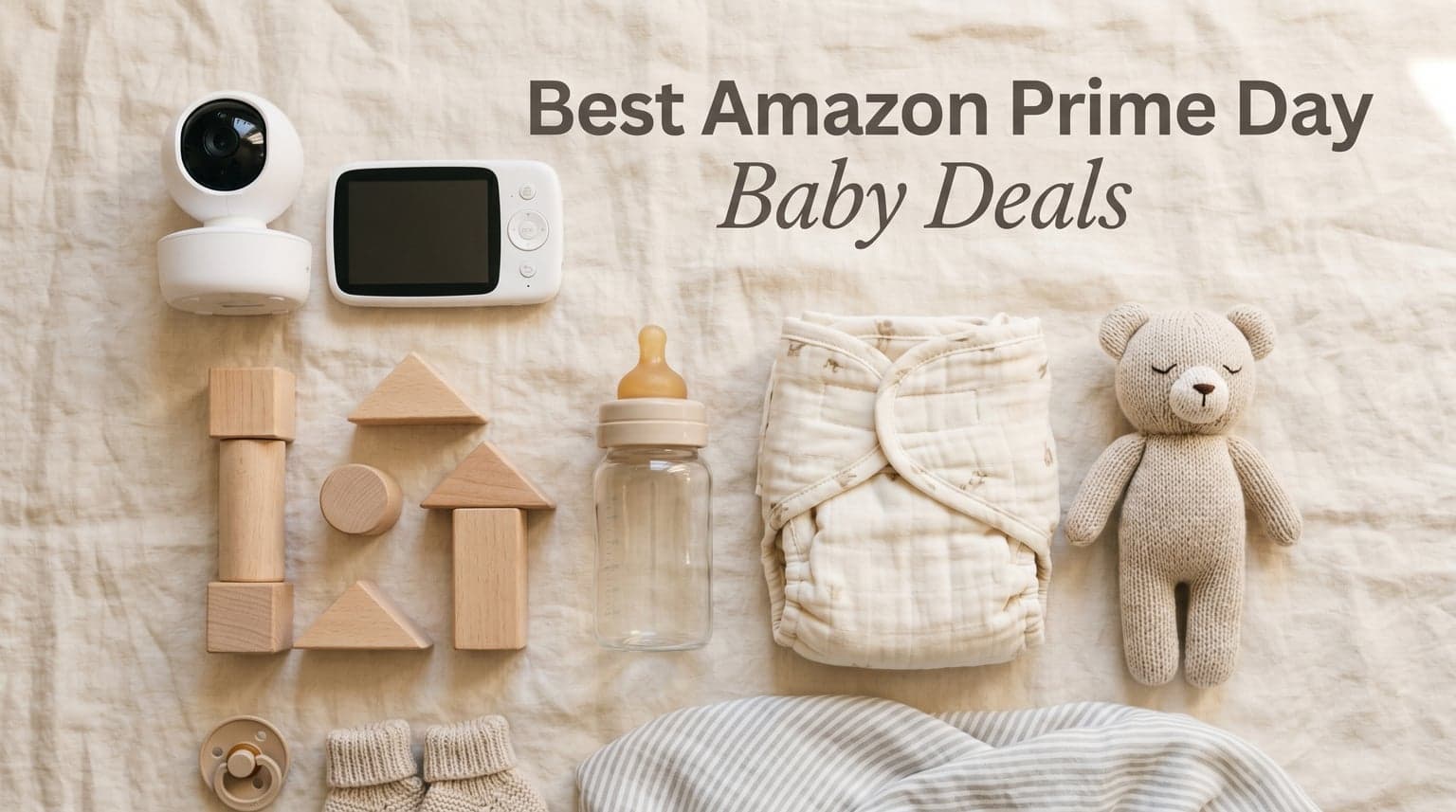
Amazon’s Prime Day 2026 ran from June 23 at 12:01 a.m. PDT through June 26, putting millions of Prime-only deals on baby gear at the center of a high-pressure shopping window. New deals were set to drop as often as every five minutes during select periods, with three daily drops at 12 a.m., 8 a.m. and 1 p.m. PDT.
The smartest buys were the registry staples that usually strain a budget: cribs, strollers, car seats, monitors and nursery furniture. Those are the items worth steering into group gifts, while Amazon’s wider event, which stretched across more than 35 categories, also pulled attention toward groceries, fashion, beauty, travel and Amazon devices. That made Prime Day less of a one-stop baby-shopping spree than a timing game, where the best value came from waiting for the right markdown on a high-ticket essential.
Amazon’s baby registry built that strategy into the checkout flow. Group gifting was available for pricier items such as cribs, strollers and car seats, and registries could qualify for a 15% completion discount after being active for at least 14 days. The registry also offered a welcome box once the account met the Prime membership requirement, listed 10 unique registry items and passed more than $10 in purchases. For shower organizers trying to stretch one contribution across several buyers, those rules made big-ticket gear easier to split and easier to finish.

Amazon also pushed baby shoppers toward familiar names, including Graco, Evenflo, Nanit, Uppababy, Hatch, Halo and Dr. Brown’s. That gave registry planners a clearer field of play: lock in the necessities first, then use the sale window for add-ons only if the discount is real and the item fits a gap in the nursery list.
Consumer Reports added a needed warning to the bargain hunt. It said thousands of merchants take part in Prime Day, but some prices are presented as exclusive savings even when they match earlier pricing, and some discounts are reset just before the sale to look deeper than they are. It also said Prime Day is the biggest sale outside Black Friday and that, on average, prices often match or come close to Black Friday and Cyber Monday levels.

The pressure behind those decisions is easy to see. Consumer Reports said the average cost of caring for a baby through the first year of life exceeded $20,000 in 2025, and Amazon said Prime Day has run since 2015. Amazon also said 2025 was its biggest Prime Day ever, with customers saving billions of dollars, a scale that kept baby registries and sale alerts squarely in the middle of the event.
This article was produced by Prism’s automated news system from verified source data, official records, and press releases, then run through automated quality and moderation checks before publishing. The system is built and supervised by the people who set the standards it runs under. Read our full AI policy.
Did this article answer your question?