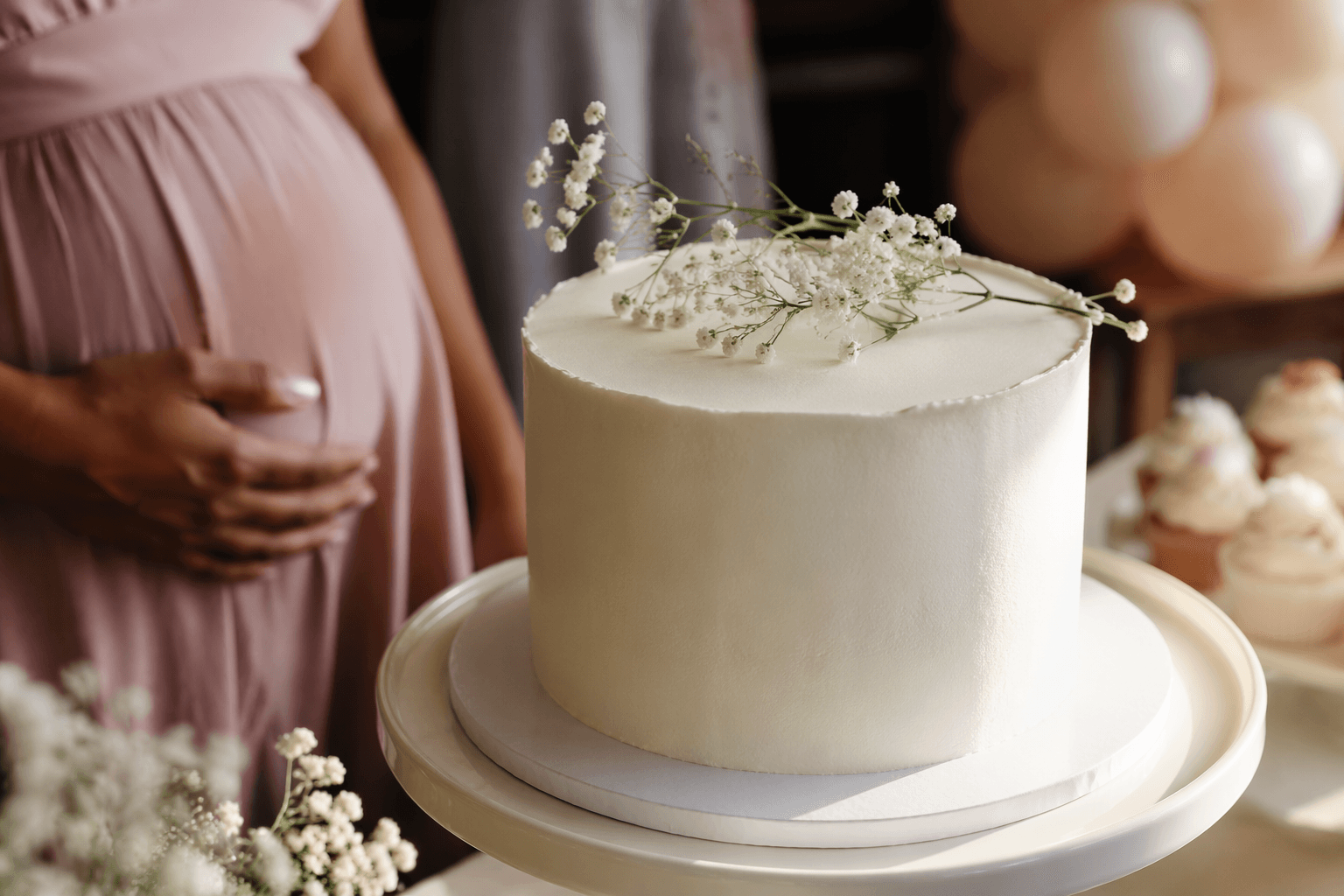
Registry guides turn welcome kits into a baby-shower planning tool
The best registry perks are no longer cute extras. Target and Macy’s now use welcome kits, discounts, and return policies as real budgeting tools for baby-shower planning.
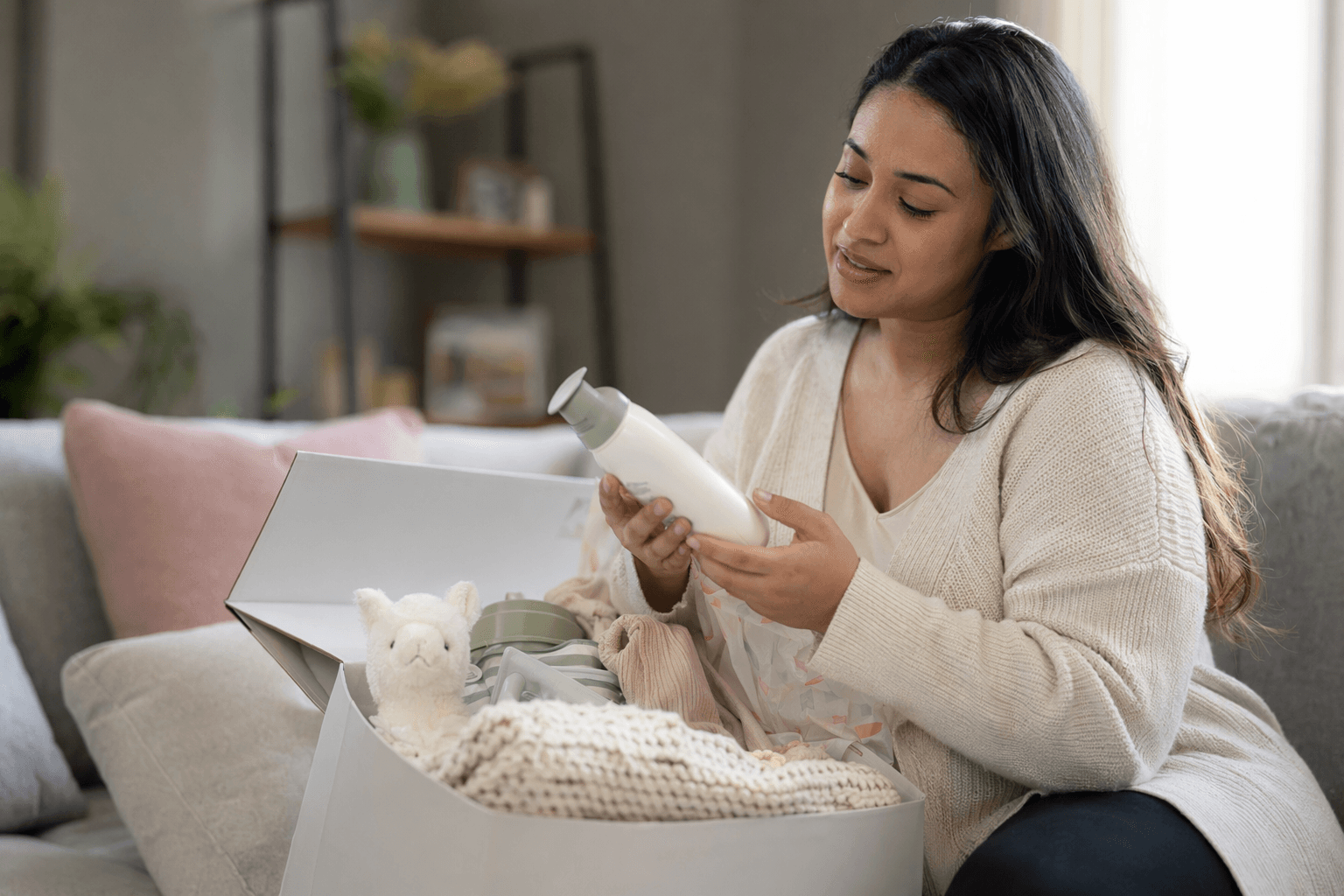
Welcome kits are becoming part of the budget plan
RegistryFinder’s latest baby-registry guide treats free samples, welcome boxes, and sample packs as more than a pleasant surprise. The real point is practical: when a baby arrives, every ounce of product certainty matters, and the registry is now one of the easiest ways to test bottles, creams, diapers, and other essentials before a family commits to full-size purchases.
That shift changes how a baby shower can be planned. Instead of treating registry freebies as side perks, the smarter approach is to fold them into the buying strategy from the start, using welcome kits to narrow choices, cut waste, and keep the first-year baby budget from getting inflated by duplicate or ill-fitting products.
Target turns the welcome kit into a real registry milestone
Target makes the strongest case that a registry perk can function like a planning tool. Its Baby Registry Welcome Kit is valued at over $100 and includes samples plus a Target Circle bonus, but it is not automatic. Registrants have to add 10 unique items, purchase more than $10 from the registry, and then wait 24 to 48 hours for the bonus to be issued.
That structure is useful if the goal is to avoid overbuying. The registry has to be active for at least 14 days before the 15% completion coupon is generated, and Target says the discount is redeemable twice. The store also says active baby registries created after August 15, 2023 are eligible for the new welcome kit, with one kit allowed per year.
The practical value goes beyond the box itself. Target’s registry pages also promote one-year returns, free shipping on qualifying orders, in-store returns and exchanges, and a free welcome kit tied to a 15% completion coupon. For parents building a shower list, that combination creates a clear incentive to keep the registry organized early, then use the completion discount on whatever remains after gifts are opened and duplicates are counted.
How Target’s structure helps a shower budget
Target’s offer works best when the registry is treated like a planning document, not a shopping cart. The 10-item requirement nudges parents to identify true essentials early, while the small qualifying purchase unlocks the welcome kit without forcing a large spend. Because the 15% offer is storewide and redeemable twice, the registry can double as a cleanup tool after the shower, when the remaining list is usually a mix of larger gear and practical refills.
Macy’s offers a lower threshold, but not a free box
Macy’s takes a different approach. Its Baby Welcome Box is described as having a $35 value, and it typically arrives in 2 to 4 weeks after the registry is created and $50 has been purchased off the registry. The current cost is $6.50 plus tax, and Macy’s says that price includes a handling surcharge.
That fee makes the box less of a giveaway and more of a low-cost test kit. Even so, the box can still be useful during pregnancy and after birth because it includes samples that help parents compare products before buying larger quantities. For families who want to avoid stacking up multiple unopened products, that timing matters: the samples arrive while decisions are still being made, not after the nursery is already full.
Macy’s registry pages also place the box alongside a completion discount, an extended return policy, and a dedicated celebration consultant. In other words, the welcome box is part of a broader registry package, not a one-off perk. For shower planning, that means the registry can still help direct gifts toward the right categories while the box absorbs some of the early experimentation cost.
The smartest use of registry freebies is testing, not collecting
The best argument for these perks is not that they are cute or collectible. It is that they help families make better decisions in a season defined by high stakes and constant product choice. A baby registry can quickly become a list of items that sound useful but may not work in a specific home, with a specific stroller, or for a specific feeding and sleep routine.

Welcome kits and sample packs reduce that uncertainty. They let parents compare textures, sizes, and brands before committing, and they can keep unnecessary purchases out of landfills or closets. That matters in baby categories where people often buy multiples, only to discover that one bottle shape, one lotion formula, or one diaper brand works better than another.
What the competition says about the baby market
Consumer Reports reinforces why these perks matter. Its baby initiative is designed to help parents make safer, smarter choices, and its baby experts test more than 1,000 baby gear products. That testing culture mirrors what the registry world is doing on the retail side: not just offering products, but trying to prove that its ecosystem helps parents choose well.
That is why registry perks now carry strategic weight. Retailers are competing on more than selection, and the extras around the registry experience can be persuasive enough to draw both expectant parents and gift-givers into one system. A welcome kit, a completion discount, and an extended return window can feel small in isolation, yet together they shape where the family shops, what they keep, and what they never buy twice.
A practical way to build the shower around the registry
The cleanest shower strategy is to use the registry early, then use the perks to tighten the budget later. Add enough essentials to unlock the welcome kit, track the requirements closely, and make at least one qualifying purchase if the registry asks for it. Then let the sample box do what it is designed to do: reveal what is worth buying in full size and what should stay on the maybe list.
For the shower itself, that means the registry can be built around confidence instead of volume. The gifts still matter, but the better long-term value often comes from the combination of welcome kit, completion discount, return policy, and sample testing. In a crowded baby market, that is what turns a registry from a wish list into a planning tool.
This article was produced by Prism’s automated news system from verified source data, official records, and press releases, then run through automated quality and moderation checks before publishing. The system is built and supervised by the people who set the standards it runs under. Read our full AI policy.
Did this article answer your question?