Step-by-Step Baby Shower Planning Guide From Date to Celebration
Six weeks is all you need to go from blank calendar to fully celebrated: here's the complete week-by-week baby shower planning checklist every host needs.
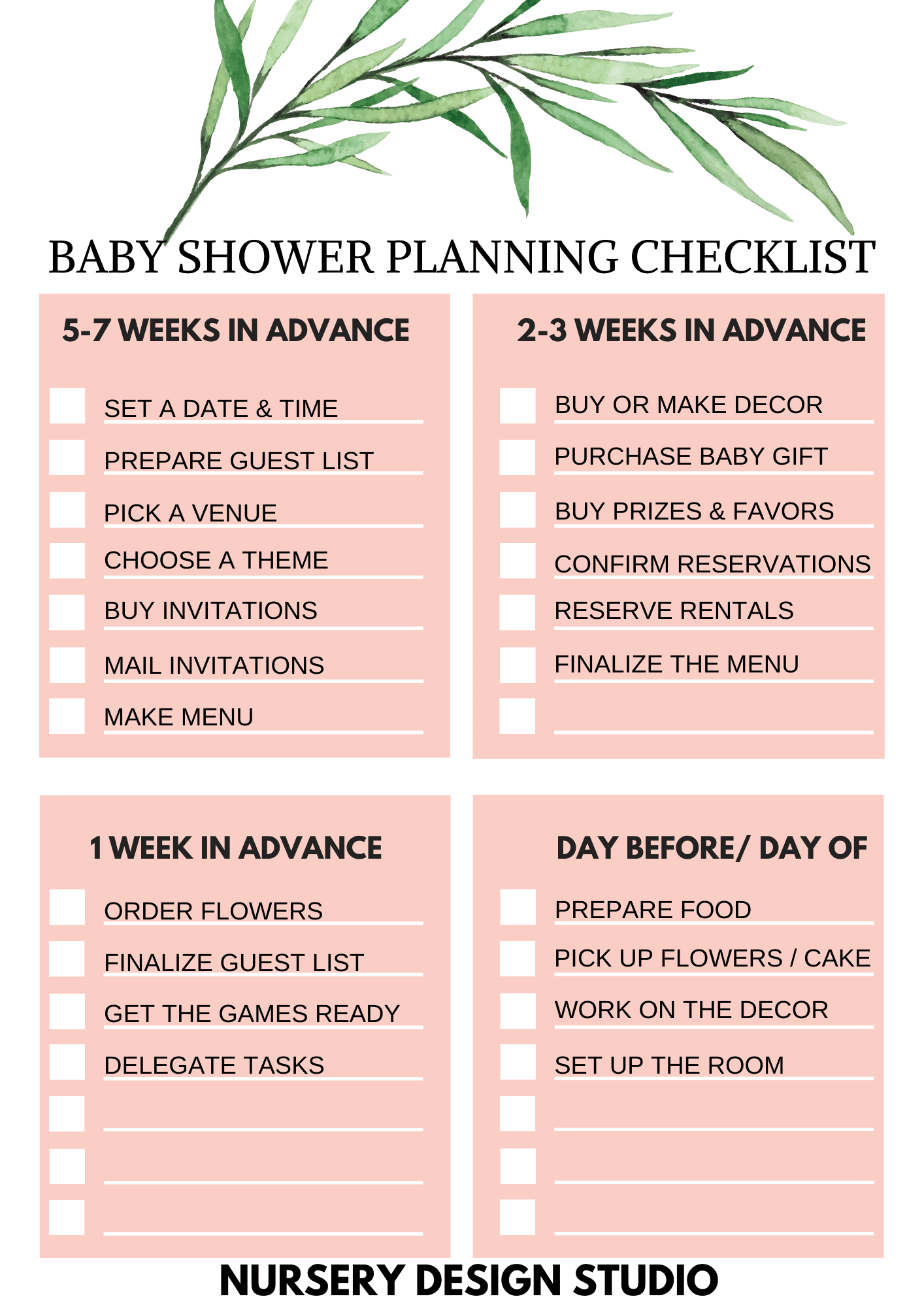
Six weeks. That's the sweet spot between "enough runway to do this right" and "close enough that energy stays high." Whether you're hosting 15 people in a living room or 40 guests at a venue, the same fundamental checklist applies. Here is every step, mapped to a countdown timeline, so nothing falls through the cracks.
The Complete Baby Shower Planning Timeline
7 to 8 Weeks Out: Lock In the Foundations
Every successful shower starts with three decisions made together with the parents-to-be: the date, the guest count, and the hosting arrangement.
Choose a date around the 28 to 32-week mark of the pregnancy, when the expectant parent is comfortable but still energized for celebration. Weekends work best for out-of-town guests, but a Sunday early afternoon can be budget-friendly and just as memorable. Avoid holidays and busy weekends, including Mother's Day, Thanksgiving, and major sporting events, to maximize attendance.
On the hosting question, traditionally a close friend, aunt, or cousin hosts the shower, not the expectant mother or her immediate family. Modern etiquette has relaxed those rules considerably; today, siblings, mothers-in-law, coworkers, or even the parents-to-be themselves can host. Co-hosting with two or three people is increasingly popular to share costs and planning duties.
Once you know who is hosting, set a realistic budget. Baby showers can range from very conservative to extremely lavish. On average, they tend to cost about $500, though that total goes down when using a free venue like a home and can go up significantly at a restaurant or venue with an hourly fee.
- Confirm due date and set the shower date
- Decide host(s) and split responsibilities if co-hosting
- Establish a budget with a 10 to 15% buffer for last-minute extras
- Confirm whether the father-to-be will attend and whether the couple would like a co-ed shower
- Begin drafting the guest list with the parents-to-be
7 to 8 week checklist:
5 to 6 Weeks Out: Venue, Theme, and Guest List
The average baby shower has about 20 guests, typically close female friends and family of the mom-to-be. That number rises for co-ed showers or larger families. Keep your venue in mind when determining overall headcount.
Speak with the parents-to-be to find out what venue they would be most comfortable with. Some parents prefer a casual home shower, some would love brunch at a local café, and others may want a larger, more formal venue. Ensure any venue meets your needs for capacity, accessibility, and amenities, and check if packages include tables, linens, and catering, as these can save both time and money.
Choosing a theme at this stage makes every subsequent decision easier. Select a theme that reflects the parents' style. Popular 2026 options range from neutral palettes and woodland motifs to bold "dopamine" color schemes, celestial and zodiac influences, and whimsical picnic-style themes. Gender-neutral options now represent 45% of baby shower themes, reflecting modern preferences.
- Finalize guest list and collect mailing addresses
- Book venue (or confirm a home venue)
- Choose theme and color palette
- Encourage parents-to-be to create or update their registry on platforms like Babylist
5 to 6 week checklist:
3 to 4 Weeks Out: Send Invitations and Plan the Menu
Invitations are the first thing guests experience, and timing matters. Design and send physical or digital invitations that include the theme, date, time, venue, and RSVP details. Allow guests sufficient time to respond, ideally four to six weeks in advance.
For digital invitations, platforms including Paperless Post, Evite, Greenvelope, Minted, and Invitfull offer design-forward options with built-in RSVP tracking. Digital invitations save costs and reduce environmental impact. Include registry information, theme details, and an RSVP deadline two to three weeks before the event.
Whether the parents go with a traditional registry or a cash registry, ask them to share the details so you can include the registry information as a link or QR code directly on the shower invitation.
Now is also the time to plan food. Consider dietary restrictions and pregnancy-safe options. Budget $5 to $20 per person depending on formality; brunch items, finger foods, and light lunch options all work well. If you want an elaborately decorated cake, some professional bakeries need orders approximately one month in advance and are often booked weeks ahead. Call early to check lead time requirements.
- Send invitations (physical and/or digital)
- Include registry links and RSVP deadline
- Plan the menu; note dietary restrictions
- Order custom cake if applicable
- Book any additional vendors: florist, photographer, or balloon artist
- Plan games and activities
3 to 4 week checklist:
2 Weeks Out: Confirm, Finalize, and Prep
Finalize the guest count, follow up with anyone who hasn't responded, confirm any venue or catering reservations, and purchase decorations, party favors, and game prizes.
For games, ask your venue for vendor referrals, and select a few light-hearted games to break the ice. Popular choices include Baby Name Scramble, Guess the Baby Food (where participants taste and identify different baby foods while blindfolded), and Advice for the Parents cards collected in a keepsake box.
- Follow up on outstanding RSVPs
- Confirm headcount with venue and caterer
- Purchase game prizes and party favors
- Prepare decorations and any DIY elements
- Assign day-of roles: setup, food management, photography, gift recorder, cleanup
2 week checklist:
1 Week Out: The Final Push
Create a schedule for how the party will unfold, including a timeline for setup and tear-down. Rope in a few helpers and ask them to arrive early to manage vendors, decorate the space, and prep food or drinks.
Most baby showers last anywhere from two to three hours. A simple run-of-show keeps transitions smooth: guests arrive and mingle, food and drinks are served, games take place, gifts are opened if the parents choose to do so, and dessert closes the celebration.
- Confirm all vendor arrivals and logistics
- Create a day-of run-of-show timeline
- Buy non-perishable food and drinks
- Prepare and print game materials
- Create a music playlist
- Wrap prizes and assemble party favors
1 week checklist:
Day Of: Setup and Celebration
Now is the time to get everything as organized as possible for the day of the shower. There is no strict order of events, but typically the host gives guests about 30 minutes to arrive before starting any activities. Light snacks and drinks are available throughout, though something sweet or more substantial like a light lunch or cake helps break up activities.
- Arrive early for setup with your helper team
- Set up gift table, food stations, game areas, and photo backdrop
- Greet guests and direct them to food and seating
- Run games and facilitate gift opening if planned
- Assign someone to record gifts for thank-you notes
- Oversee cleanup and return of any rented items
Day-of checklist:
What Does a Baby Shower Cost? A Budget Framework
The average baby shower costs $500 to $550 but can range from budget-friendly $100 celebrations to elaborate $1,500 or more events, depending on choices for venue, catering, and extras. Here is how that typically breaks down:
| Category | Budget Range | Notes |
|---|---|---|
| Venue | $0 to $500+ | Home is free; venue rentals $200 to $500+ |
| Food and drinks | $5 to $30/person | Finger foods on the low end; catering on the high end |
| Invitations | $30 to $50 | Print (Minted, Shutterfly) or free digital options |
| Decorations | $50 to $200 | DIY reduces cost significantly |
| Cake | $35 to $150+ | Store-bought vs. custom bakery |
| Games and prizes | $20 to $75 | Free printables available online |
| Party favors | $2 to $4/person | Mini succulents, seed packets, candles |
| Thank-you notes | $2 to $3/person | Budget similarly to invitations |
If the budget is tight, a home venue, fewer décor items, and a potluck-style menu are the most effective ways to reduce costs without sacrificing the celebration.
Post-Shower: Thank-You Notes and Registry Follow-Up
The shower doesn't end when the last guest leaves. Thank-you notes should go out within two weeks of the event. It is common to throw a baby shower one to two months before the due date specifically to give parents time to sort through gifts, put together bigger items like a bassinet or swing, wash baby clothes, and send out thank-you notes.
Personalize each note by referencing the specific gift received. Keeping a gift log during the shower, assigned to a designated helper, makes this task far less daunting afterward.
Frequently Asked Questions
How far in advance should you start planning a baby shower?
Successful baby shower planning starts 8 to 12 weeks in advance. A practical minimum is six to eight weeks, which gives you time to secure a venue, design and send invitations, and book any vendors. Send invitations with the theme, date, time, and RSVP details at least four to six weeks before the event so guests have time to arrange travel, request time off, and order gifts.
Who typically plans and pays for a baby shower?
The parents-to-be are usually not directly involved in planning their own shower; instead, family members or close friends take on that role. The same person who hosts also pays for the shower, though family members, colleagues, or close friends often get together to plan the party and share the cost. Co-hosting with two or three people is increasingly popular as a way to divide both the planning duties and the financial responsibility.
What is the average cost of throwing a baby shower?
A baby shower typically costs $100 to $1,000, depending on the number of guests, the menu, and the location. On average, baby showers cost about $500, with that total going down when using a home venue and rising at a restaurant or venue with an hourly fee. A venue-based shower runs a minimum of about $550; home showers come in comfortably under that figure. Virtual showers, increasingly common for guests spread across time zones, cost significantly less.
Know something we missed? Have a correction or additional information?
Submit a Tip