SwaddleAn guide says baby shower invites should preview food and vibe
Baby shower invites now do more than announce a date. They should preview the food, mood, and lifestyle behind the celebration, from Coquette to Refined Cowboy.

Baby showers work best when the invitation tells the whole story
The strongest showers now start with a feeling, not a color code. SwaddleAn’s approach treats the invite as a preview of the full experience: the food, the formality, and the personality of the host and guest of honor, all signaled before anyone walks through the door.
That shift matters because the modern baby shower is less about a generic pink-or-blue formula and more about making the day feel human and personal. Printed invitations, in this framework, are not just practical notices. They are the first design object in the room, the first clue about whether guests are heading to a brunch, a garden party, a foodie gathering, or a stripped-back minimalist event.
Start with the vibe, then build the invite around it
SwaddleAn’s core idea is simple: the invitation should not only announce the celebration, it should preview what guests can expect. That means the wording, paper stock, typography, and color palette all need to match the tone of the menu and decor. Minted’s guidance fits neatly here, since it says baby shower invitations should work within the event’s theme and budget, and that printed invitations help set the tone while sharing important details.
Timing plays a part too. Minted says baby showers are usually held about one to two months before the due date, which gives the invite enough time to establish the mood and the practical details together. The best versions feel coordinated from the moment they arrive, so a guest can tell immediately whether the gathering is formal, casual, coed, playful, or quietly elegant.
A useful way to think about the planning is to ask three questions at once:
- What does this household actually love?
- What kind of food feels right for that life?
- What should the invitation make people expect when they show up?
When those answers line up, the shower stops feeling like a template and starts feeling like a portrait.
Dopamine Decor brings the color and energy forward
One of SwaddleAn’s clearest 2026 lanes is Dopamine Decor, a style built around saturated color, eclectic texture, and an intentionally upbeat mood. The idea is a direct rejection of muted sage and other subdued palettes. Instead of softening the room into something generic, the decor uses bolder hues to reflect personality and create a more joyful atmosphere.
That makes the invitation job straightforward. If the room is going to be bright, energetic, and a little unexpected, the paper goods should say so. Strong color, lively type, and playful phrasing all help guests anticipate a shower that feels expressive rather than restrained.
Dopamine Decor also works because it gives the host permission to be specific. A guest who loves color, pattern, and a little visual surprise should not be squeezed into a neutral baby-shower script. The whole point is to make the event feel like it belongs to the family being celebrated.
Coquette turns the shower into a tactile, vintage-leaning experience
Coquette is the opposite of loud, but it is not bland. SwaddleAn frames it as delicate, vintage-leaning, and full of texture, with ribbons, lace, velvet ties, and dainty finger foods doing as much work as the color palette. The invitation belongs inside that same sensory world, which is why the guide recommends matching the stock and wording to the tactile aesthetic of the event.
That detail matters. When the paper itself feels soft, substantial, or ornate, it becomes part of the experience rather than a separate announcement. The mailing can hint at the atmosphere before the first macaroon is served or the first ribbon is tied.

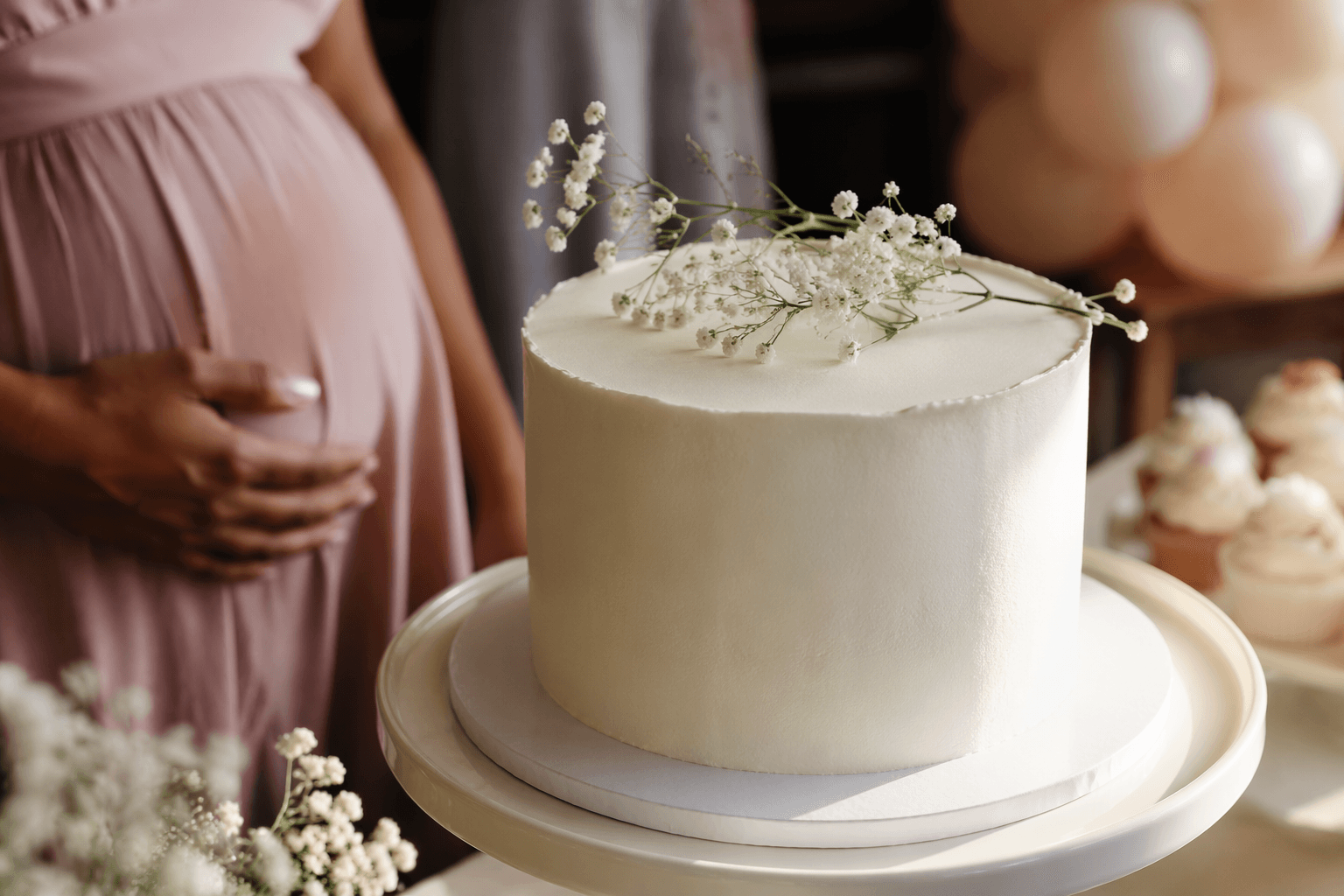
The menu follows the same logic. Macarons, petit fours, and crustless cucumber sandwiches are the kind of elegant, composed foods that reinforce the look instead of fighting it. If the shower is aiming for polished vintage charm, the food should read as carefully arranged and light on the palate.
Refined Cowboy offers a modern ranch look without the gimmicks
SwaddleAn’s Refined Cowboy or modern ranch theme shows how far the category has moved from literal western decoration. Instead of hay bales and novelty props, the style leans into sunset oranges, terracotta, and leather accents. It feels more like a considered design language than a costume party.
The food should match that polish with warmth and substance. Brisket sliders and corn ribs fit the mood because they feel hearty without turning the table into a theme-park version of the West. Here again, the invitation should preview the whole setup so guests know they are coming to a stylish, grounded gathering rather than a novelty western event.
This lane also proves that theme does not have to mean overload. A few well-chosen visual cues can say more than a room packed with props. The best invitations in this style will feel calm, confident, and a little elevated, with wording that suggests a relaxed but thoughtful celebration.
Baby-Q and coed showers need clearer wording
SwaddleAn also points to baby-Q style coed gatherings, where the invitation language matters even more because it has to explain the format in advance. The Bump’s wording guidance includes separate examples for coed showers, and its community forum shows that hosts often worry the words “baby shower” alone may not make it obvious that men are invited.
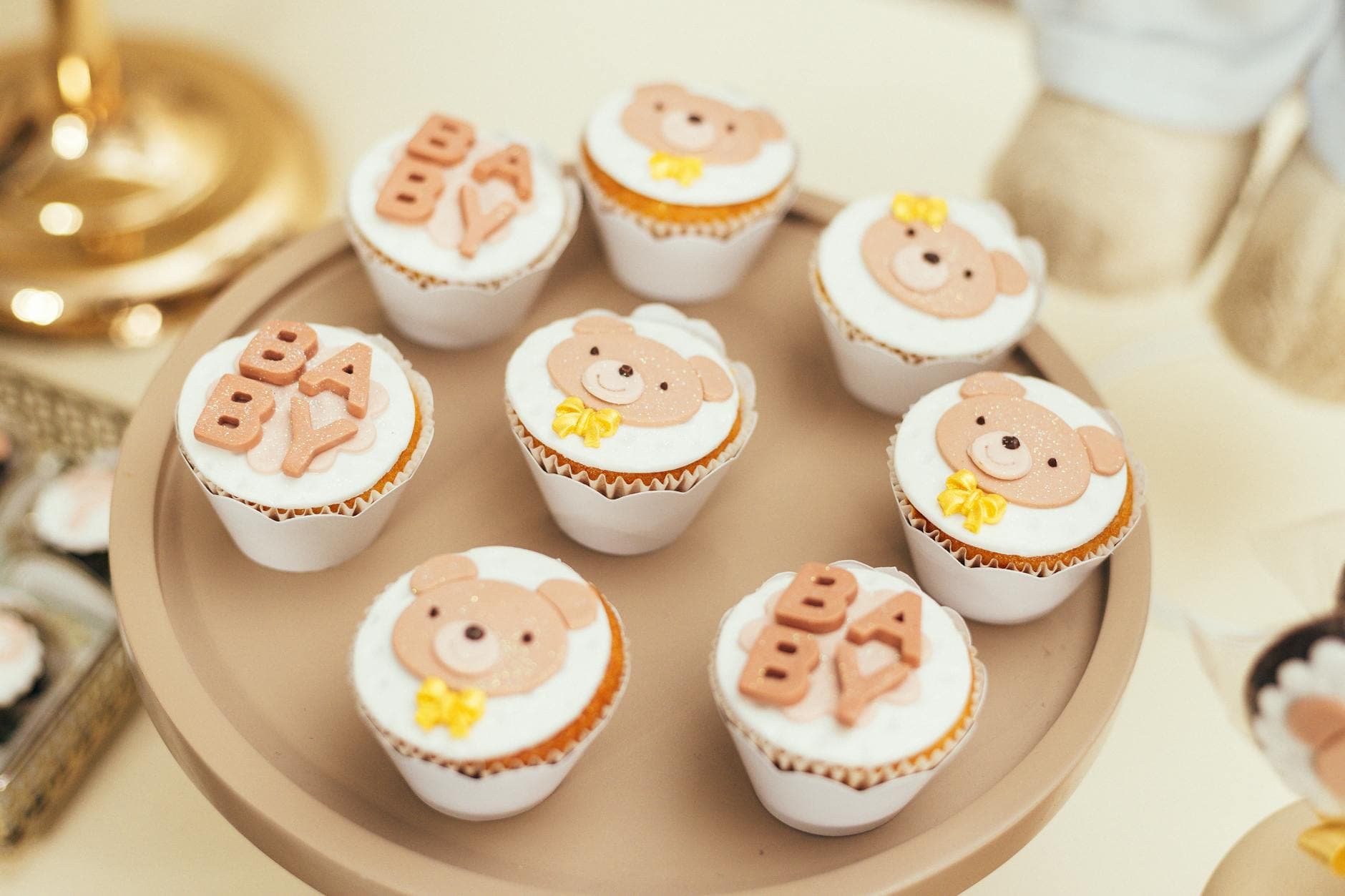
That is exactly why the invitation cannot be an afterthought. If the event is coed, the wording should say so plainly, so guests understand the guest list, the tone, and the expectations before they respond. The invite becomes a social map as much as a design piece.
This is where the modern planning mindset becomes practical. The more the invitation previews the event, the fewer awkward guesses guests have to make. That clarity is especially useful when the celebration is built around a specific format like a backyard barbecue, a mixed-gender brunch, or a more casual family gathering.
The new baby shower is personal, and it still needs care
The popularity of baby showers themselves helps explain why personalization now feels so important. The Bump notes that the tradition became popular during the postwar baby boom of the late 1940s and 1950s, while HISTORY says the baby boom began in 1946 and more than 76 million children were born in the United States between 1946 and 1964. What began as a gift-centered custom has matured into an event that reflects who the parents are.
That evolution also tracks with current birth patterns. The CDC says the United States recorded 3,628,934 births in 2024, up 1% from 2023, and the general fertility rate was 53.8 births per 1,000 females ages 15 to 44. Pew Research Center says the average woman had her first birth at 27.3 in 2021, up from 25.6 in 2011. Together, those figures point to a generation that is often planning later, with stronger aesthetic opinions and a firmer sense of what feels like them.
Food safety needs to stay part of that design conversation. The CDC says pregnant people are more likely to get sick from certain foodborne germs, including those tied to undercooked meat and eggs, unpasteurized milk and cheese, and unwashed produce. It also estimates about 1,600 people in the United States get sick from Listeria each year and recommends the four steps of food safety: clean, separate, cook, and chill. That makes the “safe for the pregnant guest of honor” standard more than a nice phrase. It is a planning rule.
A shower built this way feels coherent from envelope to dessert tray. The invitation sets the expectation, the menu confirms it, and the decor completes it. That is the modern logic SwaddleAn captures so well: the best baby shower does not just celebrate a baby on the way, it reveals the family already taking shape around them.
This article was produced by Prism’s automated news system from verified source data, official records, and press releases, then run through automated quality and moderation checks before publishing. The system is built and supervised by the people who set the standards it runs under. Read our full AI policy.
Did this article answer your question?