Barcelona consider adding fitness coach at Hansi Flick’s request
Barcelona are weighing another fitness coach for Hansi Flick as load management and injury prevention move deeper into the club’s identity.
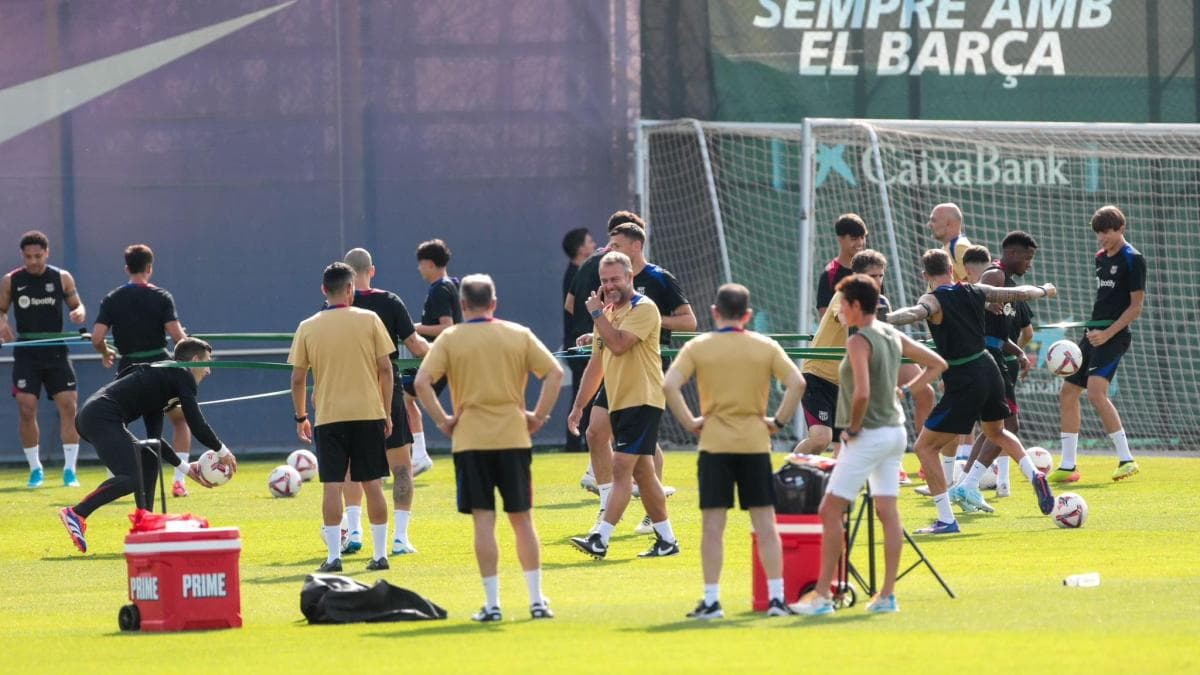
FC Barcelona are considering adding another fitness coach at Hansi Flick’s request, a move that shows how much the club now treats conditioning as a competitive weapon, not a background service. The idea is tied to Flick’s push to strengthen the physical preparation department ahead of the 2026/27 season, after another year in which workload and injuries shaped the team’s margins.
That push sits on top of a major overhaul already under way. Barcelona brought in Julio Tous as head fitness coach in August 2024, then built around him with Pepe Conde, Rafa Maldonado and Germán Fernández. Fernández’s remit has been especially specific, covering neuromuscular and strength training plus rehabilitation and injury prevention, a sign that the club is working in much finer detail than the old all-purpose fitness model.
The urgency comes from lessons Barcelona have already lived through. Joan Laporta had been furious that the side dipped after the 60th minute physically in the previous season, when the team lost two Clásicos to stoppage-time goals and went out of the UEFA Champions League in the quarterfinals after being reduced to 10 men against Paris Saint-Germain. Laporta and Deco then drove a complete revamp of the first-team fitness setup, recruiting specialists from inside Spain and making physical preparation a boardroom priority.
For a while, the changes looked decisive. Barcelona opened the 2024/25 LaLiga season with seven straight wins after preseason conditioning work, and Pedri said in September 2024 that the new staff helped the team hold its level late in matches. ESPN also reported that Barcelona were unbeaten in 17 matches during a strong run in early 2025, while key players avoided the muscle problems that had disrupted previous seasons. The evidence suggested that load management and more precise conditioning could change the shape of a campaign, not just the quality of a training week.
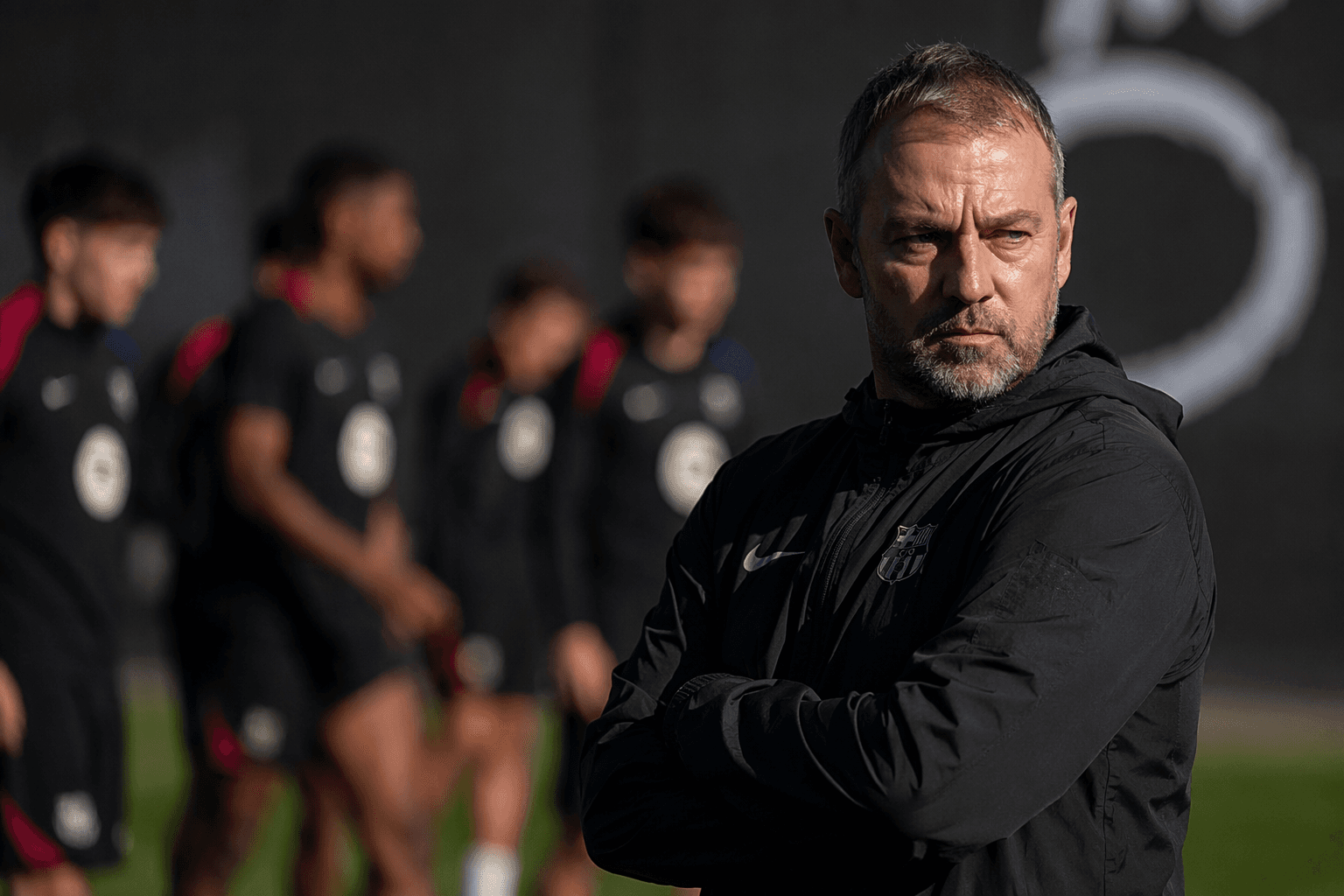
But the injury problem never disappeared. On March 6, 2026, Flick said he took responsibility after hamstring injuries to Frenkie de Jong, Jules Koundé and Alejandro Balde, with Andreas Christensen and Gavi also in the injury picture. He said Barcelona had only 16 available outfield players for the Athletic Club match and added that the club needed to analyze what could be improved for the future.
That is why the new-fitness-coach idea matters beyond one staff hire. Flick’s official Barcelona bio initially ran to June 30, 2026, and ESPN reported on May 18, 2026 that he had agreed an extension through 2028, with an option to stay until 2029, after winning a treble in his first season and five of a possible six domestic trophies across his first two. With that kind of continuity, Barcelona are not just filling a gap. They are building a system in which sports science, injury prevention and workload control are part of the club’s identity.
For Barcelona’s wider sports culture, that matters. When the city’s biggest team treats neuromuscular work, recovery and load monitoring as core infrastructure, the language spreads to youth academies, performance gyms and trainers who now need to speak in the terms of sports science, not general fitness. In Barcelona, the standard is moving toward specialization, and FC Barcelona is helping set it.
This article was produced by Prism’s automated news system from verified source data, official records, and press releases, then run through automated quality and moderation checks before publishing. The system is built and supervised by the people who set the standards it runs under. Read our full AI policy.
Know something we missed? Have a correction or additional information?
Submit a Tip