Barcelona fitness guide frames nutrition as key to injury recovery
The hidden recovery mistake is simple: when injury cuts training, many Barcelona athletes also slash food, slowing tissue repair and making the comeback harder.
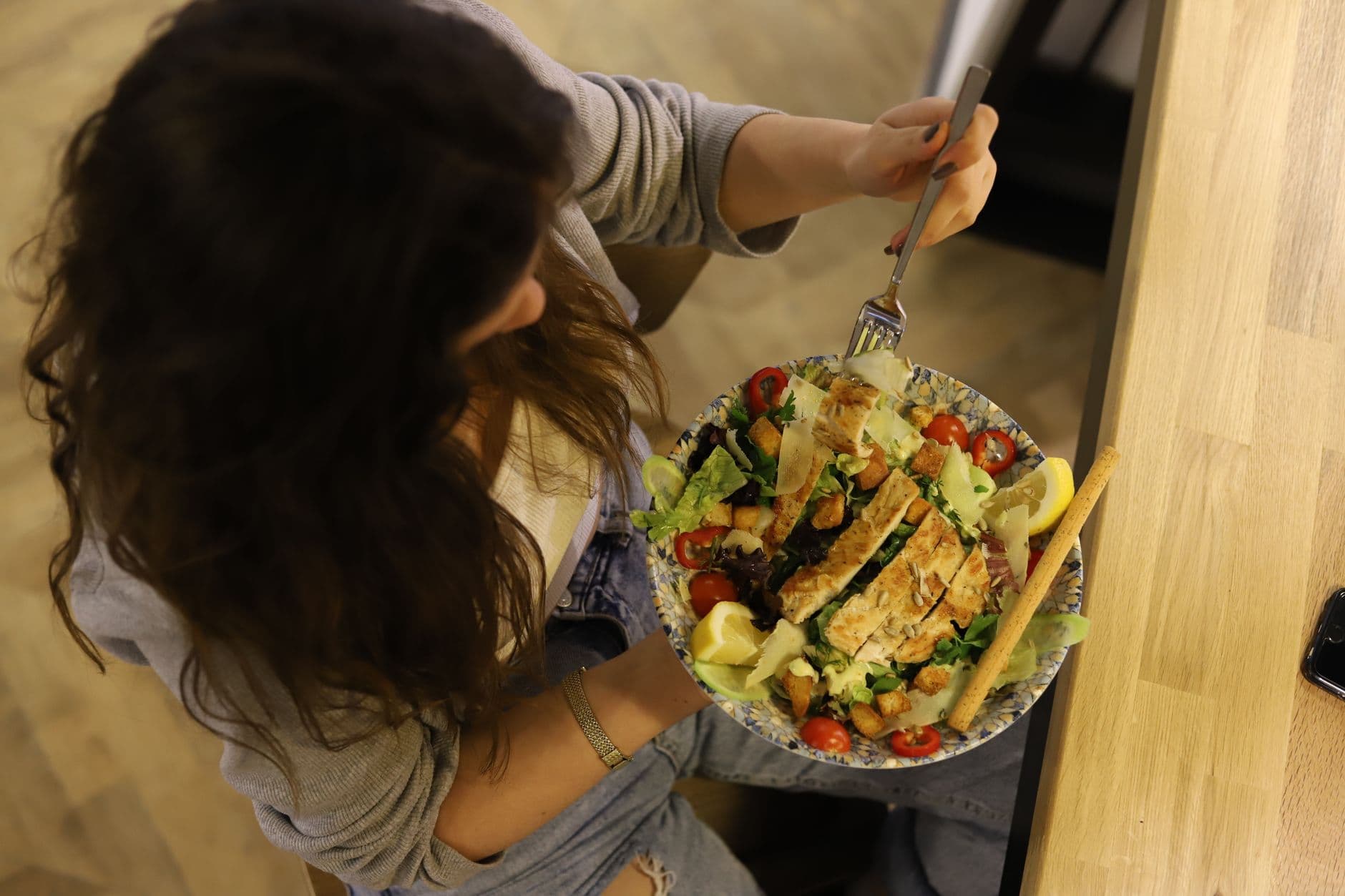
In Barcelona, runners, cyclists, football fans and gym-goers train year-round. When injury pulls you out of that rhythm, the easiest mistake is to treat the pause like a fat-loss phase. That cut can quietly slow tissue repair and make the return to loading feel harder than it should. Recovery works better when calories, protein, hydration and micronutrients change with the injury instead of staying frozen in pre-injury mode.
Why recovery is not a calorie-cutting phase
Well-planned eating helps athletes train hard, stay healthy and injury-free, and compete at their best, as the Australian Institute of Sport puts it. Injury shifts that same logic into a different setting: the goal is no longer just performance, but also rebuilding tissue, limiting muscle loss and keeping energy available for rehab sessions. The National Athletic Trainers’ Association identifies the same nutrition tasks during injury: controlling inflammation, rebuilding injured tissue, minimizing muscle atrophy, and supporting strength preservation and gain.
That is why underfueling is such a common trap. A World Athletics paper co-authored by Ida A. Heikura estimated low energy availability prevalence at 18% to 58% in female and male track and field athletes, with the highest prevalence in endurance and jump events. For injured athletes, who are already moving less, that risk can rise further if appetite falls but intake falls faster.
What changes first: energy, not just body weight
The first move is not aggressive dieting, it is protecting recovery energy. Injury recovery has distinct nutritional needs, including enough total energy, protein, micronutrients and hydration to support healing. A Springer Nature chapter on nutrition needs during recovery following athletic injury, along with reviews in Journal of Athletic Training and Nutrients, treats energy and macronutrients as central recovery variables rather than side details.
In practical Barcelona terms, that means eating enough even if your steps are down and your training log looks empty. A day built around grilled fish, arroz, lentils with vegetables, pan con tomate with olive oil, yogurt with fruit, and a handful of nuts does more for recovery than a hard calorie cut that leaves you tired, flat and sore. If body composition changes are still part of the plan, they should happen slowly and under professional guidance, not by slashing meals the moment training stops.
How to eat across the recovery timeline
In the first days, keep meals regular and easy to tolerate
The early phase is about steady intake, not perfection. Appetite often dips when pain, stress or medication enters the picture, so simpler foods help: soups, rice, eggs, yogurt, toast, fruit, olive oil, and tender protein like fish or shredded chicken. Hydration matters here too, because fluids support the recovery process even when you are not sweating through hard sessions.
Barcelona-style eating works well in this phase because it can be both light and substantial. A bowl of vegetable soup with bread, a tortilla with potatoes and salad, or yogurt with oats, honey and berries gives you calories without forcing a heavy meal. If digestion is off, smaller meals across the day are often easier than trying to “make up” for missed intake all at once.
As rehab loading starts, raise protein consistency
Once you are back to controlled strength work, mobility drills or run-walk rehab, protein matters more, not less. Daily protein intake of 1.2 to 2 g/kg of body weight may be appropriate during rehabilitation. Intake can go as high as 2.3 g/kg body weight per day for faster recovery, reduced muscle loss and accelerated healing.
You do not need to turn every meal into a supplement routine to reach that range. Spread protein through the day with foods that fit a Mediterranean pattern: eggs at breakfast, Greek yogurt or fresh cheese as a snack, legumes at lunch, fish or lean meat at dinner, and milk or kefir if you tolerate dairy. If you are in a smaller studio or working one-on-one with a trainer, that steady pattern is easier to sustain than a single oversized shake after rehab.
As training returns, match carbs to the work
When the rehab plan becomes more demanding, carbohydrate intake should rise with it. Pool sessions, stationary bike work, loaded calf raises, and return-to-running or return-to-lifting sessions all need fuel, even when they do not look like your old training week. Keeping carbs too low in this phase often leaves you flat before the session has done enough work to move recovery forward.
Here, simple Mediterranean staples do the job well: rice, potatoes, oats, bread, fruit, beans and pasta. Pair them with protein and vegetables rather than trying to build recovery around isolated foods.
Why micronutrients and hydration still matter
Recovery is not driven by protein alone. Micronutrients and hydration matter because injury repair depends on the full system working, not just muscle protein synthesis. In day-to-day Barcelona eating, that means keeping fruit, vegetables, legumes, dairy, fish and olive oil in rotation so meals carry calcium, iron, vitamin C, and other basics the body uses while healing.
Hydration is equally easy to overlook when training volume falls. A runner who is no longer doing long runs may drink less without noticing, but rehab sessions, indoor heat and simple stress can still drain fluid balance. Regular water intake, soups, fruit, and fluid-rich meals help keep the recovery process moving.
When to bring in a physio or sports dietitian
If the injury changes how you walk, jump or lift, a physio should be part of the plan. If you are losing weight without trying, struggling to eat enough, dealing with digestive issues, or trying to preserve strength while training is sharply reduced, a sports dietitian becomes just as important. That is especially true when the injury is severe enough that you are tempted to “eat your way back” alone and guess at portions.
This article was produced by Prism’s automated news system from verified source data, official records, and press releases, then run through automated quality and moderation checks before publishing. The system is built and supervised by the people who set the standards it runs under. Read our full AI policy.
Did this article answer your question?