Barcelona personal training guide helps clients choose the right coach
Barcelona’s trainer market looks polished, but the real test is fit: credentials, language, specialization, gym access and pricing before you book.
Barcelona International Welcome puts foreign nationals at one out of every four Barcelona residents. Barcelona’s personal-training scene is easy to find and hard to decode. Polished Instagram feeds, attractive promises, and plenty of social proof can make almost any coach look credible at first glance. In that market, language and trust matter as much as dumbbells and programming.
Start with the credential, not the feed
Spain is moving toward a higher bar for coaches: personal trainers at gyms are set to need a university degree. The qualifications in play include CAFYD, the university route in physical activity and sports science, TSAF, an official vocational training diploma, or another recognized qualification. That makes the first filter simple: ask exactly what the trainer studied, where it was studied, and how that training fits the work you want done.
A coach can have an immaculate online brand and still be vague about the basics. If the answer to a credential question sounds slippery, that is the moment to slow down, not speed up. In Barcelona’s crowded market, the people worth hiring should be able to state their qualification clearly and connect it to the kind of coaching they actually provide.
Match the coach to the goal
The right trainer for muscle gain is not automatically the right trainer for rehab, race prep, or a restart after a long break. A coach who works well with strength clients may structure sessions very differently from someone who specializes in injury recovery or running performance.
Use the first conversation to find out who the coach serves most often. Ask what kinds of clients they train, how they adapt programming when life gets in the way, and what progress should look like over the first few weeks. The best answer is not a sales pitch. It is a clear explanation of method, timeline, and adjustment.
A simple first-consultation checklist helps separate substance from branding:
- What qualification do you hold, and what does it qualify you to do?
- What kind of clients do you train most often?
- How do you tailor sessions for muscle gain, rehabilitation, race prep, or general consistency?
- What does progress look like after four to eight weeks?
- How do you adjust when travel, work, or injury interrupts the plan?
English is part of the product in Barcelona
Barcelona’s international population explains why English-speaking coaching has become such a visible niche. Foreign residents in the city exceeded 25% for the first time, and around 5% of inhabitants come from countries richer than Spain. For context, Spain’s national foreign-nationality rate stood at 13.4% in the INE’s 1 January 2024 population count, with 6,502,282 foreign nationals among 48,619,695 residents.
Ignite Fitness, Ebylife, Roeis Studio, Attika Fitness, and Activate Personal Training all market themselves specifically as English-speaking options in Barcelona. Locallista presents itself as a way to connect users with vetted English-speaking fitness trainers in Barcelona and ranks them by reviews.
If you need coaching in English, treat the consultation as a communication test as much as a fitness one. The trainer should be able to explain cues, corrections, and programming without losing precision. If the conversation is clear in English at the start, it is far more likely to stay clear when sessions get harder and the plan gets more detailed.
Check where the training actually happens
Gym access and session location can change the whole experience. Some coaches work through a private studio, others train inside a gym, and some may have a setup that depends on the client’s own access. Before you commit, ask where the sessions take place and whether the price changes if the location, equipment, or facility access changes.
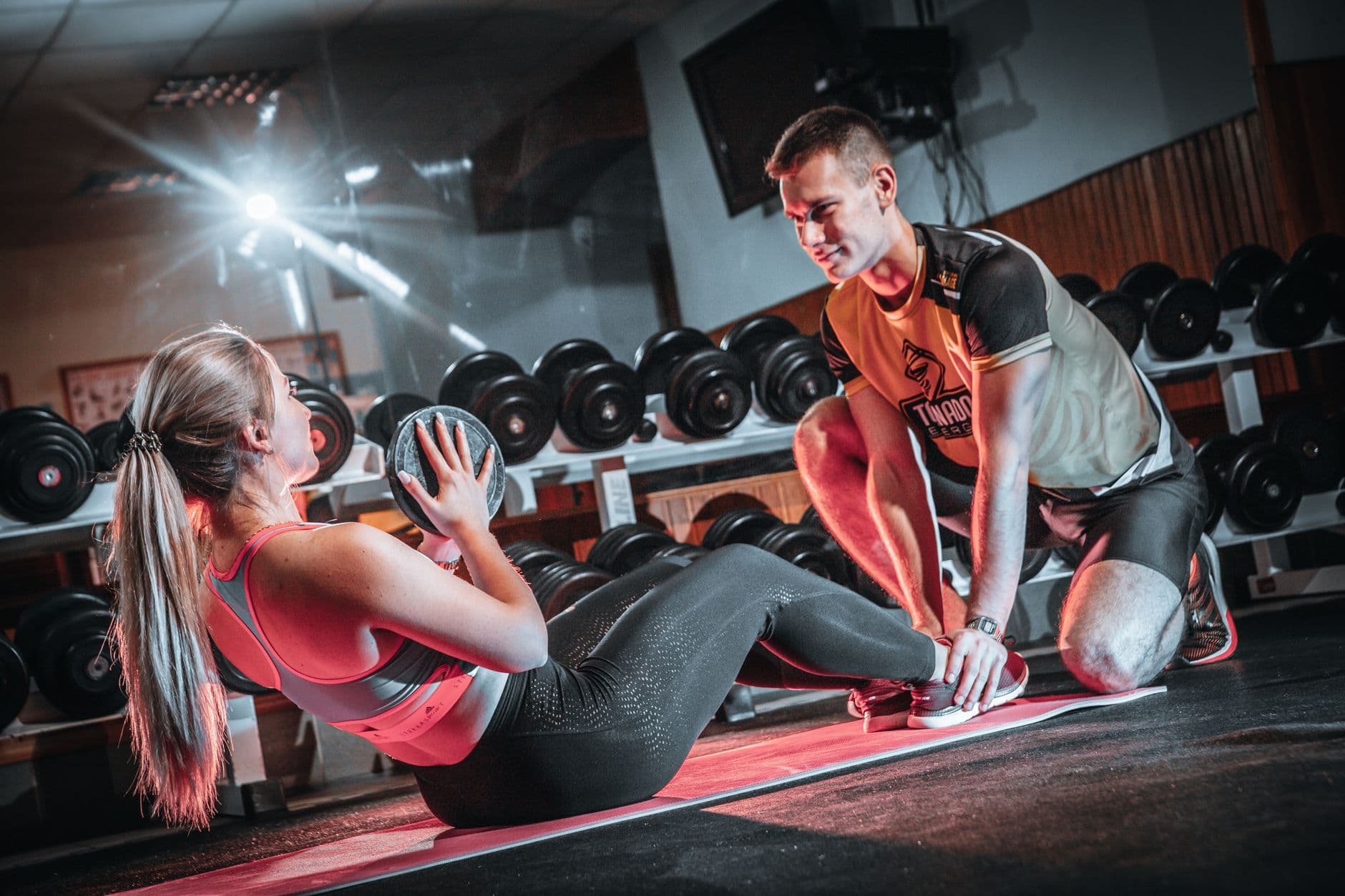
In a market where presentation can outrun transparency, a coach should be able to explain the venue, the setup, and the structure of the session before you pay for it. If the answer stays vague, you are still being sold branding, not coaching.
Red flags are usually easy to spot once you know what to listen for:
- Credentials are named vaguely or not at all
- Specialization is described as “everything”
- English is good enough for marketing but not for coaching cues
- Pricing is unclear, inconsistent, or tied to surprises later
- The social feed is polished, but the trainer cannot explain the training plan
Read the market like a buyer, not a follower
A 2024 Spanish survey trends paper tracks the fitness sector closely. The coaches who stand out are the ones who can pair recognized training, a real specialty, and a language fit with a pricing structure they can explain in one conversation.
This article was produced by Prism’s automated news system from verified source data, official records, and press releases, then run through automated quality and moderation checks before publishing. The system is built and supervised by the people who set the standards it runs under. Read our full AI policy.
Did this article answer your question?