Barcelona positions wellness travel as the new fitness experience
Barcelona is packaging spas, yoga, and seaside movement as active recovery, tapping a $990.4 billion wellness market and a tourism economy that grew 10.5% in 2024.
Barcelona’s newest fitness pitch is not about pushing harder. It is about recovering better, with spa sessions, yoga, coastal walks, and ritualized downtime folded into the same trip. That shift turns the city into a place for post-race repair, rest-day mobility, stress reset, and weekend recharge, not just another stop for sightseeing.
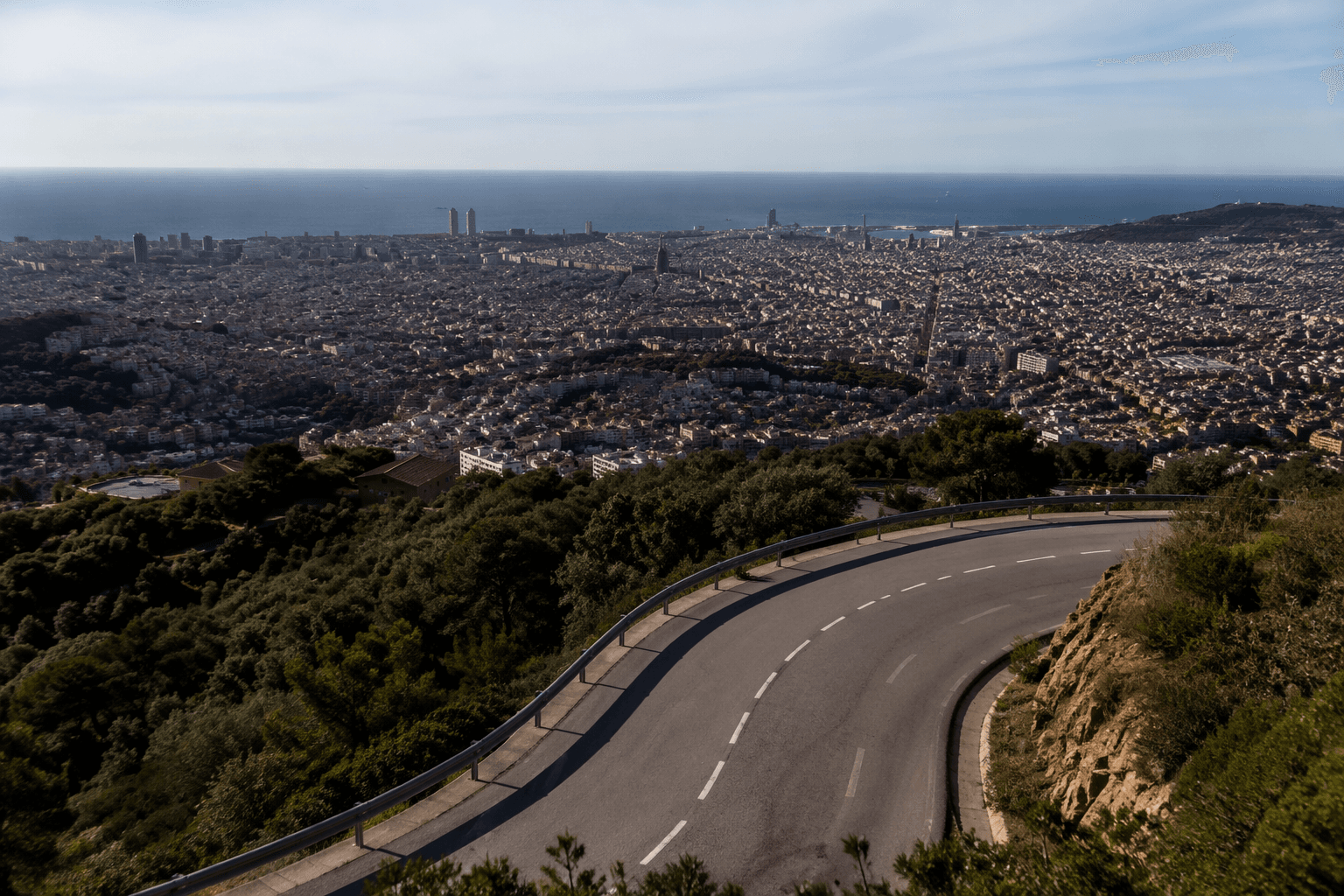
The appeal is easy to see in the numbers and in the geography. The Observatory of Tourism in Barcelona says direct spending from tourist activity grew 10.5% year-on-year in 2024 across Destination Barcelona, while tourism activity also expanded in employment and businesses. Add the city’s beaches, its walkable center, and a hospitality scene already lined with spa and yoga hotels, and Barcelona starts to look like a natural fit for travelers who want movement without another hard training block.
Why Barcelona fits active recovery
The Global Wellness Institute defines wellness tourism as travel tied to maintaining or improving personal wellbeing, and it frames wellness as broader than exercise and dieting alone. Stress management, enrichment, inspiration, and transformation all sit inside that definition, which is exactly why Barcelona can credibly sell a recovery-oriented stay that mixes movement with rest. Grand View Research estimates the global wellness tourism market at $990.4 billion in 2025, which puts this market far beyond a niche for spa regulars.
Barcelona is also competing in a large, proven tourism economy. A Barcelona tourism study cited in industry materials places the city at 17 million tourist arrivals in 2019, with 86% of visitors coming from abroad. That scale matters because wellness is no longer just an add-on to city breaks, it is a differentiator in a market where travelers are choosing between beaches, culture, food, and increasingly, the quality of the reset they get while they are there.
The city’s own planning context supports that direction. The Ajuntament de Barcelona’s October 2022 acceptable change limit report signals that local authorities are thinking about carrying capacity and tourism pressure, not only volume. For wellness operators, that creates room for offers built around slower pacing, lower impact movement, and longer dwell time rather than high-turnover, high-intensity experiences.
Post-race recovery by the sea
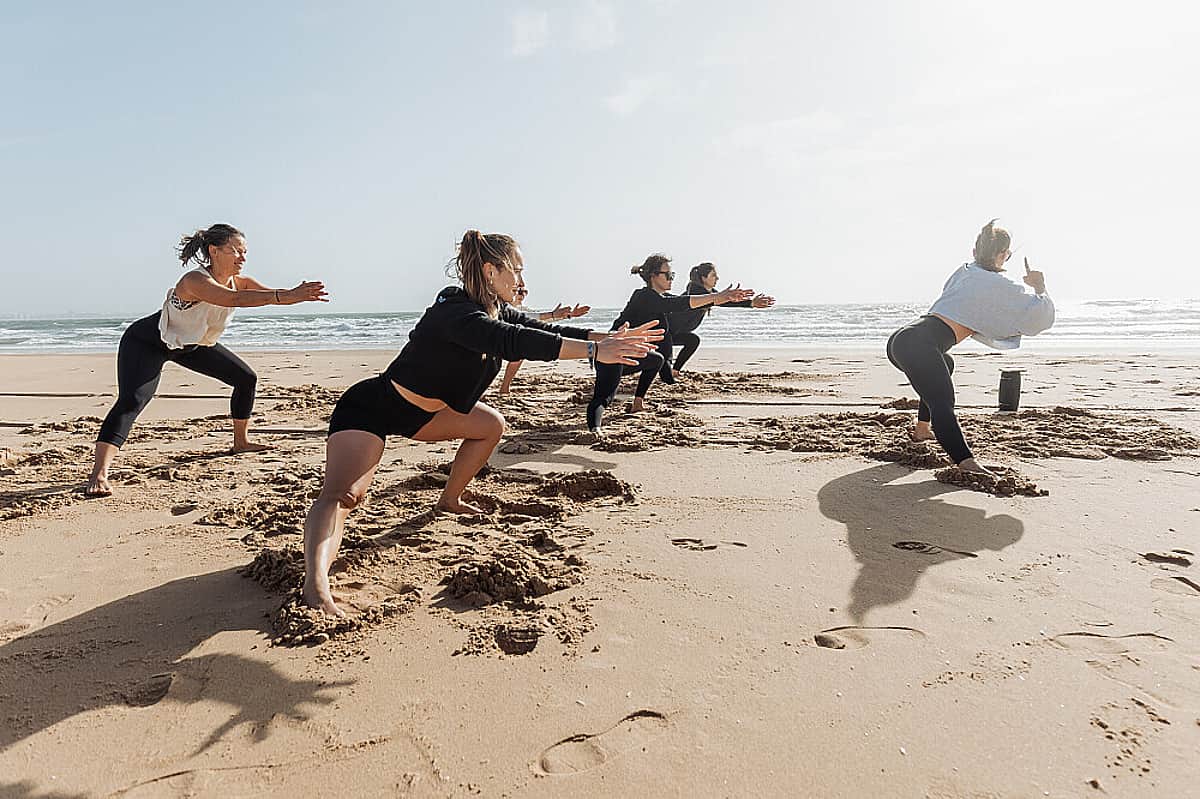
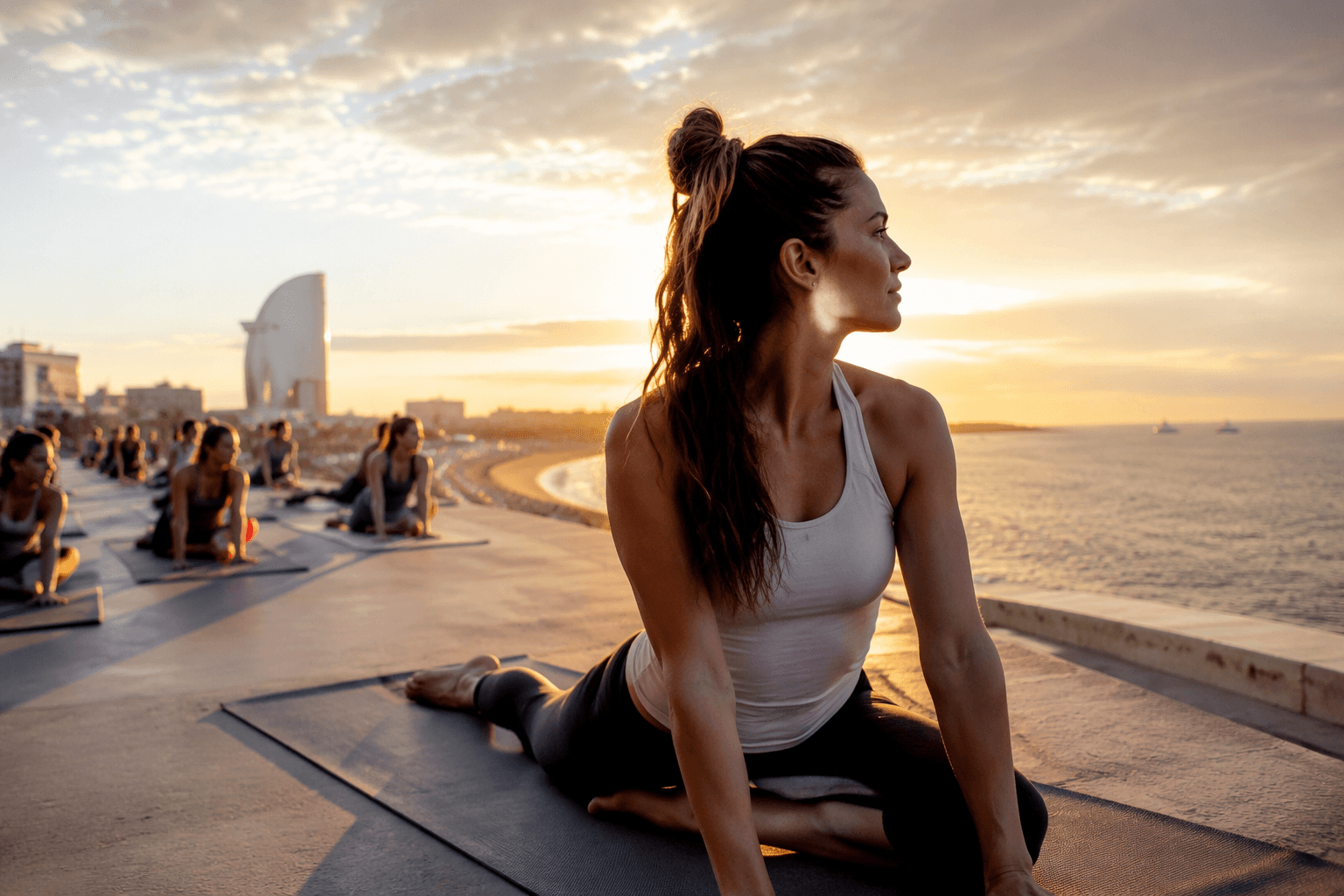
Barcelona works especially well after a race or a heavy training cycle because the recovery options are spread across the city’s coastline and hotel district, not locked inside a single spa day. Beach walking gives runners and cyclists a way to keep blood moving without another session on the clock, and the city’s seaside setting makes that easy to layer into a 48-hour recovery trip. For athletes who need to stay loose without loading the legs, that matters as much as any treatment menu.
One recognizable anchor is AIRE Ancient Baths in Barcelona, highlighted in a Forbes wellness roundup on August 20, 2024. The appeal of a place like that is not just the thermal circuit itself but the structure it gives recovery: heat, water, stillness, and a strong cue to slow down. In a city with both urban pace and shoreline access, that kind of ritualized downtime reads less like indulgence and more like part of the training calendar.
Barcelona’s spa hotel inventory reinforces the point. Listings already exist for properties including Hotel Arts Barcelona, Majestic Hotel & Spa Barcelona, Kimpton Vividora Hotel, and ME Barcelona, showing that recovery is being built into the accommodation layer as well as the treatment layer. That means an athlete can pair sleep, mobility, and spa use in one base rather than commuting across the city to piece the weekend together.
Rest-day mobility that still feels like movement
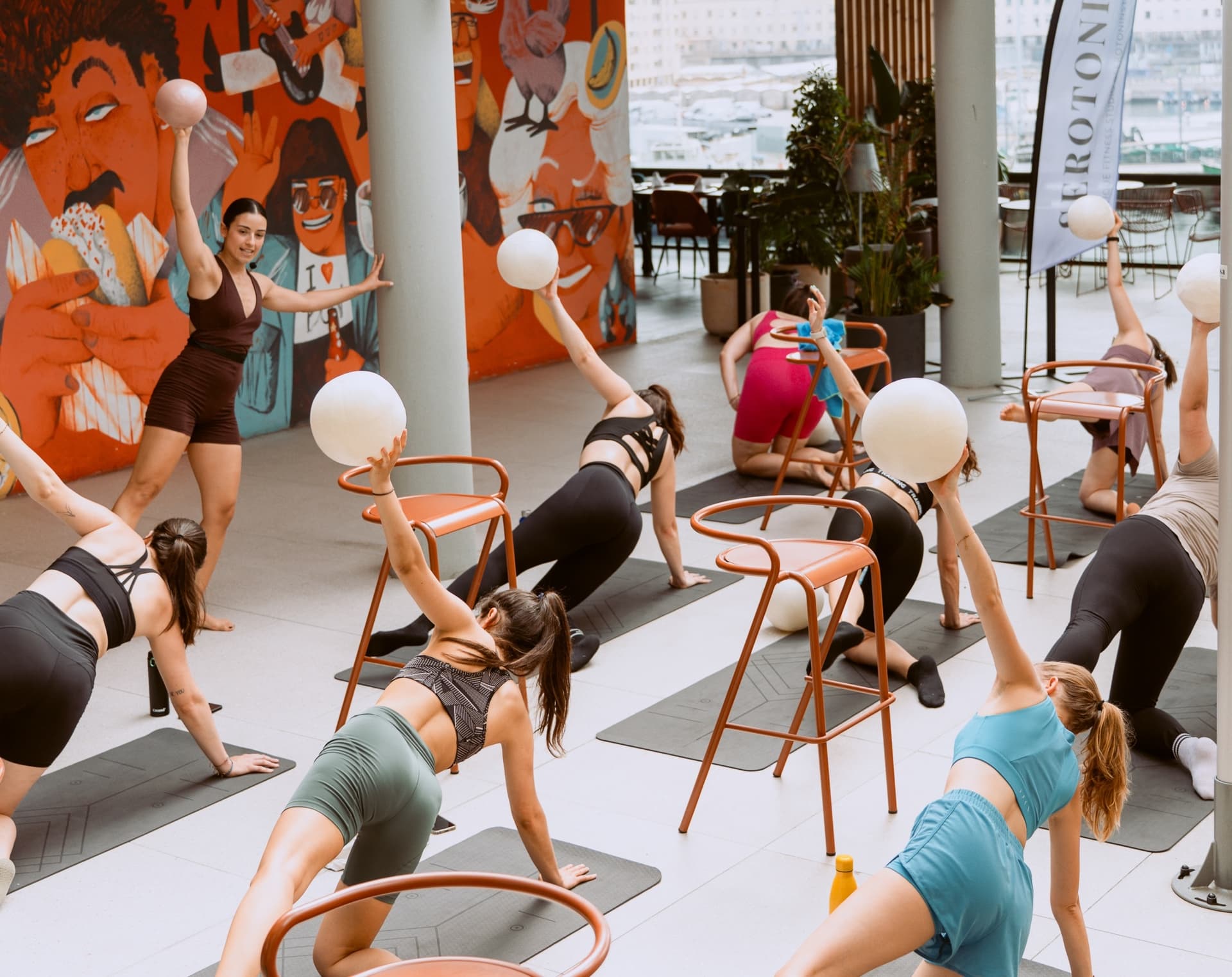
The strongest Barcelona itineraries for fitness-minded travelers do not treat the rest day as a dead day. They use yoga sessions, light walking, and low-intensity movement to keep the body responsive while protecting the next training block. That is where Barcelona’s walkability and compact neighborhoods become a real asset, because gentle movement feels natural when the city itself invites it.
This is also where the city’s wellness pitch departs from a standard gym-and-massage package. The guide style that is emerging here combines relaxation, spas, yoga, rituals, and physical activity in a single flow, so a traveler can shift from mat work to seaside wandering without needing a separate plan for every hour. In practical terms, that makes Barcelona a strong choice for people managing soreness, tapering before an event, or trying to keep an injury from turning into a full break.
The recovery radius does not stop at the city edge. The Barcelona coastline, the beaches, and the wider stretch toward Maresme in Catalonia all support a softer movement day, whether that means an unhurried walk, mobility work outdoors, or simply changing scenery without adding intensity. For travelers who want the body to move while the nervous system settles, that combination is the point.
Stress reset through ritual, not just exercise
The broader wellness frame is what makes Barcelona especially interesting right now. Since the Global Wellness Institute defines wellness as more than physical conditioning, the city can market experiences that are as much about stress management and mental refresh as they are about movement. That opens the door to rituals that make a trip feel restorative from the first morning instead of waiting for a final spa treatment to deliver the payoff.
Barcelona’s cultural density helps here too. A slow walk, a long lunch, a spa circuit, and an evening yoga session can all live in the same day without feeling stitched together artificially. For travelers arriving burned out from work or from a racing schedule, that matters because the destination itself becomes part of the recovery method, not merely the backdrop to it.
The city’s tourism data gives that model a practical edge. If direct spending is rising and tourism businesses are expanding, wellness operators have room to position low-intensity movement as a premium travel experience rather than a stripped-down alternative. Hotels, spas, and studios can work together around a guest who wants to leave feeling better than they arrived, which is exactly the kind of demand the wellness market rewards.
A weekend recharge built like a training block, only softer
Barcelona’s most useful wellness format is a four-day arc that maps cleanly onto fitness needs. Day one is for arrival and decompression, with no pressure beyond settling in and getting to water or a bath. Day two is for mobility and yoga, using the city’s studios, hotel spaces, or quiet outdoor movement to reintroduce motion without strain.
Day three is the deeper recovery day, when AIRE Ancient Baths or a spa hotel like Hotel Arts Barcelona or Majestic Hotel & Spa Barcelona can anchor the schedule. That is the day for longer pauses, warmer water, and a slower pace that keeps the body in recovery mode. Day four is for a final walk, a last stretch session, and a calm departure that does not erase the benefits of the weekend by cramming in one more hard outing.
That structure is why Barcelona now reads as a wellness travel city with fitness consequences. It gives athletes, regular gym-goers, and burned-out professionals a way to protect training, reduce friction, and still feel like they have gone somewhere worth the trip, which is exactly where the next phase of fitness travel is headed.
This article was produced by Prism’s automated news system from verified source data, official records, and press releases, then run through automated quality and moderation checks before publishing. The system is built and supervised by the people who set the standards it runs under. Read our full AI policy.
Did this article answer your question?