Barcelona promotes science-based, personalized exercise in public health push
Barcelona is turning exercise into a measured service: MIRÓLAB pairs VO2max, body-composition and metabolism checks with tailored coaching, but scaling it is the real test.
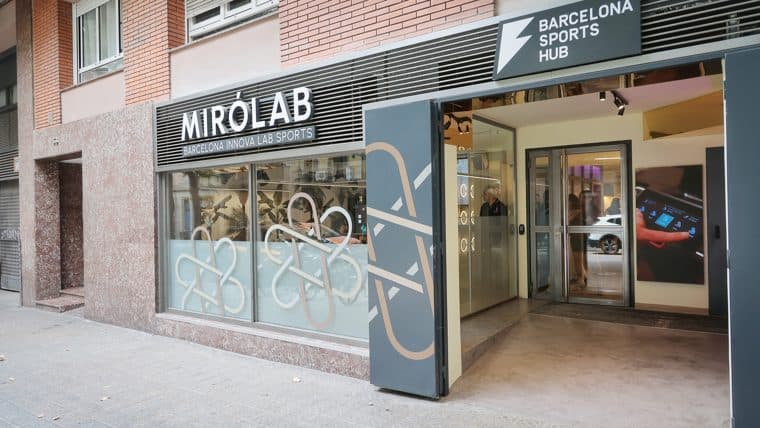
Barcelona’s sports scene is moving away from generic workout advice and toward precision fitness, with MIRÓLAB positioned as a public-facing example of that shift. Barcelona City Council frames the project as a science-based, personalised approach to physical activity, while INDESCAT says it brings methods from high-performance sport closer to the general public.
A municipal lab, not just a branded wellness concept
MIRÓLAB sits inside Barcelona’s public sports ecosystem, which gives the project a different weight from a private studio promising bespoke results. The CEM Joan Miró describes it as the “nou laboratori de salut funcional i longevitat del CEM Joan Miró,” and the company page on LinkedIn places it at Carrer Entença 63 in Barcelona.
That location matters because it ties the lab to the city’s wider sports infrastructure rather than separating it from it. The lab’s own contact details, phone 934 234 350 and email hola@mirolab.cat, make it easy to read as a direct-service facility, one that expects people to move from interest to assessment and then to a plan.
What the science-based model actually measures
The service list tells you what kind of fitness culture MIRÓLAB is trying to build. Its website names SCAN 360, FatMax, VO2max, Metabolic Flex, Drakarian, My coach, nutrition and Lab Member, a mix that points to testing, interpretation and ongoing adjustment rather than a one-off class card.
- SCAN 360
- FatMax
- VO2max
- Metabolic Flex
- Drakarian
- My coach
- nutrition
- Lab Member
INDESCAT says the lab uses advanced technologies to assess body composition, cardiorespiratory fitness, metabolism and other indicators. In practical terms, that is a different starting point from the old gym prescription of “do more cardio” or “take a class and see how it goes.” The model assumes that exercise works better when the body is measured first, then matched to a plan.
That approach also fits the larger trend in Barcelona fitness toward adherence and injury prevention. If the starting point is body composition, cardiorespiratory capacity or metabolic response, the workout can be adapted for age, fitness level, recovery status or health constraints before anyone is pushed into a generic routine.
Who benefits most from the approach
The strongest fit is obvious for people who already think in performance terms. VO2max and FatMax testing speak to users who want numbers, thresholds and progress markers, while My coach and nutrition suggest a follow-up structure that can turn lab data into day-to-day training and fueling choices.
The same model has a second, quieter value for older adults or anyone entering exercise with caution. Barcelona’s own framing puts activity in a public-health context, not just a performance one, so the promise is not only better workouts but safer ones, with activity adjusted instead of standardized. That is where the lab’s “functional health and longevity” positioning becomes more than marketing language.
This is also why MIRÓLAB reads differently from the average boutique offering. A generic studio can sell motivation; this model sells assessment, feedback and adaptation. For people who have drifted between programs, struggled to keep up, or wanted proof that a plan was built for their body, the appeal is obvious.
Why Barcelona is putting sport and science in the same room
Barcelona is not treating this as a niche fitness experiment. Barcelona City Council and INDESCAT signed a memorandum of understanding at Mobile World Congress 2023 to set up the Barcelona Sports Hub, and the hub describes sport as a key area for innovation and one of Barcelona’s emerging economic sectors.
That wider policy frame helps explain why a science-led lab can be presented as both a public-health tool and an innovation asset. Barcelona’s 2022 Survey of Sports Habits also gave the city a useful tailwind, finding that the pursuit of sport in Barcelona beat the European average by 17.4 points. In a city with that kind of participation base, the next battle is not simply getting people to move. It is deciding what counts as quality movement.
The real test is scale
MIRÓLAB’s appeal comes from the precision of the model, but precision is also what makes it hard to scale. Assessments such as body-composition analysis, cardiorespiratory testing and metabolic measurement require equipment, staff time and interpretation, which pushes the concept beyond a standard membership model and closer to a premium service.
That tension is the story’s sharpest takeaway. Barcelona is clearly building a case for exercise as something that should be safe, purposeful and evidence-based, not generic and interchangeable. MIRÓLAB shows how that can work inside a municipal sports setting, and it also shows the limit of the idea: the more personalized the fitness plan becomes, the more infrastructure it needs to reach ordinary residents at scale.
This article was produced by Prism’s automated news system from verified source data, official records, and press releases, then run through automated quality and moderation checks before publishing. The system is built and supervised by the people who set the standards it runs under. Read our full AI policy.
Did this article answer your question?