Barcelona rooftop week turns wellness into a citywide summer draw
Barcelona’s rooftop season is now a wellness circuit, with 58 hotels, 120-plus free events and a clear push to welcome residents as well as visitors.
Barcelona’s rooftops are being recast as summer wellness venues
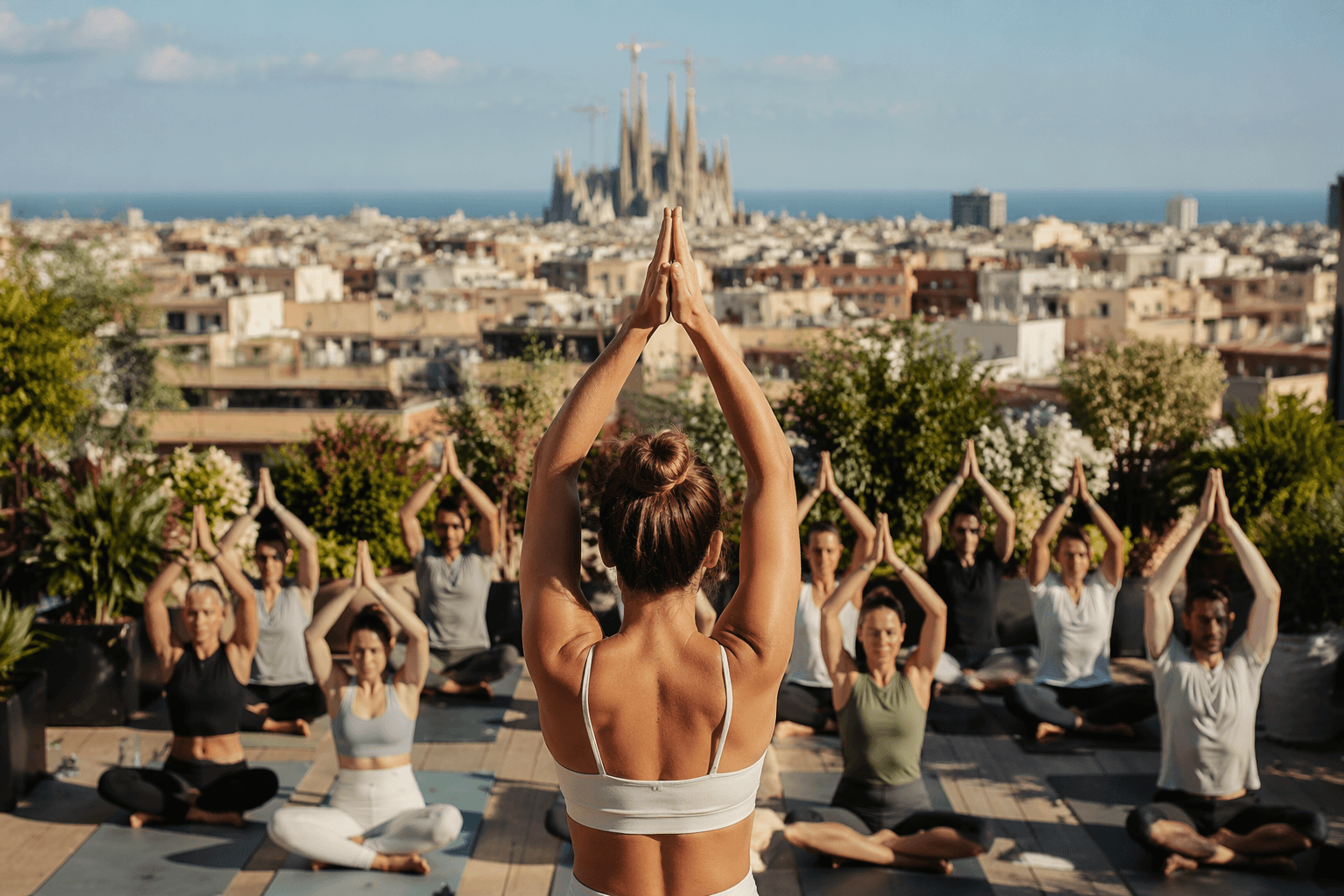
Barcelona’s Hotel Rooftop Week has moved well beyond a novelty calendar item. In its 15th edition, the citywide program turns 58 hotel rooftops into open-air stages for more than 120 free activities, from sunrise yoga to DJ workshops, beer tastings and rumba concerts. The message is clear: in Barcelona, wellness is no longer just about exercise, it is part of how the city sells itself as a place to move, linger and experience summer.
Running from May 29 to June 7, the event sits at the intersection of tourism, hospitality and fitness. It is organized by the Barcelona Hotels Guild with the collaboration of Barcelona City Council and sponsored by the winery El Perro Verde, which underlines how officially backed the week has become. What began as a hospitality activation now functions like a citywide lifestyle campaign, linking movement, leisure and culture in one highly visible package.
How Rooftop Week is structured
The scale is what makes the event notable. Fifty-eight hotels are participating in 2026, and the program includes more than 120 free activities open to residents. That combination gives the week a broad footprint across the city while keeping the barrier to entry low, which matters in a market where premium experiences often sit behind steep price tags.
The format is also flexible enough to serve different audiences. Some rooftops are being used for yoga classes and wellness sessions, while others lean into music, tastings, workshops and family activities. That variety gives the event a wider appeal than a standard fitness series and helps explain why it is now embedded in Barcelona’s June agenda rather than treated as a one-off promotion.
Wellness as part of the tourist itinerary
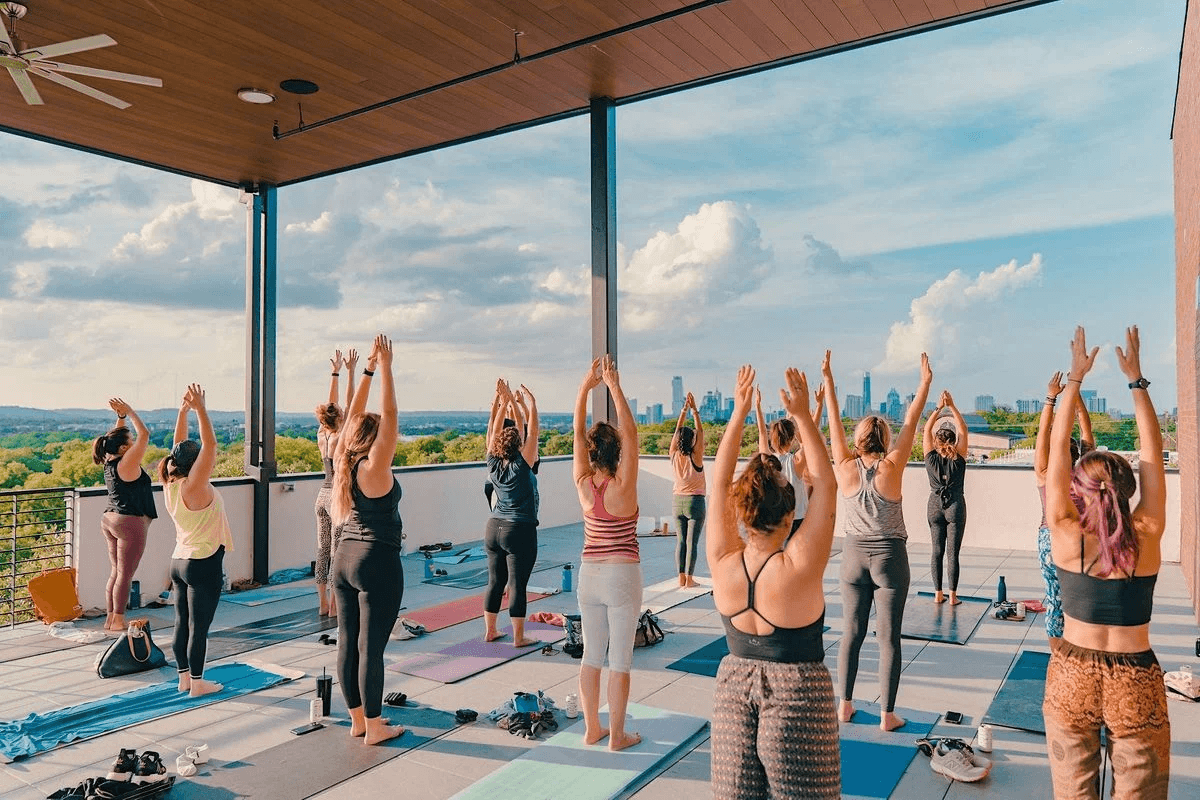
The most revealing detail is not just that rooftop yoga is on the schedule, but that it is presented alongside entertainment and gastronomy. Sunrise yoga appears in the same promotional universe as beer tastings, DJ workshops and rumba concerts, which shows how Barcelona’s wellness offer is being curated as an experience rather than isolated as a class.
That blend matters for visitors. Instead of booking a workout and then planning the rest of the day separately, the city is packaging movement as one element in a broader summer circuit that also includes views, social interaction and local flavor. For hospitality brands, that creates a strong format: rooftop programming can pull in hotel guests, day visitors and local residents with one calendar slot.
Why locals are now part of the pitch
Barcelona tourism materials say the event’s purpose is to bring hotel spaces closer to local residents and to break the perception that hotels are only for tourists. That goal changes the meaning of the rooftops. They are no longer just amenities for overnight guests, but public-facing spaces that can act like meeting points for cultural, gastronomic and wellness programming.
The free entry model is important here. It lowers the immediate cost of participating and makes the week more accessible than many urban wellness offerings, which often rely on studio memberships or ticketed boutique formats. At the same time, the city is clearly using hotel rooftops as a premium setting for lifestyle branding, so the event also sharpens competition for attention in Barcelona’s summer fitness scene.
What it means for the fitness market
For operators, studios and hospitality brands, Rooftop Week is a seasonal signal. It gives the market a shared moment to package outdoor classes, rooftop activations and social training formats in a way that feels native to the city’s tourism identity. That is especially valuable in Barcelona, where demand is increasingly about the full experience: movement, views, culture and convenience in one place.
The wider implication is that wellness is becoming part of the city’s brand architecture. A rooftop yoga session is not just a class, it is a tourism product, a social outing and a hospitality asset all at once. That helps explain why these events keep expanding in reach, even when the programming remains free.
How June’s broader agenda reinforces the trend
Rooftop Week also fits into a larger June rhythm. Barcelona’s tourism pages frame the month around sports, family activities, leisure, art and culture, while also pointing visitors toward public transport for getting around. That matters because it positions wellness as part of a broader itinerary, not a standalone booking.
In practical terms, that makes the city easier to navigate as a lifestyle destination. A visitor can build a day around a morning rooftop session, move across the city by transit, and fold in other June events without leaving the city’s official summer frame. The result is a more connected urban experience, one that treats rooftops as nodes in a larger cultural map.
How the event has grown
The current edition is not only big, it is also part of a pattern of steady expansion. Barcelona tourism materials note that earlier editions featured over 60 establishments and more than 130 activities. This year’s 58 hotels and more than 120 activities show a mature event that still operates at city scale, even if the exact numbers shift from year to year.
That evolution is part of the story. Rooftop Week is no longer a niche hospitality experiment, but a recurring fixture that helps define how Barcelona presents itself in early summer. It also reflects a city where hotels are increasingly asked to do more than host overnight stays: they are being used as platforms for movement, culture and neighborhood-facing experiences.
Barcelona’s rooftop season now works because it solves several problems at once. It gives hotels a public role, gives residents free access to high-profile spaces and gives visitors a ready-made way to experience the city through wellness. In a summer market crowded with events, that combination is what turns a hotel terrace into a citywide draw.
This article was produced by Prism’s automated news system from verified source data, official records, and press releases, then run through automated quality and moderation checks before publishing. The system is built and supervised by the people who set the standards it runs under. Read our full AI policy.
Know something we missed? Have a correction or additional information?
Submit a Tip